News
Nutrition Experts in Chile Develop 3D Printed Food for Children From Algae
Nutrition experts from Chile have used 3D printing to develop food for children that not only looks good, but is also packed with valuable nutrients. The healthy food simply contains dehydrated Cochayuyo, an algae that is commonly eaten in Chile,…
- 3 min read
- News
- Six more stories
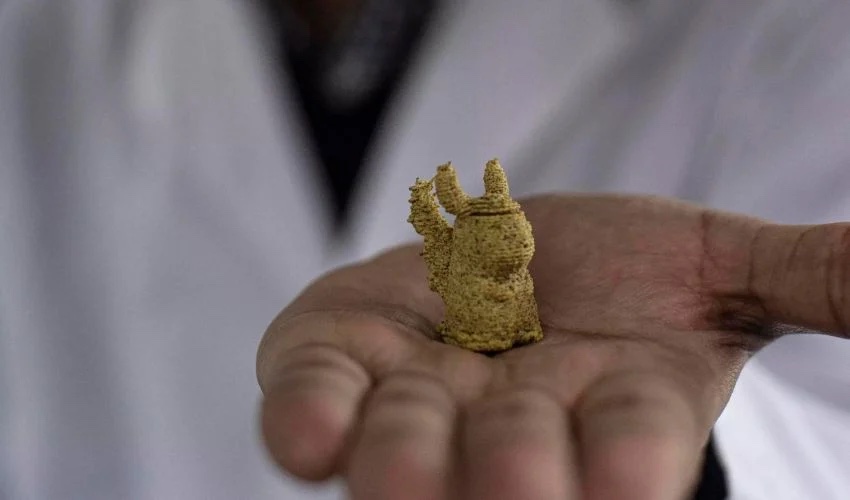
Nutrition experts from Chile have used 3D printing to develop food for children that not only looks good, but is also packed with valuable nutrients. The healthy food simply contains dehydrated Cochayuyo, an algae that is commonly eaten in Chile, some instant mashed potatoes, and hot water. With these 3D printed creations, the experts hope to revolutionize the food market in the future, especially in terms of children’s nutrition.
Why Cochayuyo?
Cochayuyo, often referred to in English as New Zealand bull kelp or its scientific name Durvillaea antarctica, is an edible algae, which has been an important food resource for the Chilean indigenous people for centuries. The seaweed belongs to the botanical family of Phaeophyta, also called brown algae, and is native to the cliffs of Chile. There it grows on rocks and especially in places with intense waves and depth. The algae are still collected there today under sometimes dangerous conditions and dried on the rocks.
The alga is said to have healing properties. For example, it is used against heartburn and constipation, but also has a cholesterol-lowering and weight-reducing effect. It is also rich in important nutrients such as omega-3 fatty acids, iodine, polyphenols, vitamins B and B1, and iron. In addition, having 11g of protein per 100g, it is an important source of vegetable protein. There are many possibilities for the consumption of the Cochayuyo seaweed and it is very easy to prepare. It only takes about 15 to 20 minutes to cook and dehydrate it. It can then be used in soups, salads, stews, as an ingredient in paellas, and much more.
More from the desk
Six other notes from the rest of the bench.
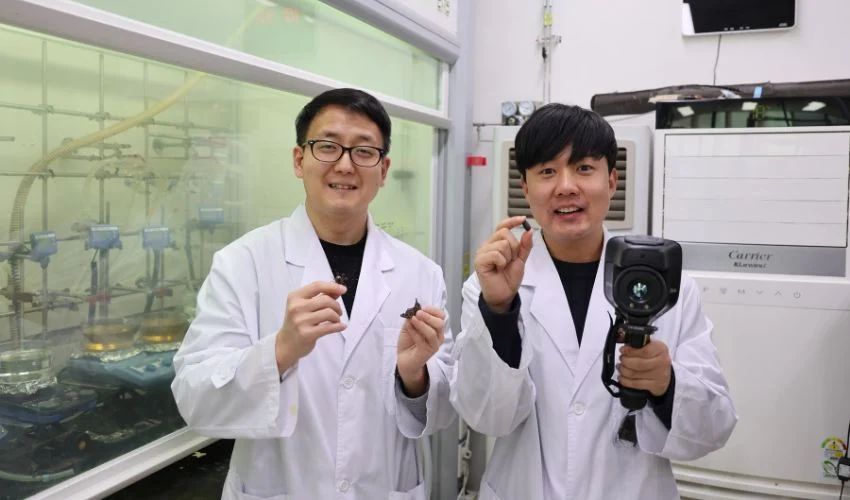 NewsA South Korean Team Is Turning Sulfur from Refineries into Self-Repairing Soft RobotsEvery year, the oil industry generates a surplus of sulfur that no one quite knows what to do with. Removing it from crude oil is required by environmental regulations, but its main industrial use (the production of sulfuric acid) is…
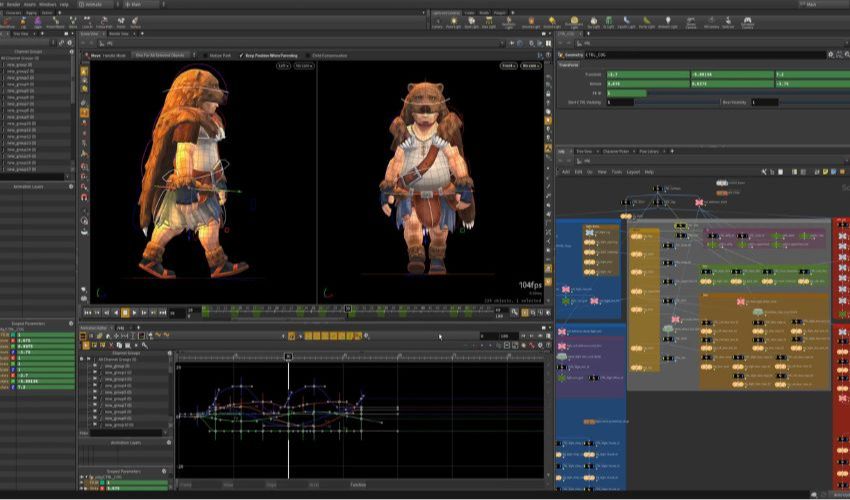 SoftwareHoudini for 3D Printing: The Best Techniques for Modeling and Error PreventionDeveloped by SideFX, a Toronto-based software company, Houdini is a powerful solution for 3D modeling, animation and special effects. The software is particularly well known for its procedural approach and is mainly used in the film and gaming industry, especially…
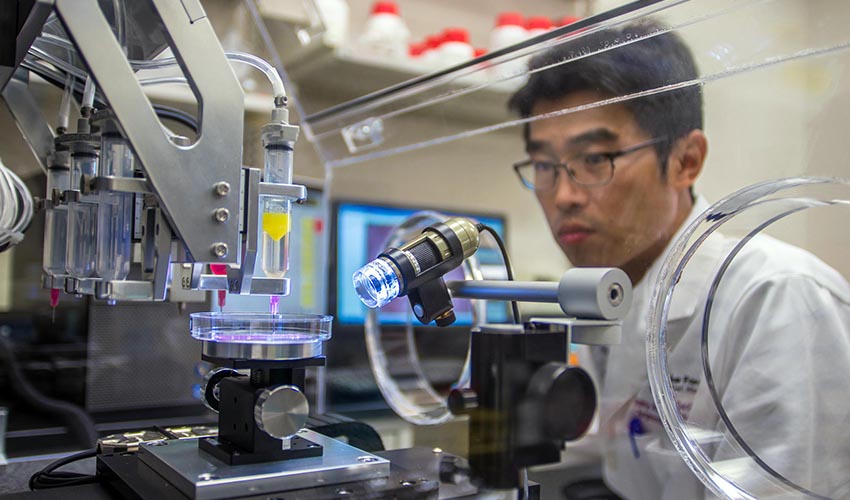 ApplicationsWake Forest researchers create lab model of the human bodyUsing bioprinting techniques, researchers at the Wake Forest Institute for Regenerative Medicine have developed a miniature lab model of the human body. This model contains miniaturized human organs such as the heart, lungs and liver, and will be used to…
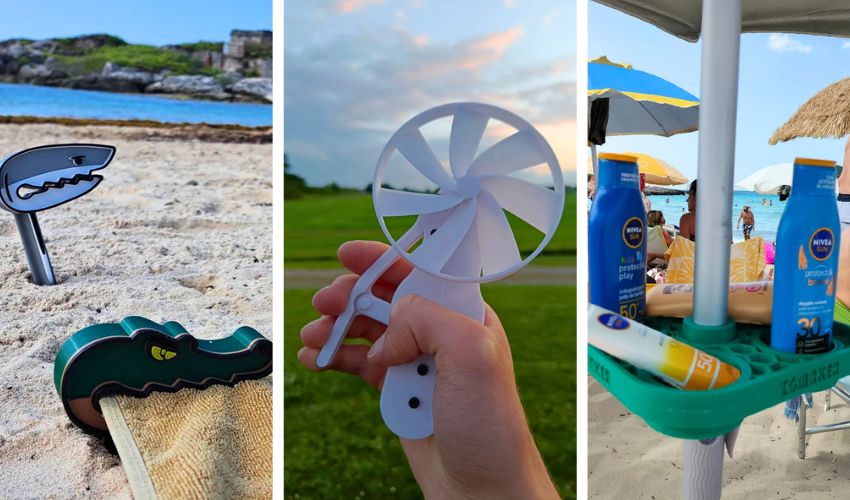 GuidesTop Gadgets to 3D Print For The SummerSummer officially arrived just a few days ago, bringing with it long evenings, beach trips, and time spent outdoors. Whether you’re spending a weekend by the water or just soaking up the sun in the backyard, a 3D printer can…
 GuidesPawsthesis: The Project 3D Printing Leg Prostheses for DogsAdditive manufacturing is becoming increasingly popular. This is evident in the widening array of areas in which it is used. In addition to dominant sectors such as the automotive industry or aerospace , 3D printing technologies are now increasingly being used in smaller…
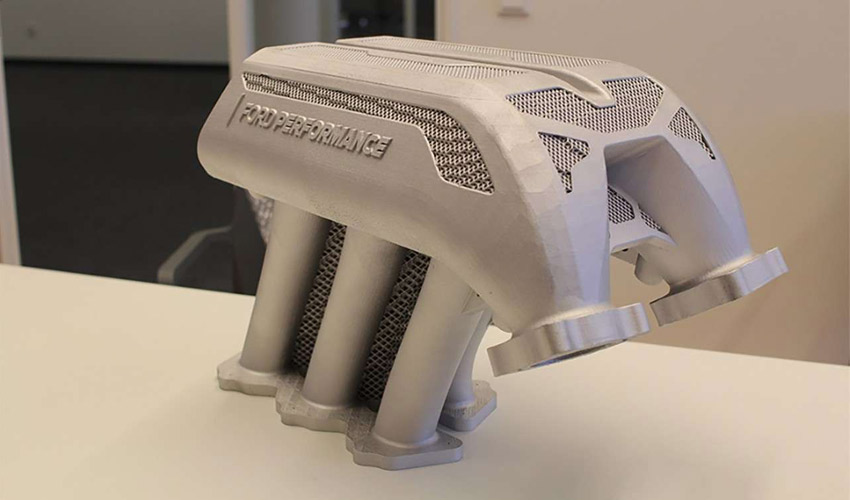 MaterialsFord produces the largest ever 3D printed metal automotive partLargest 3D Printed Metal Automotive Part in History Ford Performance, the high-performance division of Ford Motor Company, 3D printed what they claim to be the largest metal automotive part for a working vehicle in automotive history. The metal part was…