Applications
Wake Forest researchers create lab model of the human body
Using bioprinting techniques, researchers at the Wake Forest Institute for Regenerative Medicine have developed a miniature lab model of the human body. This model contains miniaturized human organs such as the heart, lungs and liver, and will be used to…
- 3 min read
- Applications
- Six more stories
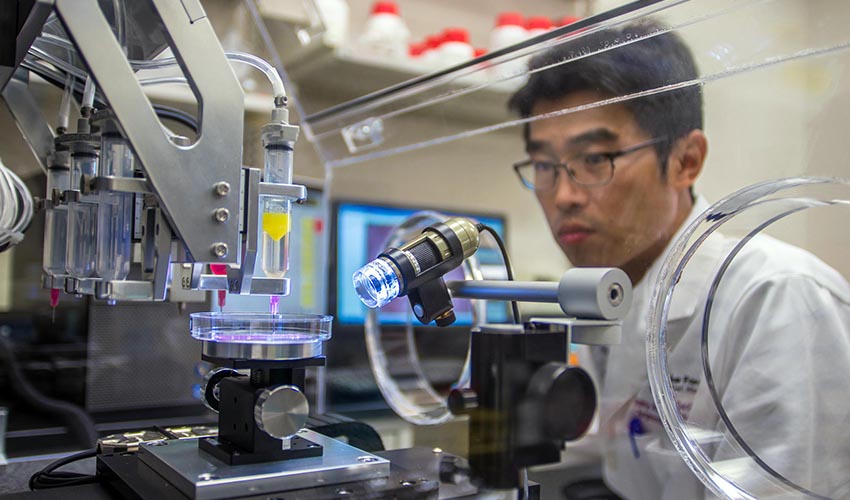
Using bioprinting techniques, researchers at the Wake Forest Institute for Regenerative Medicine have developed a miniature lab model of the human body. This model contains miniaturized human organs such as the heart, lungs and liver, and will be used to detect the adverse effects of drugs before they are prescribed to patients. Additionally, screening potential pharmaceuticals in this way could bring new drugs to market sooner, lower the costs of clinical testing and reduce animal testing.
In the paper published by the journal of Biofabrication, the researchers detail how the miniature organs were created and how the human organ tissue system works. Because of the specified individual requirements of each type of tissue, many biofabrication techniques were employed to create each organ. Tiny samples of human tissue cells were isolated and engineered into miniature versions of the human organs – meaning they can perform the same functions as they do in the human body but at a much smaller scale. Each of miniature organs are essentially tiny 3D tissue-like structures, about one millionth in size of an adult human organ.
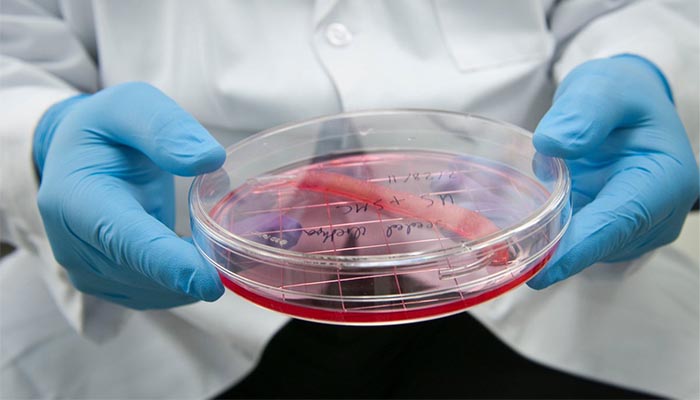
Image via Wake Forest Institute of Regenerative Medicine
In healthcare, 3D printing has been adopted by hospitals and clinics to make precise surgical models that mimic the anatomy of patients. These custom-made anatomical models can prepare surgeons for surgery in a way that was impossible before. Although different, the idea here is also to study the human body and how it will react to a drug. Anthony Atala, Professor at WFIRM commented: “The most important capability of the human organ tissue system is the ability to determine whether or not a drug is toxic to humans very early in development, and its potential use in personalized medicine. Weeding out problematic drugs early in the development or therapy process can literally save billions of dollars and potentially save lives.”
More from the desk
Six other notes from the rest of the bench.
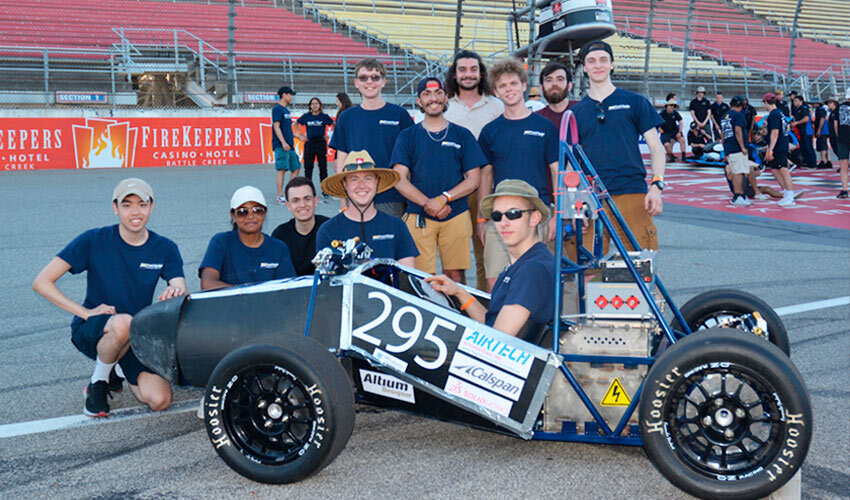 ApplicationsDrexel Electric Racing Relies on SolidCAM to Create End-Use Parts for Race CarsTraining in additive manufacturing is essential in order to ensure that those working in a wide variety of fields are at the forefront of current technological advances. For this reason, many companies in the market have educational offerings for all…
 NewsVallourec and Total Made the First 3D-Printed Safety Critical Component in the Oil & Gas IndustryA few months ago, after a year of collaboration, Vallourec and Total announced that they had successfully installed the first ever 3D printed waterbushing in the North Sea. For those who might not know, waterbushings are safety-critical components in the…
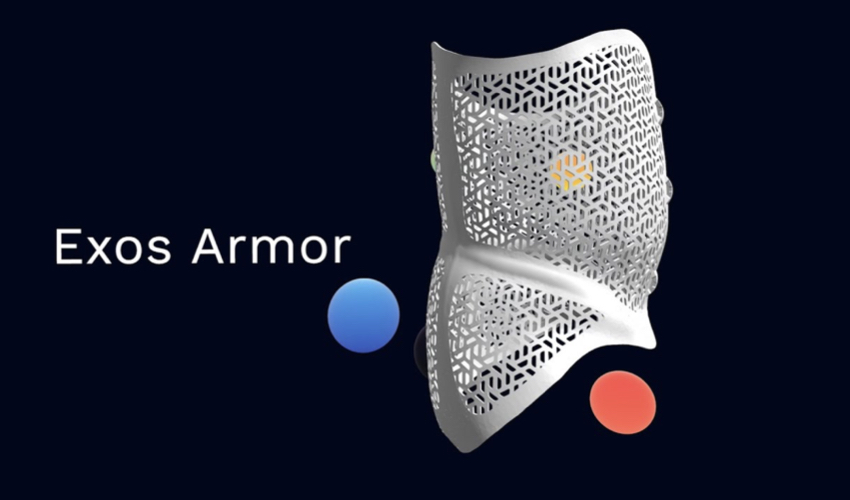 NewsExos Armor: The Entirely 3D Printed Back BraceAt CES 2021 Exos unveiled their 3D printed back brace, entitled Armor, intended to better posture and treat scoliosis. The Exos Armor is fully eco-sustainable and entirely 3D printed from eco-friendly materials making it both light and strong at the…
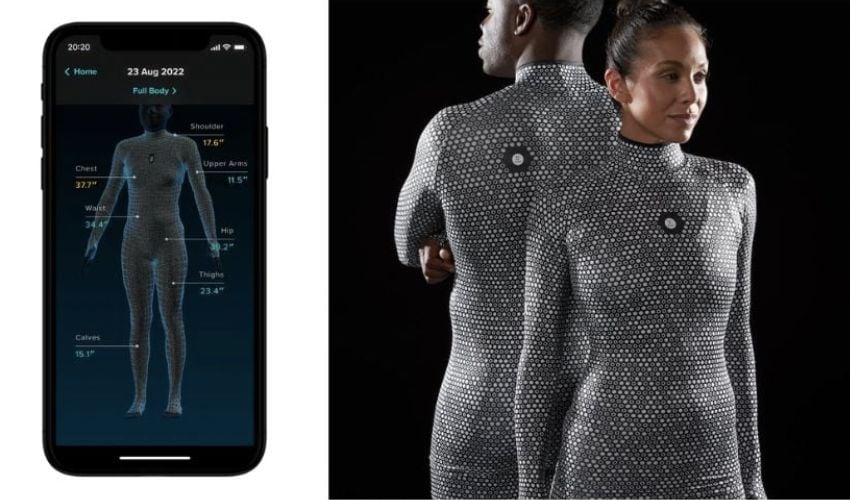 PrintersZOZOSUIT, the Suit with an Integrated 3D Body Scanner For Weight TrackingZOZOFIT is a fitness technology brand and Japan’s largest fashion e-commerce company, recognized worldwide for its use of new technologies in its products. Its latest innovation is the world’s first affordable 3D body scanning technology, the suit they have named&hell
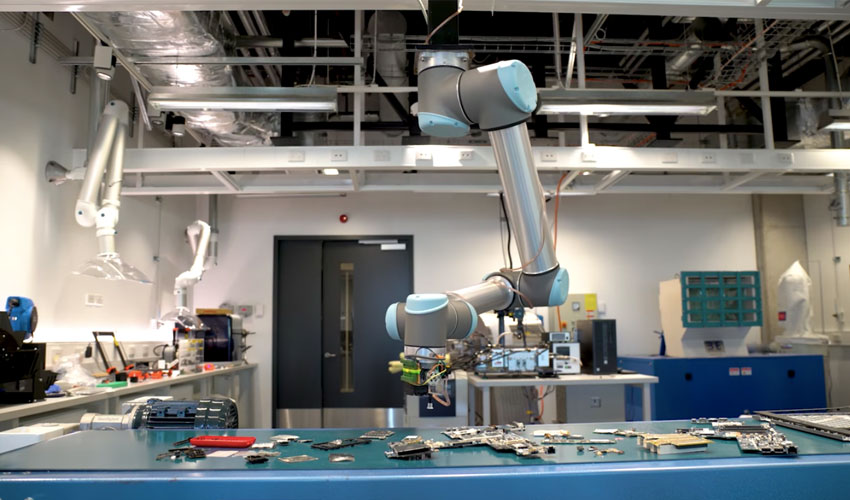 NewsAustralian micro-factory is set to turn electronic waste into a 3D printing filamentThe Center for Sustainable Materials Research and Technology (SMaRT Center) at the University of New South Wales (UNSW) in Australia has announced the opening of a micro-factory that will be dedicated to the recycling of electronic waste. This factory will…
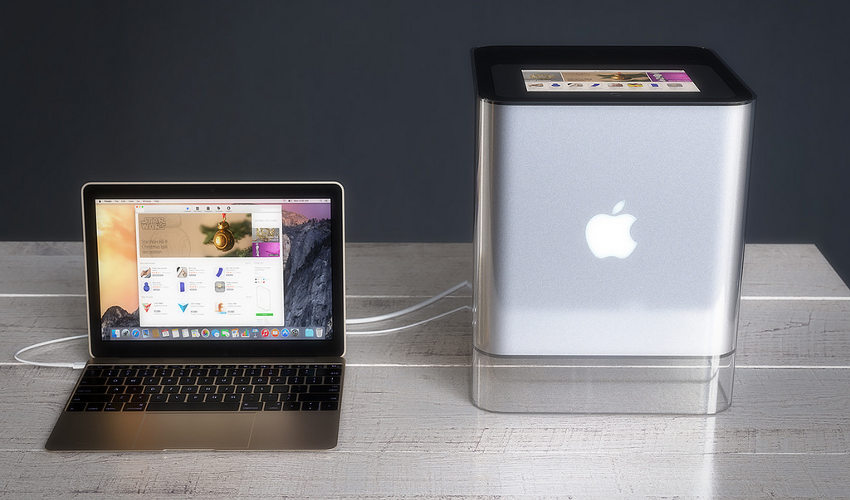 PrintersApple Granted Full-Color 3D Printer PatentApple were recently granted 44 new US patents. One of these included a patent for a “method and apparatus for three-dimensional printing of colored objects”, AKA a full-color Apple 3D printer. This follows Apple being granted a patent back in 2015…