News
A South Korean Team Is Turning Sulfur from Refineries into Self-Repairing Soft Robots
Every year, the oil industry generates a surplus of sulfur that no one quite knows what to do with. Removing it from crude oil is required by environmental regulations, but its main industrial use (the production of sulfuric acid) is…
- 3 min read
- News
- Six more stories
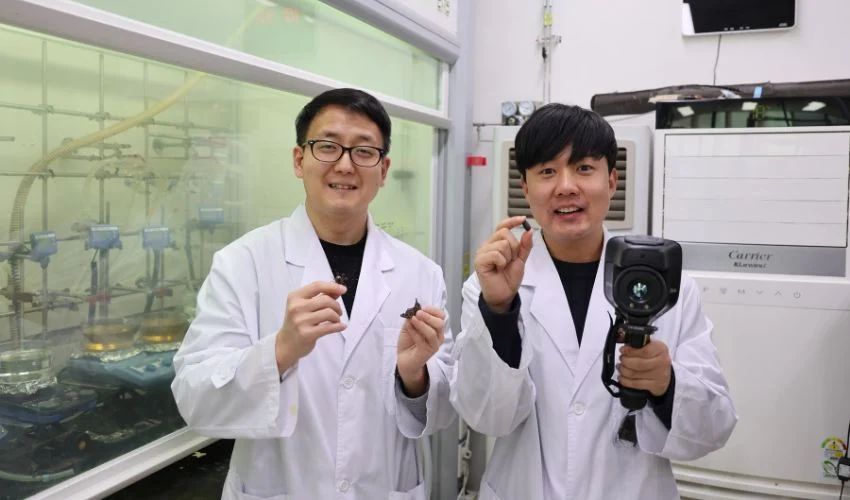
Every year, the oil industry generates a surplus of sulfur that no one quite knows what to do with. Removing it from crude oil is required by environmental regulations, but its main industrial use (the production of sulfuric acid) is already at capacity. In 2024 alone, global production reached 85 million metric tons, according to the U.S. Geological Survey. A team from KRICT, Hanyang University, and Sejong University in South Korea has found a solution: converting it into a polymer suitable for 4D printing to manufacture soft robots capable of moving, grasping objects, and repairing themselves.
The material, called PSN, is a poly(phenylene polysulfide) network that until now had posed an obstacle to 3D printing. Its internal structure was too tightly intertwined to flow properly through an extruder. The team managed to stretch that network enough to print complex geometries without losing the material’s properties.
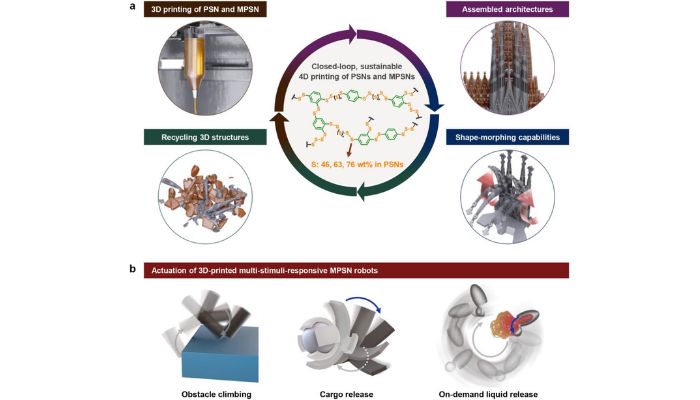
Diagram of the circular 4D printing cycle using PSN and its magnetic version, MPSN. A) The process of printing, shaping, recovering, and recycling the material. B) Soft robots in 1D, 2D, and 3D that move in response to heat, light, or magnets. (Credits: J. H. Hwang, S. Won, J. M. Lee, et al.)
The result is a shape-memory structure that reacts to heat or light, without the need for motors, wiring, or an external power source. By incorporating 20% iron powder, they have created a magnetic version with which they have built robots less than one centimeter in size that respond to an external magnetic field. The robots climb over obstacles, drop a payload at a specific point, or release a catalyst to trigger a chemical reaction when needed.
More from the desk
Six other notes from the rest of the bench.
 NewsTop 5 Videos: NASCAR and 3D Printing at the 24 Hours of Le MansFor this week’s top 5 videos, we’re taking you to one of the world’s most famous automotive events, the 24 Hours of Le Mans. We had the opportunity to interview Hendrick Motorsports to learn about their use of 3D printing…
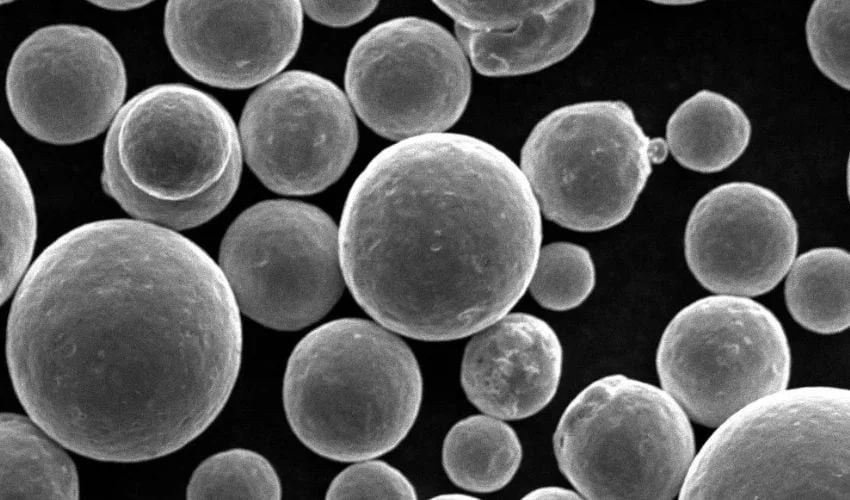 NewsA Metal Alloy That’s Easier to 3D Print Thanks to AIWashington State University researchers used artificial intelligence to 3D print a metal alloy more affordably and efficiently. The project shows how AI is beginning to change additive manufacturing workflows as the technology advances rapidly. The alloy was GRCop-42, a material&
 NewsOsaka University Researchers Discover Ultrasonic Quality Control MethodAs additive manufacturing companies embrace the design freedom of 3D printing products and parts, they also have to overcome the obstacle of maintaining quality control. Researchers from Osaka University in Japan have uncovered a solution that will help companies achieve…
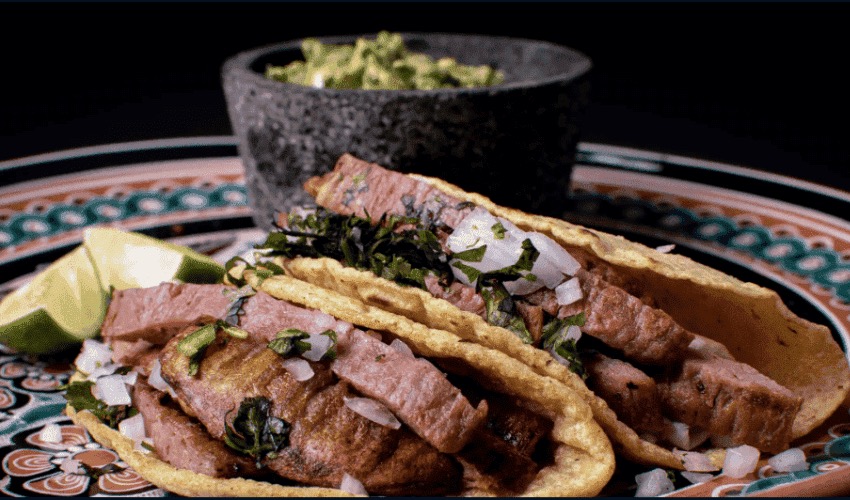 NewsForma Foods Uses 3D Printing to Create Plant-Based Alternatives to MeatWe’ve already touched on the concept of 3D-printed meat through various pioneering companies in the sector, such as Redefine Meat and Steakholder Foods. Today, we turn our attention to start-up Forma Foods, which uses 3D printing to create plant-based alternatives…
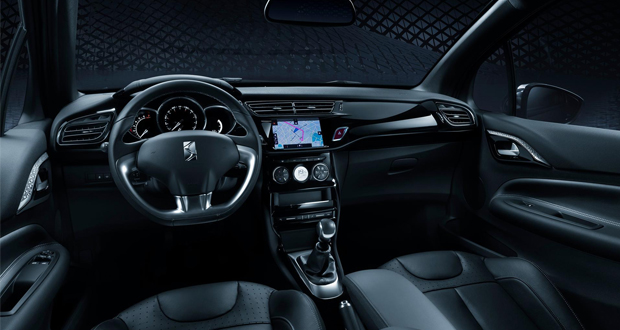 ApplicationsThe DS 3 Dark Side, a unique design created with the help of AMPSA Group, a French automotive manufacturer, has unveiled a new, special series called the DS 3 Dark Side. This new car was designed in part thanks to additive manufacturing, bringing a look of class and modernity to the automotive industry.…
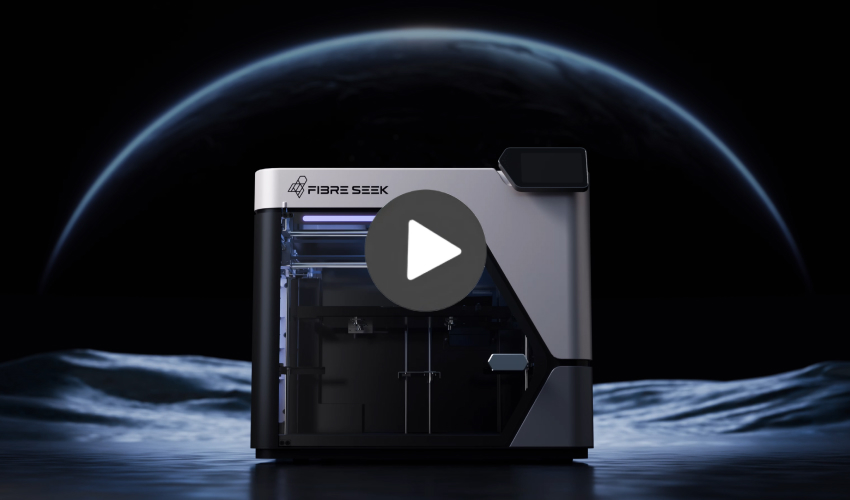 PrintersFibreSeek Launches Fibre Seeker 3: Bringing Aerospace-Grade Composites to the DesktopFibreSeek, an international 3D printing startup born from the core team behind Anisoprint, is aiming to make continuous fibre 3D printing accessible to a much wider audience. Known for pioneering composite extrusion systems used by organisations like NASA and Airbus,…