Materials
Carbon on Developing More Innovative Materials and the Importance of Sustainability in AM
When Carbon was founded in 2013, it set about to radically change product development and manufacturing with its ultra-fast photopolymerization printing process, Digital Light SynthesisTM (DLS). Since then, the company has continued to make waves as companies like adidas, Ford&he
- 3 min read
- Materials
- Six more stories
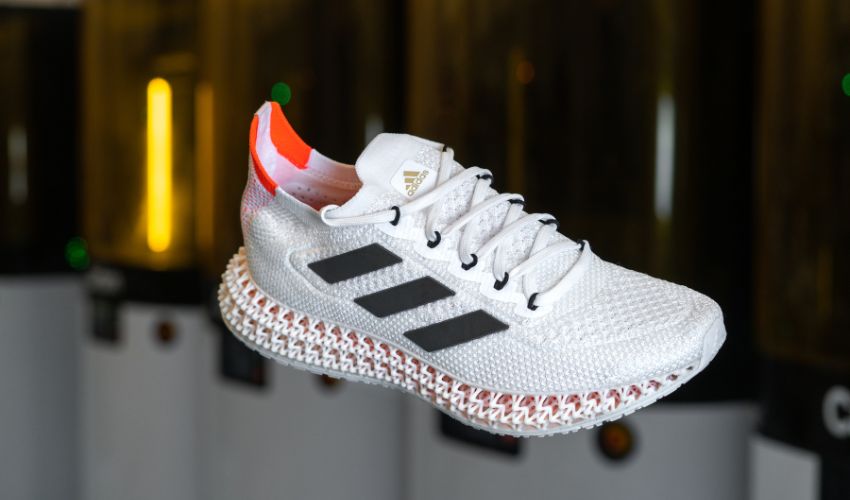
When Carbon was founded in 2013, it set about to radically change product development and manufacturing with its ultra-fast photopolymerization printing process, Digital Light SynthesisTM (DLS). Since then, the company has continued to make waves as companies like adidas, Ford Motor Company, Becton Dickinson Company, and others leverage the Carbon DLS™platform to “deliver better products in less time.” And it does not plan to stop there. Beyond continually improving its technology, the company has been focusing on innovative material development as well as helping the industry become more sustainable as a whole. We sat down with Jason Rolland, Senior Vice President of Materials at Carbon, to learn more about how their technology works, materials, and of course how they are working towards a more environmentally-friendly world.
3DN: Could you please introduce yourself?
My name is Jason Rolland, I lead the Materials team at Carbon, I’ve been with the company for over eight years. I joined really early on, I was employee number 8 and we now have over 500 employees so it’s been fun to watch the company grow and see all the awesome things that have emerged. My background is in Polymer chemistry, I did my undergrad at Virginia Tech and my PhD at University of North Carolina Chapel Hill. That’s where I met Joseph DeSimone who was my PhD advisor and later brought me into Carbon. Joe is a cofounder at Carbon. He introduced me to the technology early on and recruited me to build up the Materials team and platform. I was brand new to 3D printing prior to that and it was super exciting to see the new technology and the potential for where it could go.

Jason Rolland, SVP of Materials at Carbon
3DN: Could you tell us more about Carbon and your DLS technology?
Since the beginning of Carbon, we have been focused on getting 3D printing into production at scale. To do this, two major issues we needed to address were print speed and material performance. 3D printers can be quite slow no matter what technology you are using and that impacts cost per part, as you are not able to produce in high volume. To address this, we developed Digital Light SynthesisTM (DLS) technology. With it, essentially, we were able to greatly reduce the adhesion forces of the building part to the bottom of the cassette and, consequently, greatly increase print speeds.
More from the desk
Six other notes from the rest of the bench.
 NewsMetal 3D printed perfume bottles by Formula 1When Formula 1 meets designer Ross Lovegrove and Designer Parfums, you get 3D printed perfume bottles! The brand wanted to launch its first line of fragrances, F1 Fragance to remind people of the dynamism, passion and pleasure that exist around…
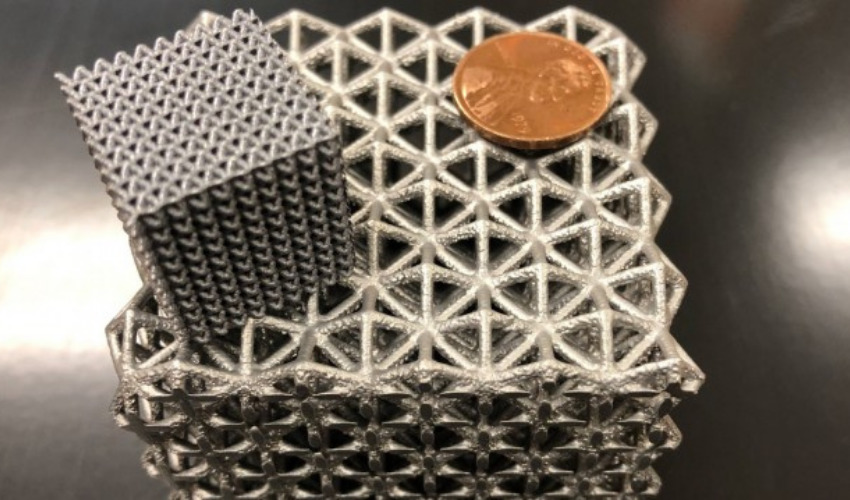 MaterialsUnited States Army Working with UCF to Optimize 3D Printing ProcessesOnce again, the American military has shown its interest in using 3D printing. This time, United States Army researchers have collaborated with academic partners from the University of Central Florida (UCF) to work to optimize the additive manufacturing process. The…
 NewsSouth Africa Opts for 3D printing to Combat Housing ShortageTo combat the shortage of housing, or simply buildings, additive manufacturing seems to be one of the increasingly popular options available today. And the South African government seems to have understood this. In order to fight against the low level…
 NewsSitting Down With XJet at RAPID + TCT 2023RAPID + TCT 2023 has wrapped up! Taking place in Chicago, Illinois on May 2-4, it was the 33rd edition of the three-day event. But with over 400 exhibiting companies, it could be hard to know to talk too. Luckily,…
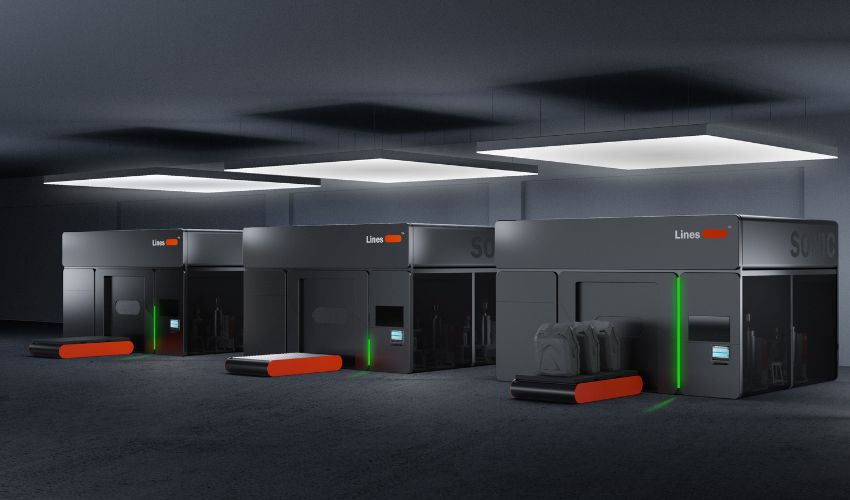 NewsLines Manufacturing Is Combining Large Format and High Speed in Its Industrial 3D PrinterFounded in 2019, French start-up Lines Manufacturing intends to make its mark on the large-format additive manufacturing market with its Lines SONIC solution. The special feature of this FGF machine is the printing speed it can achieve, even on large…
 ApplicationsThe World’s First 3D Printed Train Station Is Being Made in JapanAnyone who regularly travels by train will be familiar with the gulf between the high-tech solutions in the city and outdated commuter trains in the countryside. While train stations in the cities can be veritable technological strongholds and hubs for…