News
Canada’s First 3D Printed Student Residence Breaks Ground
The University of Windsor has begun 3D printing what will become Canada’s first net-zero, multi-storey student residence, marking a major national milestone in additive construction and sustainable building design. The project, which officially moved into its printing phase at 10
- 3 min read
- News
- Six more stories

The University of Windsor has begun 3D printing what will become Canada’s first net-zero, multi-storey student residence, marking a major national milestone in additive construction and sustainable building design. The project, which officially moved into its printing phase at 1025 California Avenue, showcases how large-scale 3D printing is shifting from experimentation to real-world application in Canada’s housing sector.
The initiative is supported by a two-million dollar investment from FedDev Ontario and is being carried out in partnership with several industry collaborators. The installation of a large concrete-printing system on site signals the transition from planning to active construction, giving researchers and builders an opportunity to demonstrate how additive manufacturing can reshape conventional building practices. The university believes that by printing structural elements directly on site, construction can be completed more efficiently, with reduced material waste and improved energy performance.
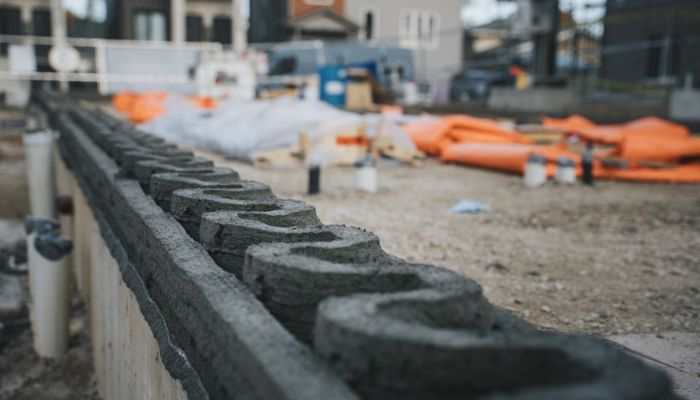
Dr. J.J. McMurtry, President and Vice-Chancellor of the University of Windsor, noted that the project underscores what coordinated innovation can achieve. He stated that the collaboration between government, academia, and industry shows how 3D printing can support faster, more affordable and more sustainable homebuilding. University researchers are treating the residence as both student housing and a real-time learning environment, with engineering students and faculty studying material performance, workflow strategies, and the environmental impact of large-scale additive construction.
More from the desk
Six other notes from the rest of the bench.
 NewsTop 5 Videos: 10 Dates that Changed 3D PrintingThis week we found the top 5 videos about 3D printing and the way additive manufacturing is changing production. The technology has infiltrated many sectors, from medical to automotive: check our selection of the week to keep up with the innovations! If you enjoy these, you&helli
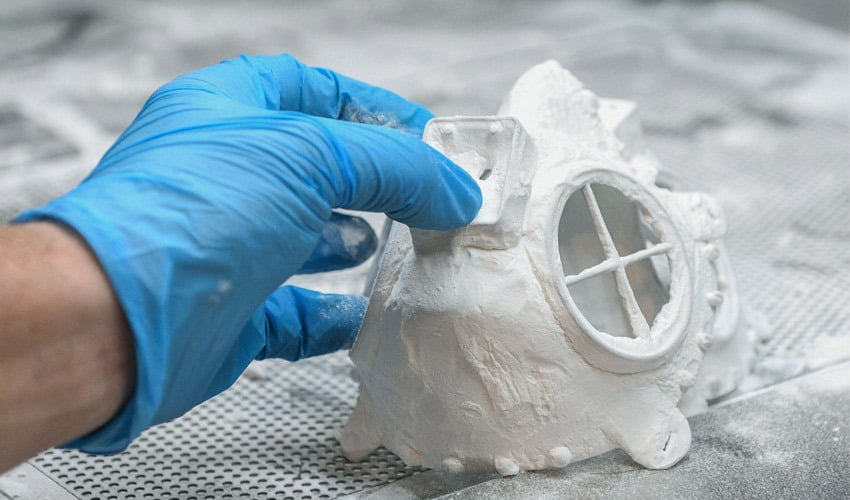 NewsWhat were the 3D printing trends of 2020?What were the 3D printing trends of 2020? How is the additive manufacturing industry changing? Today, we look back on the 3D printing trends that shaped the industry during 2020. Despite COVID-19, the industry developed healthily and some exciting developments…
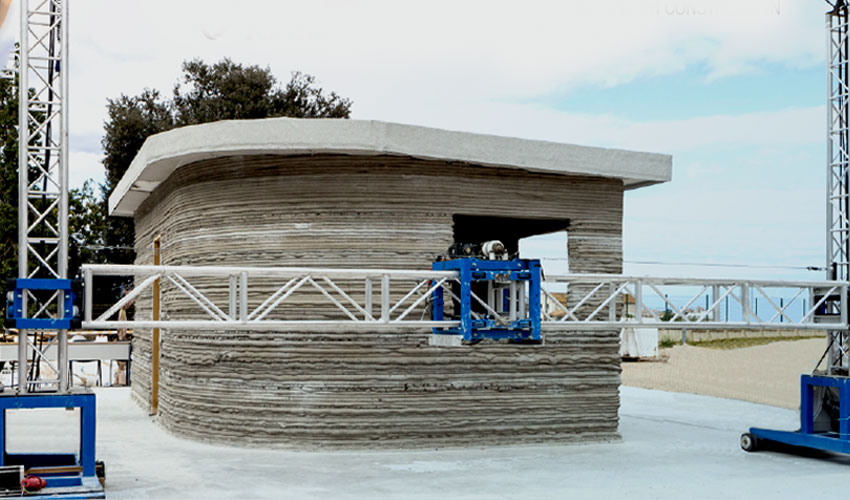 NewsBe More 3D launched the construction of the first 3D printed house in Africa3D printing in the construction sector is booming, in fact SmarTech Publishing estimated this market will reach $40 billion by 2027. As a result, more and more companies are joining this new wave of manufacturing, which not only saves materials…
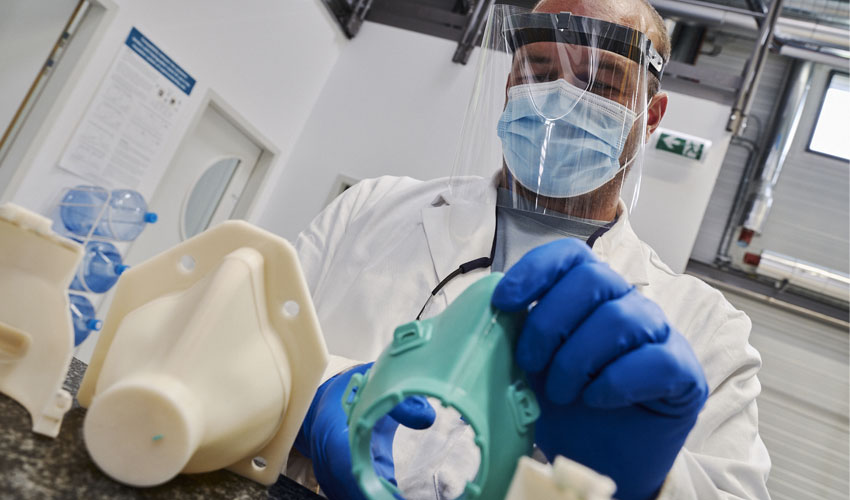 Guides3D Printing vs COVID-19: The Most Exceptional Initiatives of the PandemicFor years to come, 2020 will likely be remembered for the dramatic changes and loss of life that accompanied the pandemic. This year the 3D printing sector prevailed, first adapting, and shortly thereafter becoming a powerful force in the fight…
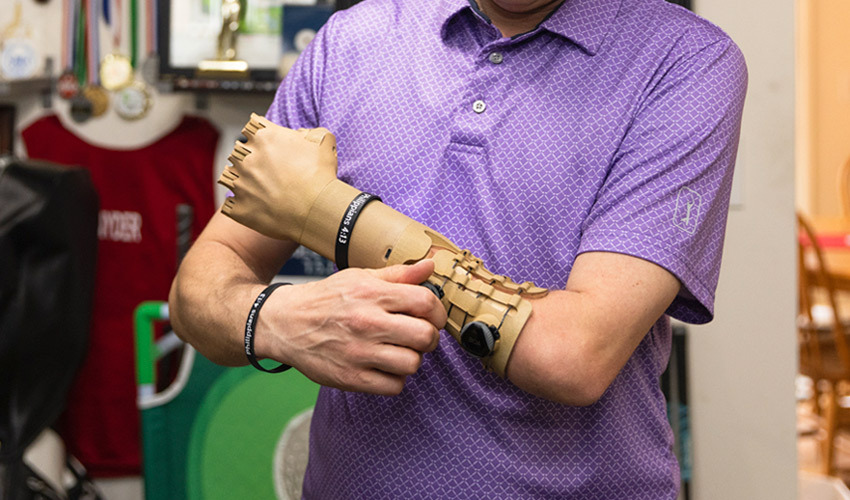 Guides#3DStartup: Unlimited Tomorrow and its 3D Printed Bionic Prosthetic ArmIt is no secret that 3D printing has been making great waves in recent years in the medical sector. One arena in which the technologies have been especially useful is for making prostheses as it allows for lighter, more customized…
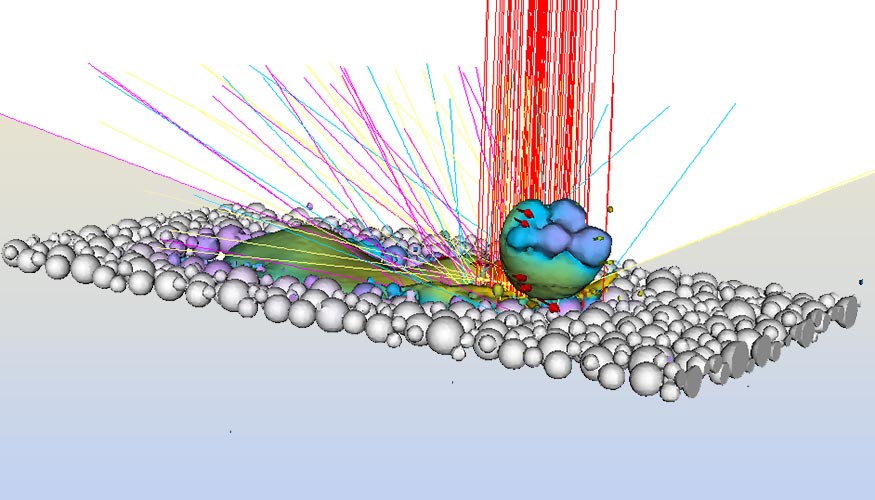 PrintersLLNL is able to reduce metal powder spatter during fabricationAt the Lawrence Livermore National Laboratory (LLNL), a team of researchers has developed a technique to reduce the defects that can occur during the metal 3D printing process, particularly during laser powder bed fusion. Using a computer model, they were…