News
Caltech Researchers Develop New Approach to Metalurgy with 3D Printing
Researchers at Caltech have developed a novel approach to metallurgy that enables precise control over both the chemical composition and microstructure of metallic materials, significantly enhancing their mechanical resilience. Traditionally, however, metallurgy has followed a ve
- 3 min read
- News
- Six more stories
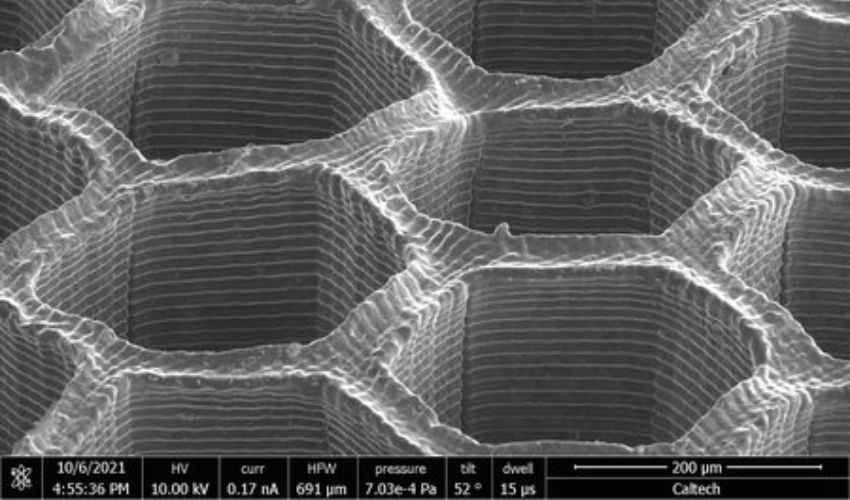
Researchers at Caltech have developed a novel approach to metallurgy that enables precise control over both the chemical composition and microstructure of metallic materials, significantly enhancing their mechanical resilience. Traditionally, however, metallurgy has followed a very different path. “If you look at how metallurgy has been done for centuries, in broad strokes, you nearly always start with a raw ore, which is then thermally and/or chemically treated and refined, to produce the desired metal or alloy,” materials science professor Julia R. Greer said. “And basically, the mechanical properties of the metals produced this way are limited.”
The new approach challenges previous methods by integrating advanced 3D printing techniques into the process. It builds on work Greer led in 2018, in which her team used additive manufacturing to construct intricate metal microstructures. The process, known as hydrogel-infusion additive manufacturing (HIAM), is described in their paper as “a microscale printing technique distinguished by its forming of parts throughout phase transformations and crystal growth.” Now, the researchers have taken HIAM a step further by learning to infuse more than one metal at a time. This advancement allows them to create copper–nickel alloys with custom-tailored ratios of each element—variations that lead to significant changes in the material’s mechanical properties.
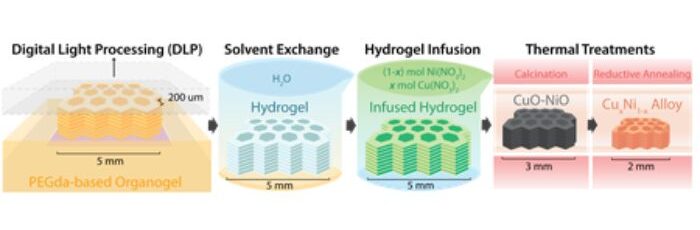
The process for making copper-nickel alloys using HIAM
How Does HIAM Work?
The HIAM process stands out for its complexity and precision. It begins with 3D printing an organic hydrogel to form a soft, gel-like scaffold. To do this, the researchers used a technique called digital light processing. Once the scaffold is printed, a liquid solution of metallic salts is applied, allowing metal ions to infuse into the structure. The next step is calcination: the printed object is burned in the presence of oxygen, which burns away all organic material and leaves metal oxides behind. Following this, the structure undergoes reductive annealing—a process in which it is exposed to high temperatures in a hydrogen-rich environment. This causes most of the oxygen to diffuse out of the solid, reacting with hydrogen to form water vapor. What effect does this complex phase evolution have? These carefully controlled thermal steps result in the formation of intricate microstructures within the 3D-printed, metal-infused gels. In the end, HIAM produces a metallic structure of the intended shape—now an alloy composed of the two infused metals.
More from the desk
Six other notes from the rest of the bench.
 ApplicationsTop 5 Videos: 3D Printing’s Diverse Dental ApplicationsWelcome to our compilation of this week’s top 5 most compelling 3D printing videos. We kick off this week with a video by 3D Systems, providing us with a detailed look at their latest dental innovations, which were showcased at…
 News3D Printed Spikes From BMW Are Being Used to Make Bobsledding FasterIn the sports sector, 3D printing is continuously being used to customize equipment for athletes, even at the highest levels. The increased relevance of 3D printing was once again demonstrated by the German Bobsled, Luge and Skeleton Federation (BSD). In…
 NewsbyFlow Presents Food 3D Printing Technology at World’s 50 Best Restaurants EventIn Antwerp, the ‘World’s 50 Best Restaurants’ annual event took place on October 5th for the first time since the start of the global health crisis. During the awards ceremony, byFlow, the manufacturer of food 3D printers, presented its latest…
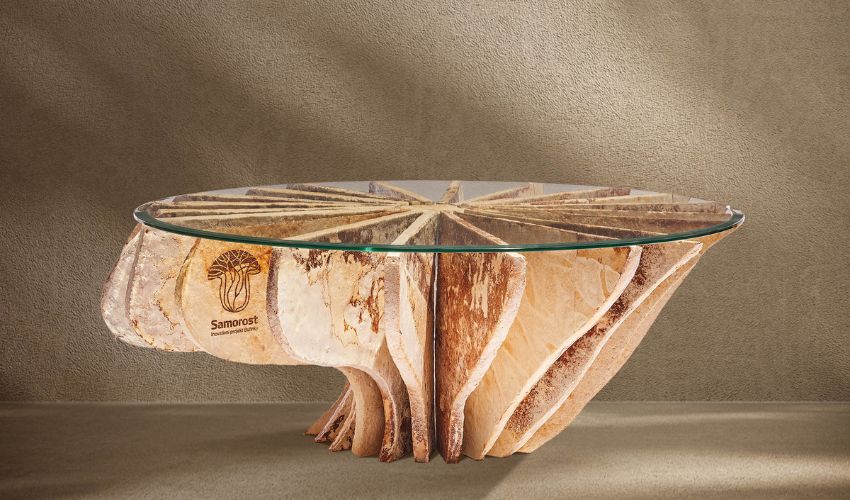 MaterialsSAMOROST Reveals Visionary Mycelium-Based 3D Printed Furniture at DesignblokSAMOROST, a visionary project led by the Czech 3D printed construction company Buřinka, unveiled an extraordinary collection of sustainable furniture crafted from mycelium at the international Designblok festival. This innovative reveal combines the forces of mycelium, additive m
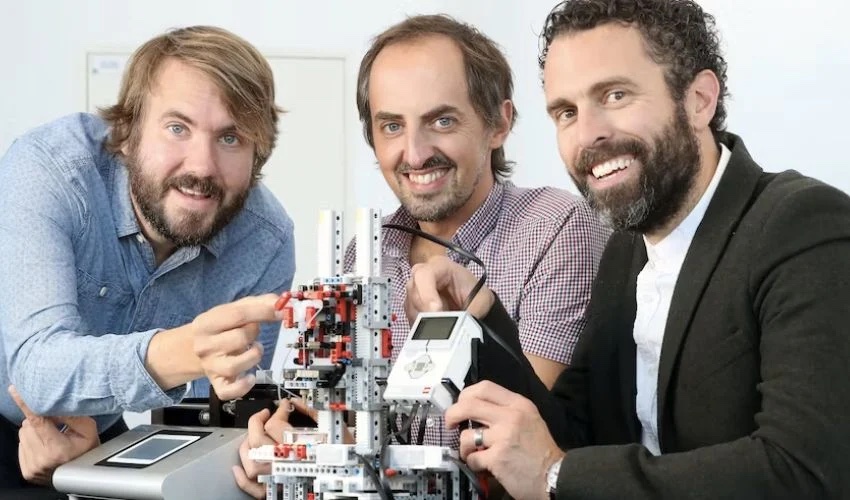 ApplicationsA LEGO 3D Bioprinter Could Make Biomedical Research More AccesibleResearchers at Cardiff University have made a LEGO 3D bioprinter that is capable of printing human tissue such as skin according to a study in Advanced Materials Technologies. The team has made their model open source and hope to have…
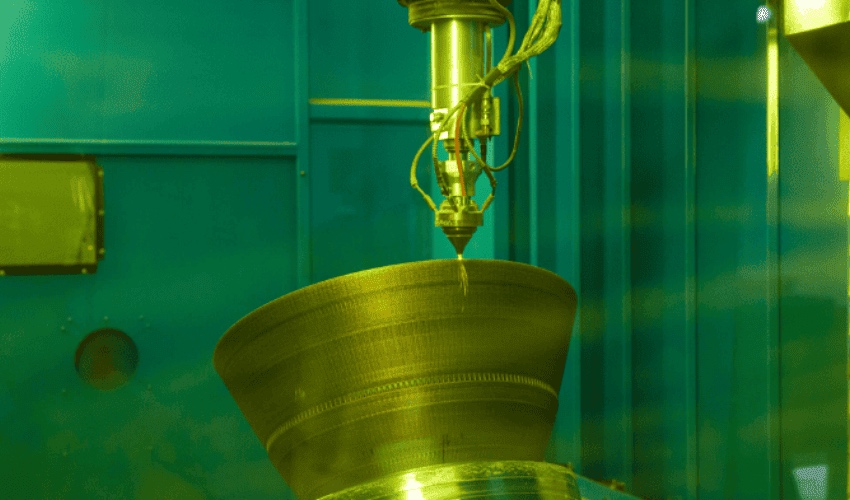 ApplicationsApplication of the Month: 3D-Printed Rocket Nozzles Made Using DEDAdditive manufacturing has profoundly changed the design, testing and production process for parts used in the aerospace sector. This industry benefits not only from reduced production times, but also from improved characteristics of the parts manufactured. In this context, SAB&h