Applications
Application of the Month: 3D-Printed Rocket Nozzles Made Using DED
Additive manufacturing has profoundly changed the design, testing and production process for parts used in the aerospace sector. This industry benefits not only from reduced production times, but also from improved characteristics of the parts manufactured. In this context, SAB&h
- 3 min read
- Applications
- Six more stories
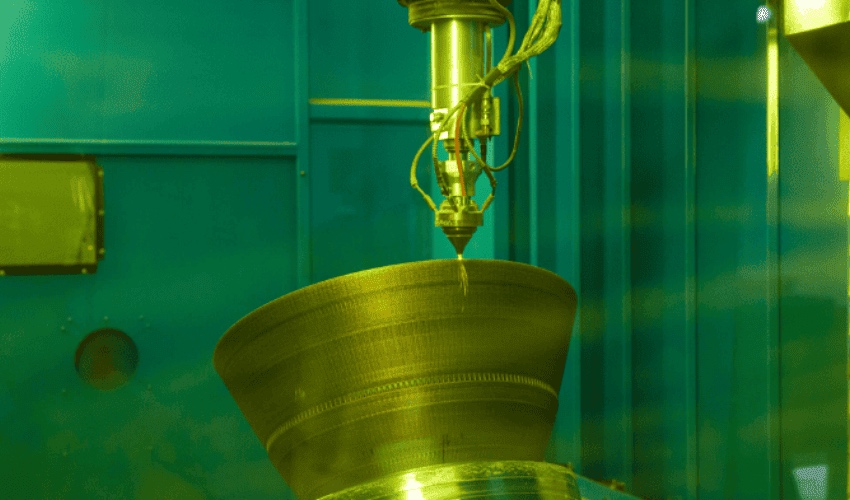
Additive manufacturing has profoundly changed the design, testing and production process for parts used in the aerospace sector. This industry benefits not only from reduced production times, but also from improved characteristics of the parts manufactured. In this context, SAB Aerospace has developed the first demonstration model of one of its rocket nozzles, using Prima Additive’s DED (directed energy deposition) technology.
In keeping with Prima Additive’s philosophy, “Crafting the Future of Space One Layer at a Time,” this nozzle design represents a breakthrough for the conduct of space missions. Indeed, the rocket nozzle is an essential part of the engine. It is mainly used to channel the hot gases generated during fuel combustion. The integration of DED technology brings an improvement to nozzle manufacturing. This process, which used to be complex and often time-consuming, is now more efficient thanks to this method. But why choose this technology?
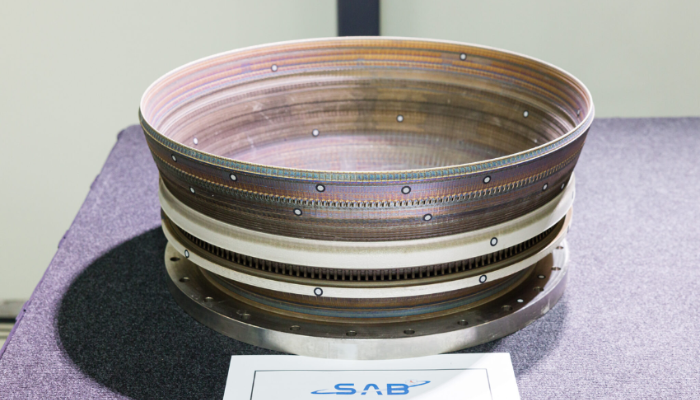
SAB Aerospace Relies on Inconel® and 3D Printing for Rocket Nozzles
SAB Aerospace has adopted DED technology to simplify the manufacturing of large metal parts. Unlike processes such as SLS or FDM, which require a closed chamber and are limited by its dimensions, DED enables large parts to be produced without being restricted by the size of the machine.
More from the desk
Six other notes from the rest of the bench.
 Applications3D Printed Facial Implants to Revolutionize Black Fungus Treatment in IndiaAround the world, we have already seen the viability of additive manufacturing technologies for the creation of implants. This is especially the case for those living in regions that may be less economically prosperous, with citizens who may have less…
 NewsTOP 5 VIDEOS: 3D printing for athletes…This week we found the top 5 videos about 3D printing and the way additive manufacturing is shaping our society. The technology has infiltrated many sectors, from medical to automotive! Check out our selection of the week to keep up with the innovations! This week we…
 NewsRevo Foods’ 3D Food Printing Hits the Industrial StageSushi, fish dishes, and seafood continue to be popular on our plates, even in regions without direct access to the sea, where these goods are imported. However, this regional demand has taken a toll on our oceans, with approximately 90%…
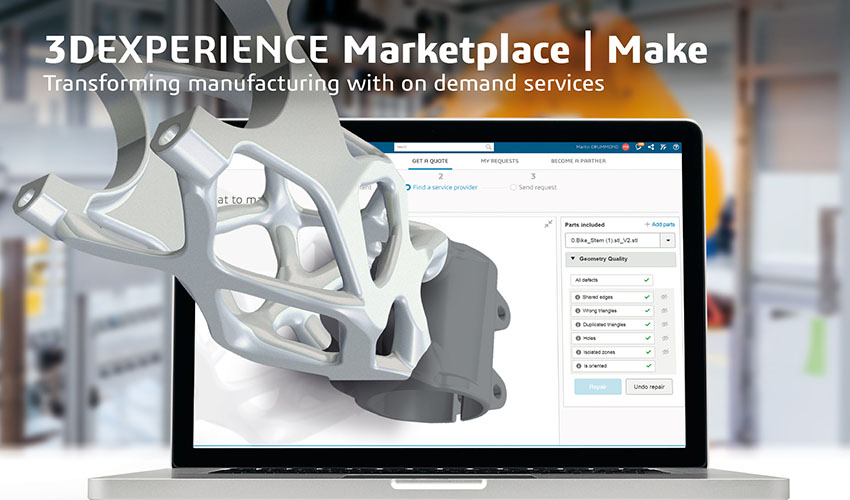 NewsDassault Systèmes’ On-Demand Manufacturing Service, 3DEXPERIENCE MakeDassault Systèmes, leader in 3D design software, 3D Digital Mock Up and Product Lifecycle Management (PLM) solutions, has recently introduced its On-Demand Manufacturing service called 3DEXPERIENCE Make. This service, part of the company’s 3DEXPERIENCE Platform seeks to be a comp
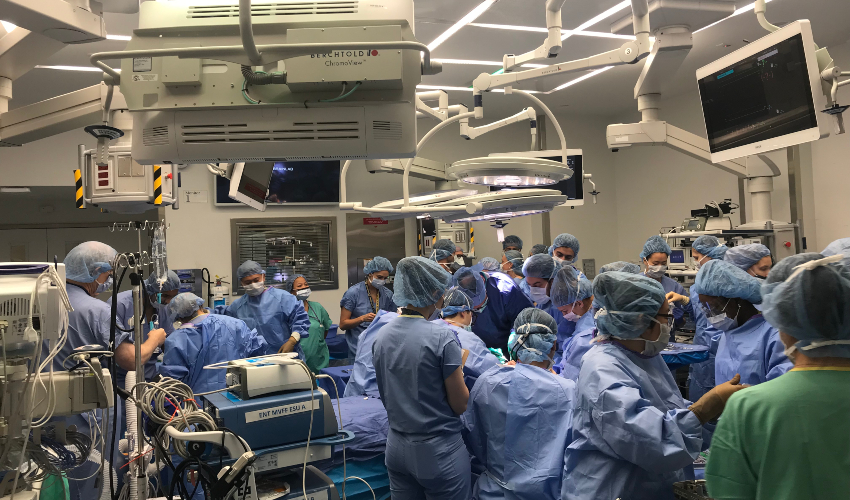 ApplicationsWorld’s First Double Hand and Face Transplant achieved with Materialise 3D Printing TechnologyEarlier this week, a team of Materialise clinical engineers and NYU Langone surgeons made history with the world’s first double hand and face transplant. The success of this transplant largely owes to 3D printed personalized tools that are becoming increasingly…
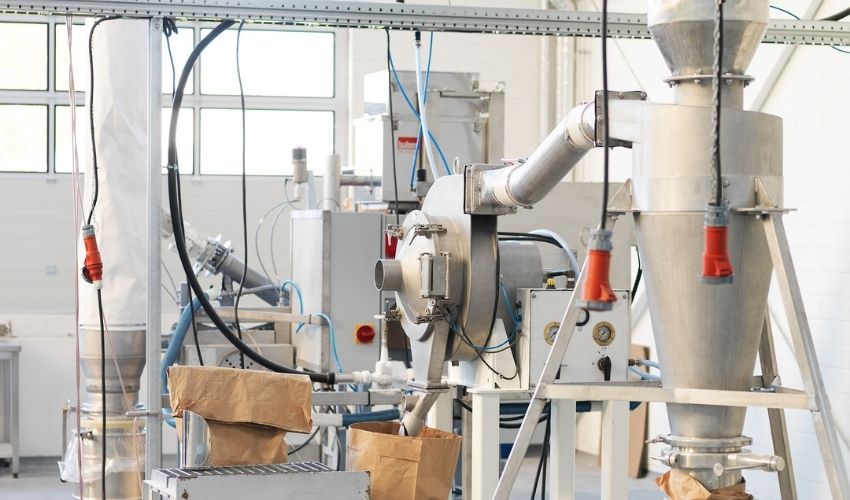 GuidesDressler Group on the Importance of Contract Grinding for Additive ManufacturingWhen it comes to the quality of additively manufactured components, one thing above all makes a difference: the material used. For binder jetting, HP’s Multi-Jet Fusion technology or selective laser sintering (SLS), this means that the powders used are critical…