Applications
Breakthrough in the Treatment of Burn and Cancer Patients with 3D Printed Wound Dressings
Additive manufacturing is making significant strides in the medical industry, revolutionizing the production of prostheses, implants, and surgical planning. In a notable breakthrough, researchers at the University of Waterloo have utilized 3D printing technology to address the ne
- 3 min read
- Applications
- Six more stories
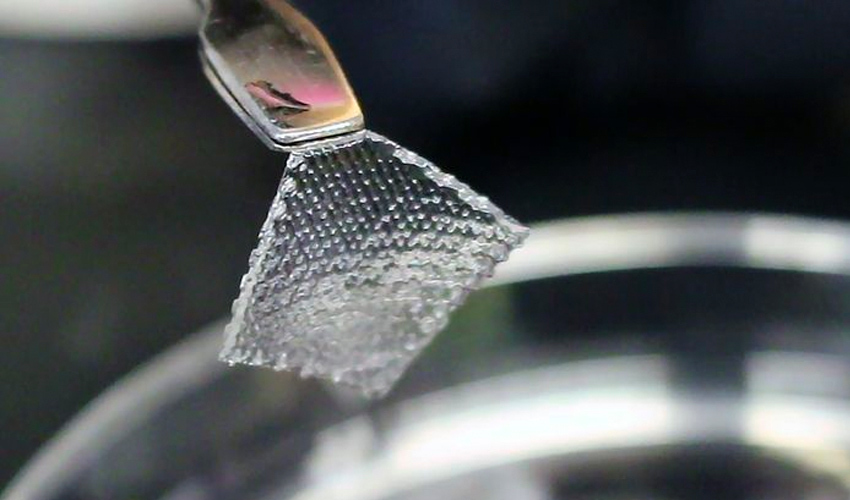
Additive manufacturing is making significant strides in the medical industry, revolutionizing the production of prostheses, implants, and surgical planning. In a notable breakthrough, researchers at the University of Waterloo have utilized 3D printing technology to address the needs of burn and cancer patients, specifically in the development of hydrogel wound dressings. Traditionally, dressing changes have caused considerable pain for burn victims, presenting a significant challenge for healthcare professionals. However, the introduction of 3D printed wound dressings made from smart hydrogel materials, with their unique polymer structure, aims to accelerate the healing process and minimize pain during dressing changes. This innovative approach holds great promise for more comfortable and efficient wound care in the future.
“We can customize the shape with a 3D printer, and the material has a fine-tuned surface adhesion, which is a key element,” explains Dr. Boxin Zhao, a professor in the university’s Department of Chemical Engineering. The unique surface of these dressings ensures excellent and gentle adhesion to the skin, even on complex body parts like the nose and fingers. Additionally, their material properties make them easy to remove, resulting in pain-free dressing changes. The utilization of 3D printing in their development brings a significant advantage: personalization. By leveraging 3D printing technology, the wound dressings can be tailored to each patient’s specific needs, allowing for optimal treatment outcomes. This personalized approach enhances the effectiveness and comfort of the dressing application, further advancing the field of wound care.
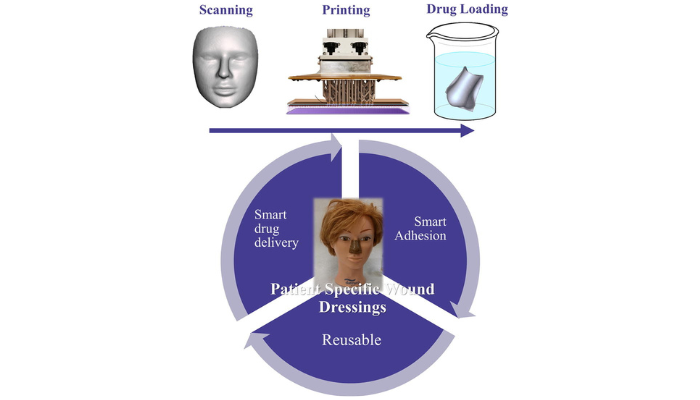
3D printed wound dressings support wound healing. (photo credits: ©University of Waterloo)
Treatment of Cancer Patients
In addition to burn victims, the new wound dressings also hold promise for cancer patients. The traditional lengthy hospital stays are now being replaced by a more comfortable treatment option. These dressings are specifically designed to provide a continuous and controlled release of medication onto the skin, ensuring effective therapy. Composed of a biopolymer derived from seaweed, a thermally reactive polymer, and cellulose nanocrystals, the dressings possess unique properties. They can be cooled in a refrigerator and gradually warm up to body temperature when applied to the skin, offering a soothing and gentle experience.
More from the desk
Six other notes from the rest of the bench.
 NewsThe new McLaren 720S includes 3D printed partsOne of the greatest advances we have seen in the additive manufacturing industry is the variety of applications it finds in the automotive industry. The customization of high-end vehicles is very important to many potential buyers in order to acquire…
 ApplicationsWake Forest researchers create lab model of the human bodyUsing bioprinting techniques, researchers at the Wake Forest Institute for Regenerative Medicine have developed a miniature lab model of the human body. This model contains miniaturized human organs such as the heart, lungs and liver, and will be used to…
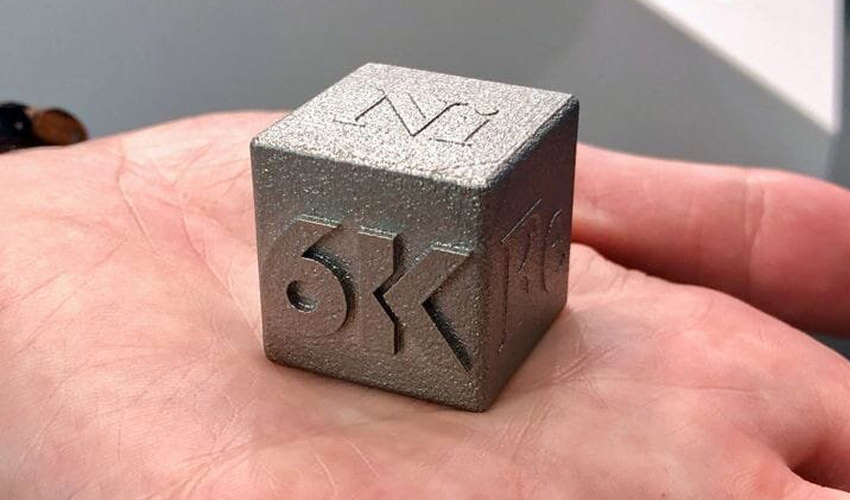 Materials#3Dstartup: 6K on creating advanced materials for additive manufacturingThe U.S. company 6K is focused on creating premium materials to advance relatively new industries such as additive manufacturing, renewable energy, and more. If we focus on additive manufacturing, the company has identified the growing demand for metals that can…
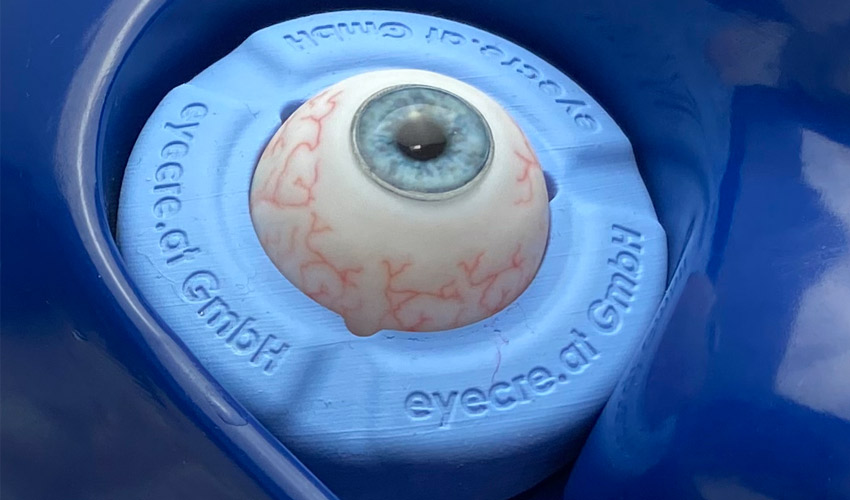 ApplicationsAddion Has Designed Ultra-Realistic Eye Models to Help Prepare for Ophthalmological SurgeriesAustrian 3D printing service Addion GmbH, which specializes in the production of 3D printed medical devices, is using Stratasys PolyJet technology to design ultra-realistic surgical eye models to better prepare for critical operations. The multi-material, multi-color additive man
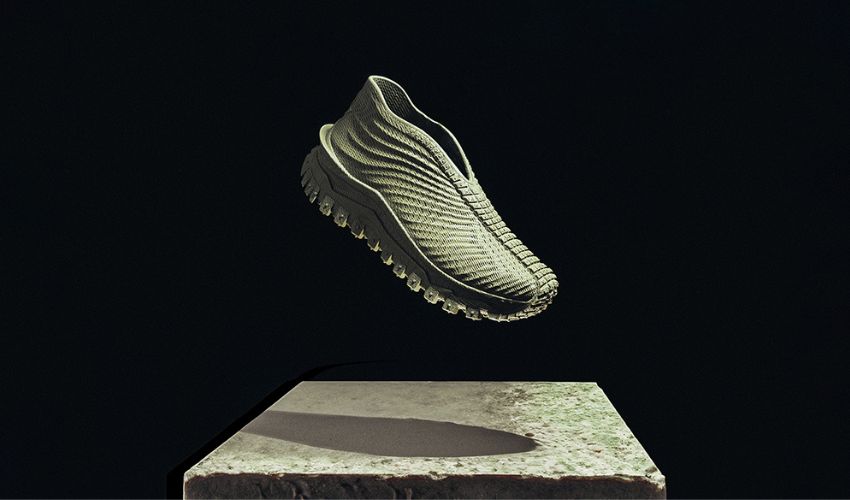 NewsSustainability Meets Style with Zellerfeld and Moncler’s 3D Printed Trailgrip SneakerPioneering the world of 3D printed shoes, Zellerfeld has joined forces with Moncler, a renowned luxury fashion brand known for its commitment to eco-consciousness and innovation. This collaboration marks Moncler’s foray into 3D printing, using a single recyclable material t
 ApplicationsFirst RAF-Made 3D Printed Part Installed on Operational Typhoon JetIn a new development within the defense sector, the United Kingdom’s Royal Air Force has successfully installed its first in-house manufactured 3D printed component to an operational Typhoon fighter jet at RAF Coningsby. This is a new milestone that signals…