Applications
First-Ever Kidney and Liver Tissue Bioprinted in Space Aboard the ISS
The American company Auxilium Biotechnologies has successfully 3D-printed kidney and liver tissue in space for the first time. The experiment was conducted aboard the International Space Station (ISS) using its AMP-1 orbital bioprinter. The samples returned to Earth on June&helli
- 3 min read
- Applications
- Six more stories
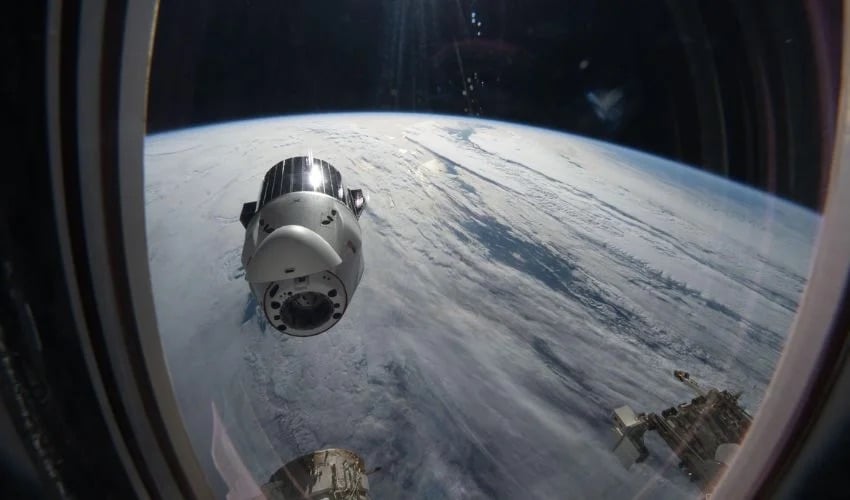
The American company Auxilium Biotechnologies has successfully 3D-printed kidney and liver tissue in space for the first time. The experiment was conducted aboard the International Space Station (ISS) using its AMP-1 orbital bioprinter. The samples returned to Earth on June 17, splashing down off the coast of California after traveling as part of NASA’s SpaceX CRS-34 mission. The goal: to advance the manufacturing of biomedical products outside our planet. Translated with DeepL.com (free version)
As you may know, bioprinting relies on bio-inks, which are mixtures of living cells and biomaterials, deposited layer by layer to build a structure resembling human tissue. Bringing this technique into space opens the door to manufacturing tissues and biological models directly in orbit, a prospect drawing growing interest in biomedical research.
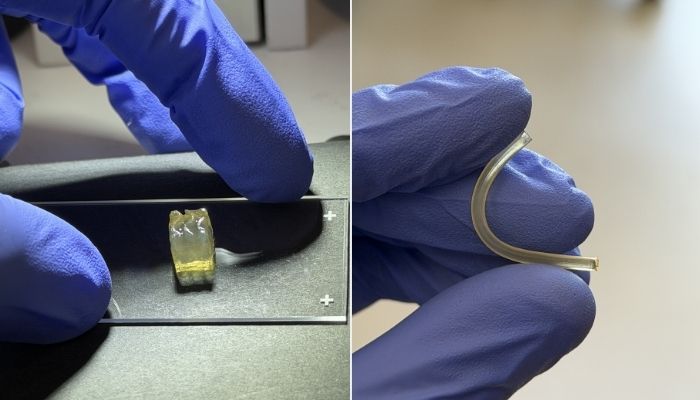
Tissue sample (left) and a nerve repair implant, both bioprinted aboard the International Space Station (ISS). (Credit: Auxilium Biotechnologies)
Auxilium is targeting a very specific application: organoids, those miniature three-dimensional models that replicate how a human organ functions and are used to study diseases, test drugs, or predict a treatment’s response. The whole point of this technology lies in the search for alternatives to animal testing. Today, organoids are made on Earth and then sent into space; being able to produce them directly in orbit through bioprinting would therefore let researchers have them on demand, without depending on launch schedules or Earth-based supply chains.
More from the desk
Six other notes from the rest of the bench.
 NewsWhat impact does 3D printing have on the world of cinema?The applications of 3D printing are extremely diverse: from food to automotive parts, this technology is used to create a wide variety of shapes from various materials. The world of filmmaking is another area where 3D printing shows its full…
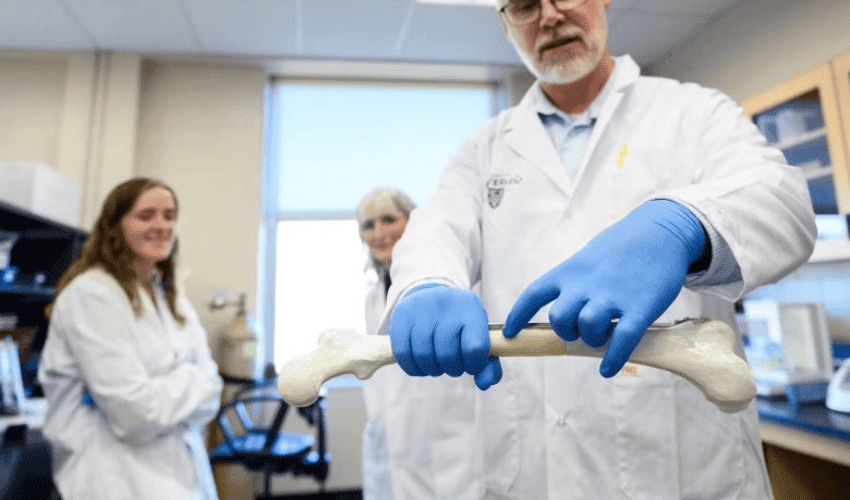 ApplicationsResearchers Develop Personalized Bone Grafts Using 3D Printing3D printing is gradually transforming the medical field, offering increasingly sophisticated solutions. Most recently, a team of researchers at the University of Waterloo developed a material that reproduces the mechanical characteristics of human bone. Thanks to its ability to b
 News3D Printing Has Been Used to Make Carbon Dioxide Capture FiltersOne of the greatest challenges facing humanity in our times is no doubt climate change. Driven by excessive carbon dioxide (CO2) in the atmosphere which is causing a greenhouse effect and heating the planet, the solution to this global warming…
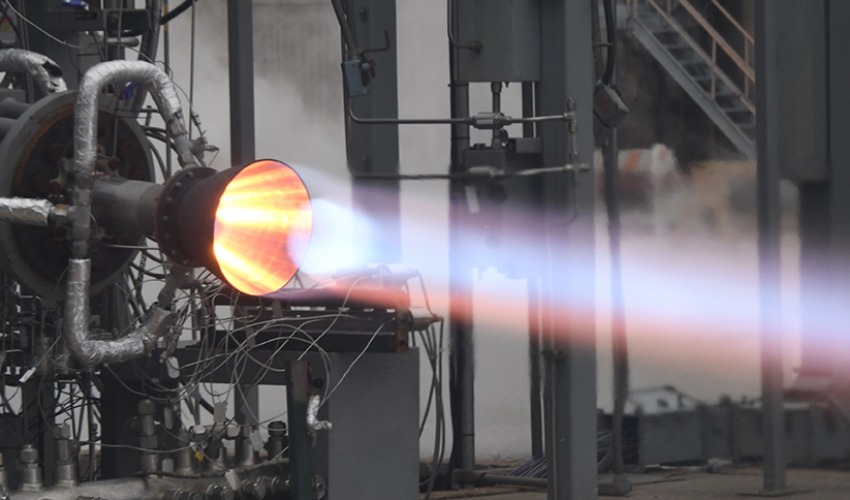 ApplicationsNASA and Aerojet Rocketdyne Partner to Test AM HardwareNASA has announced that its Robotic Deposition Technology (RDT) team is partnering with Aerojet Rocketdyne, an American rocket and missile propulsion manufacturer headquartered in Sacramento, to advance its 3D printing, and more specifically metal additive manufacturing, technolo
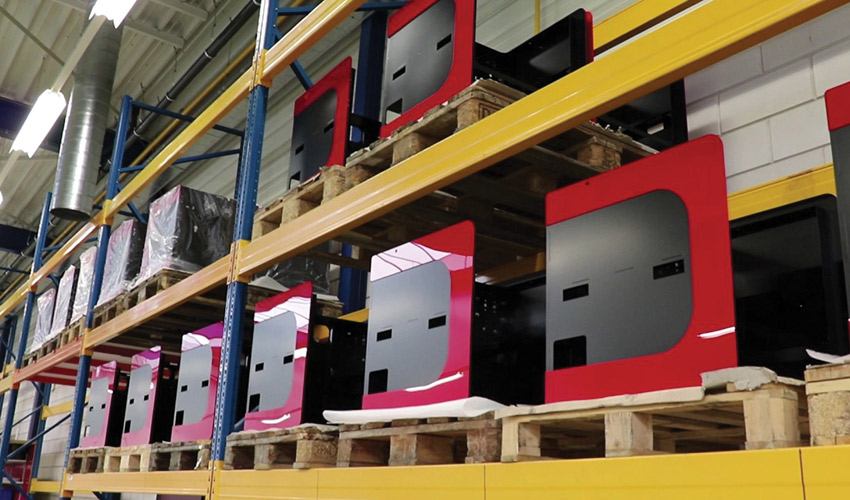 PrintersBehind the scenes with professional 3D printer manufacturer dddropThe Netherlands is undoubtedly a dominant force within the European 3D printing industry. Companies such as Ultimaker, 3D Hubs, and ColorFabb have expanded worldwide, showing the power of Dutch entrepreneurialism. However, during this Dutch 3D printing golden era one company&hell
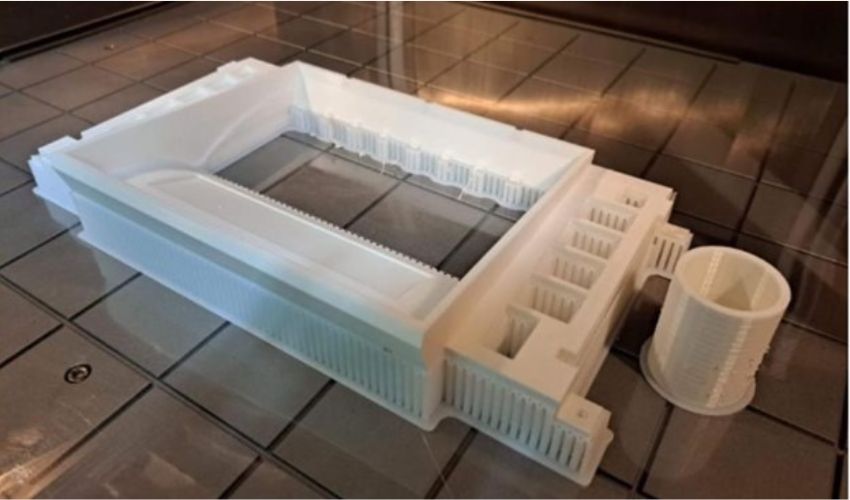 NewsDiebold Nixdorf Adopts FFF 3D Printing for Cutting-Edge Banking SolutionsWhen thinking of banking equipment, most people conjure an image of old-fashioned money-counting machines or tools used by tellers sitting behind their counters. But as one of the oldest professions, dating back to records from around 2000 BCE in ancient…