News
What impact does 3D printing have on the world of cinema?
The applications of 3D printing are extremely diverse: from food to automotive parts, this technology is used to create a wide variety of shapes from various materials. The world of filmmaking is another area where 3D printing shows its full…
- 3 min read
- News
- Six more stories
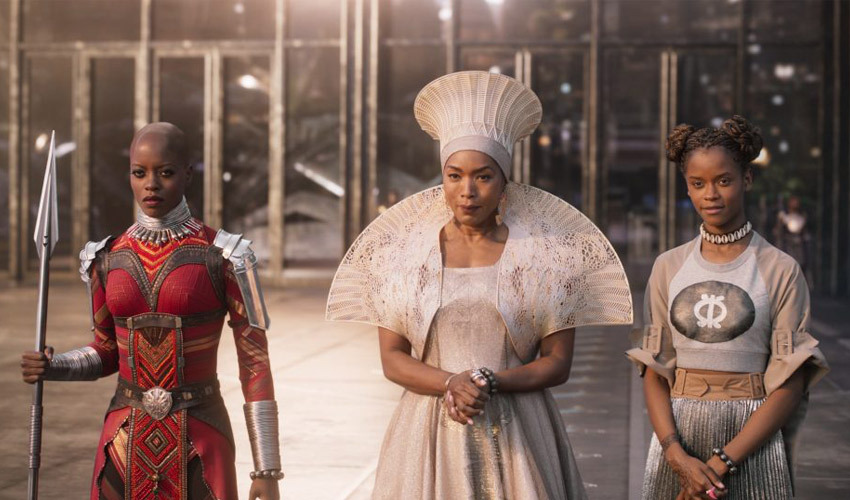
The applications of 3D printing are extremely diverse: from food to automotive parts, this technology is used to create a wide variety of shapes from various materials. The world of filmmaking is another area where 3D printing shows its full potential. Award-winning and extremely popular movies such as Avatar, Iron Man, Star Wars: The Force Awakens or Black Panther have used 3D printing to design props, sets, parts of all kinds, etc. The film industry can now take advantage of the design freedom and flexibility of 3D technologies and put it in the spotlight on the big screen! That’s why we met with various filmmakers, designers and players in the additive manufacturing sector to learn more about the impact of 3D printing in cinema: can it replace some of the techniques used today? What are the advantages it can bring and the limits that need to be overcome?
The film industry is constantly evolving – just compare a 40-year-old film with a recent release, and the difference in special effects alone is staggering. Today, the aim is to immerse the viewer in a world that is as realistic as possible – or at least as close to abstract reality as possible in the case of science fiction. That’s why the sets, props and costumes have become the key elements for many film genres. To achieve this, the world of cinema must adapt to constant change, always trying to use the latest technologies and thus exploit their advantages. This evolution began as early as the 18th century with the sequence of individual images that together produced a frequency of movement. The year 1895 is often regarded as the birth of cinema, when the Lumière brothers succeeded in developing a cinematic technology, which included a device projecting film in black and, but with no sound. Thirty-two years later, the era of sound film started in the United States, then the colour films were introduced. Although the incorporation of sound and colour represent great upheavals in the film industry, the advances don’t end there: the introduction of 3D printing in film making is another huge development of the industry.
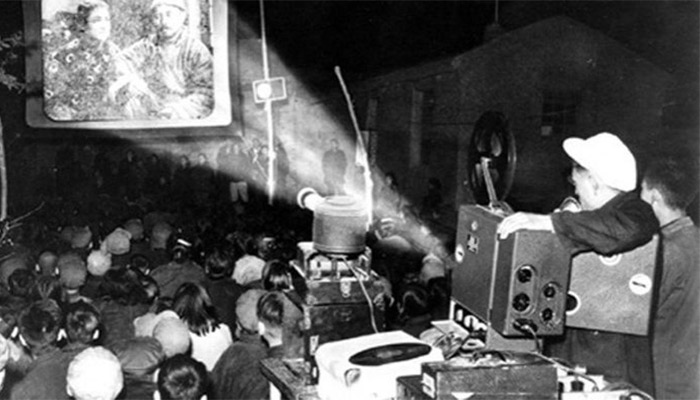
The film industry has been shaken by many changes.
What are the advantages of 3D printing in cinema?
Audience is becoming more and more meticulous, demanding increasingly high quality and precision from filmmakers. It is therefore necessary to pay attention to the smallest details when creating a movie, not only in terms of content but also in terms of design. Even the smallest element of an accessory or a garment can play an essential role. Julia Körner, known for her 3D printed collections and the creation of the 3D costumes for the American blockbuster “Black Panther”, explains the difference between 3D printed fashion and costumes as follows: “For fashion in general, it’s the ease of wearing and aesthetics that count, while costume design must also take into account the story, the actors, the set, post-production, etc.”
More from the desk
Six other notes from the rest of the bench.
 MaterialsWith Forust, Desktop Metal Invests in Wood 3D PrintingAt the start of the year, Desktop Metal expressed its desire to tackle the resin additive manufacturing market with the acquisition of EnvisionTEC, one of the historical leaders in resin 3D printing. But the plans of the American giant do not…
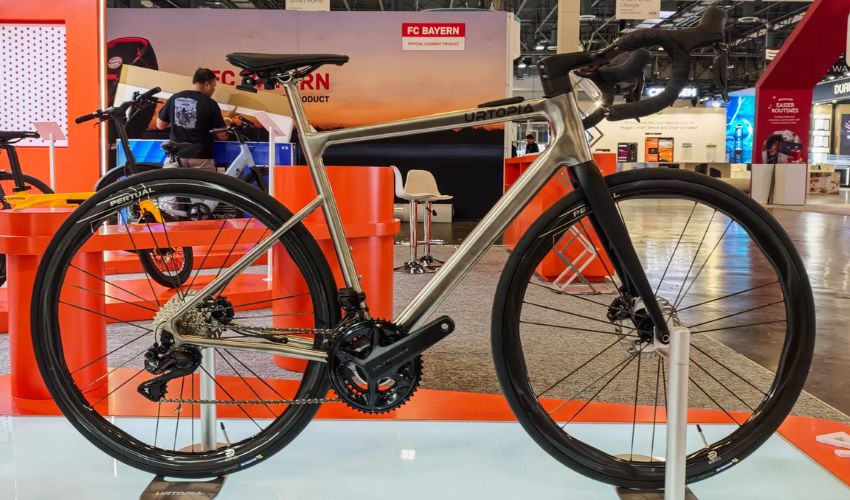 ApplicationsUrtopia Titanium Zero: The Ultralight Electric Bike Designed Using 3D PrintingIn recent years, the electric bicycle has undergone a veritable revolution, becoming an increasingly popular transportation solution. The rise of innovative technologies, such as additive manufacturing, has enabled the development of increasingly high-performance models, combinin
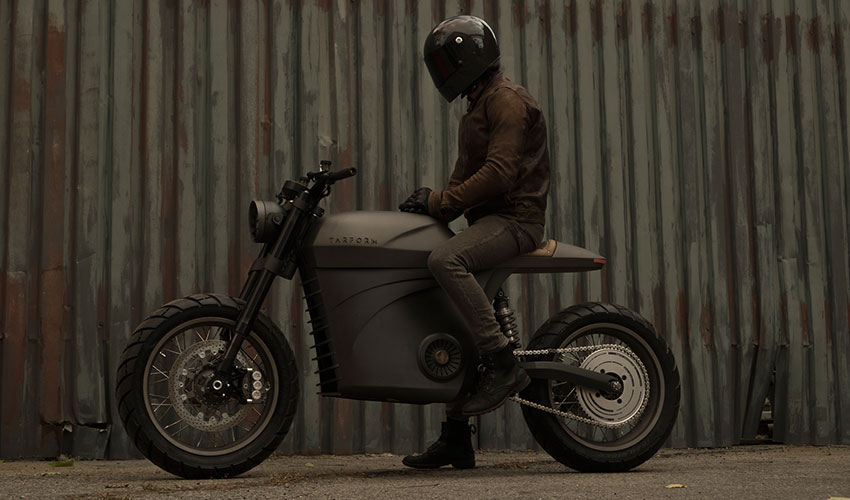 ApplicationsTarform Motorcycles, developing electric motorcycles thanks to 3D printingTarform Motorcycles is a Brooklyn-based startup that specializes in motorcycle development using new technologies. And it’s no surprise that 3D printing is part of the deal. The objective of the company is to design motorcycles based on the latest trends…
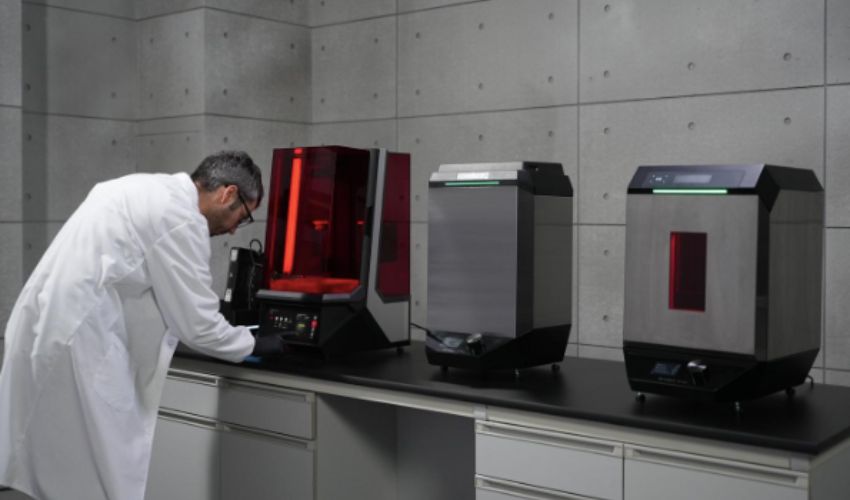 PrintersRaise3D Launches Its First Resin 3D PrinterWhile the additive manufacturing world gathers in Frankfurt for Formnext 2023, it is no surprise that many companies use this opportunity to unveil their newest and most cutting-edge products. The annual event brings together industry players, big and small, from…
 News3D Technologies Could Help Save Endangered Freshwater MusselsOne of the greatest challenges facing biologists is preserving the world’s delicate biodiversity by saving endangered animals. We have all heard of the most famous examples like black rhinos, mountain gorillas, African forest elephants, orangutans and of course hawksbill se
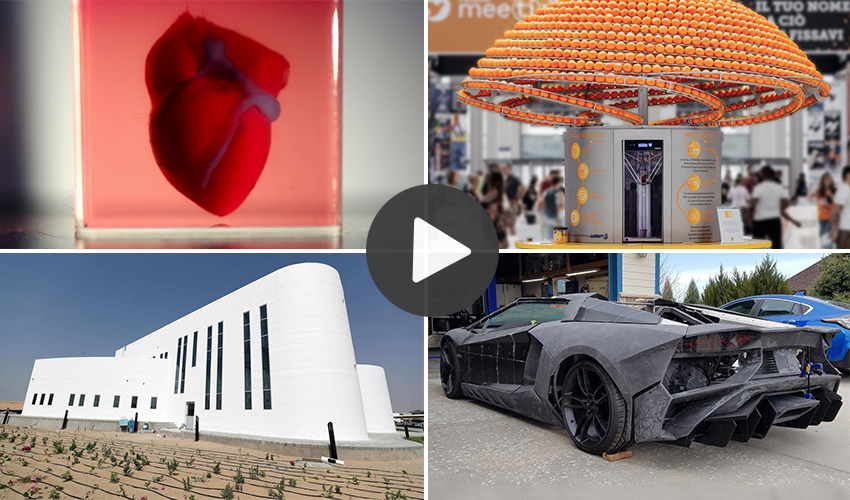 NewsThe best 2019 videos about 3D printing!2019 has been a year full of exciting developments for the additive manufacturing industry across all sectors. New machines have been introduced to the market, many applications have broken records, better performing materials have been developed, etc. Fortunately, most of&hellip