Guides
What Are the Most Innovative 3D Printing Applications in the Automotive Sector?
Among the application sectors in which we find additive manufacturing technologies, the automotive industry is one that is most taking advantage of them. AM allows large automotive companies to reduce costs, time and weight when producing complex parts. In addition,…
- 3 min read
- Guides
- Six more stories
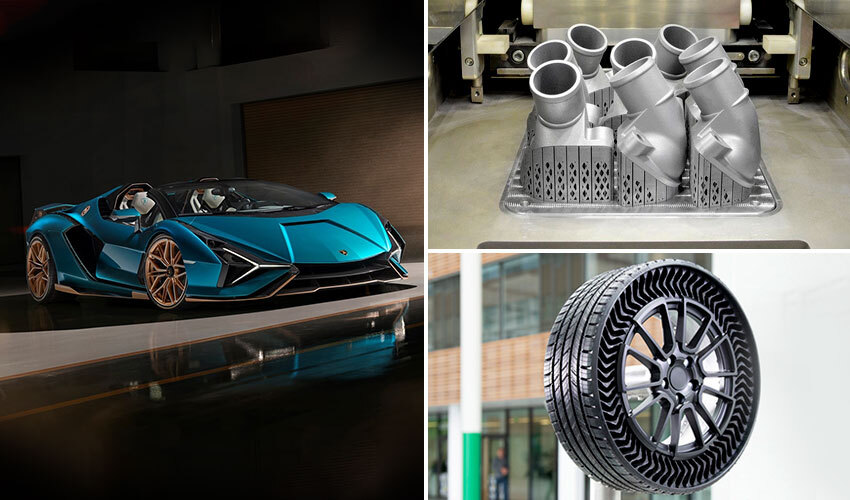
Among the application sectors in which we find additive manufacturing technologies, the automotive industry is one that is most taking advantage of them. AM allows large automotive companies to reduce costs, time and weight when producing complex parts. In addition, it also allows greater customisation at the design level. Given the significant growth that 3D printing is experiencing in the automotive industry, it is expected that by 2028 the figure will reach $12.4 billion. To better understand the impact that the integration of this technology is having on the industry, we have compiled a list of the major companies that use 3D printing in the automotive sector, as well as their various applications. The companies have been listed in alphabetical order.
Audi accelerates automotive design
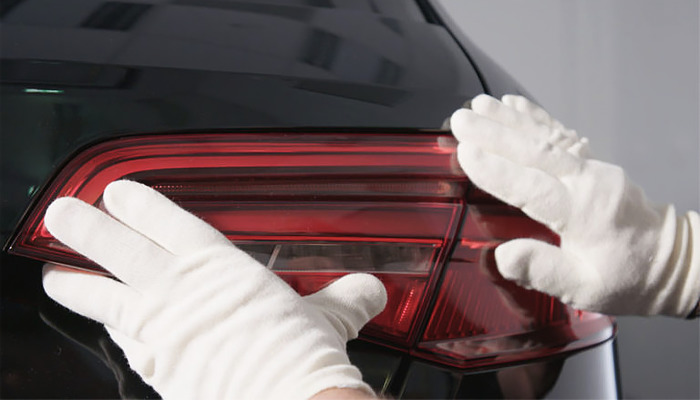
Audi is a German multinational dedicated to the manufacture of top-of-the-range sports cars, and has been part of the Volkswagen group since 1965. A few years ago, the company decided to use Stratasys solutions with the aim of accelerating automotive design. PolyJet technology allowed Audi to develop and evaluate different prototypes before producing the parts of a vehicle. By incorporating the J750 3D printer into its line, the manufacturer was able to extend the production of models such as wheel covers, grilles, door handles or even rear light cabs, which are usually made of transparent plastic. With 3D printing, they were able to speed up automotive design and creation of final parts, meeting the demands of their customers.
Bentley Created More than 15,000 3D Printed Parts in 2021
The British car manufacturer Bentley is not only known for its renowned car bodies, but also for its ambitions to expand 3D printing applications for automobiles. Thanks to an investment of more than 3 million euros, the company was able to manufacture more than 15,000 components in 3D in 2021, saving time in design and manufacturing and minimizing waste. In addition to the process and economic advantages that Bentley derives from the use of additive manufacturing, its customers also experienced significant addded value. For example, thanks to 3D printing, they can have components produced in a completely individual and personalized manner.
More from the desk
Six other notes from the rest of the bench.
 GuidesAnimal Alternative Technologies Uses 3D Printing for Ethical Meat ProductionAlong with dairy production, the meat industry is now known to account for 83% of agricultural land use and produces 18 per cent of greenhouse gases, including methane and nitrous oxide. What’s more, a study from the University of Oxford…
 NewsWEBINAR: Benefits of 3D Printing with Composite ABS FilamentsOver the years, materials compatible with 3D printing technologies have been expanding to enable more applications, especially in industrial sectors that require technical-grade materials. In fact, many studies report that material choice is one of the key drivers of the…
 ApplicationsTech-Driven Dental Hygiene: Proclaim Custom-Jet Oral Health System and 3D PrintingIn the realm of dental care, the fusion of health and technology has given rise to the Proclaim Custom-Jet Oral Health System, a groundbreaking innovation facilitated by additive manufacturing. Proclaim spearheads this revolutionary flossing approach, harnessing the power of 3D&h
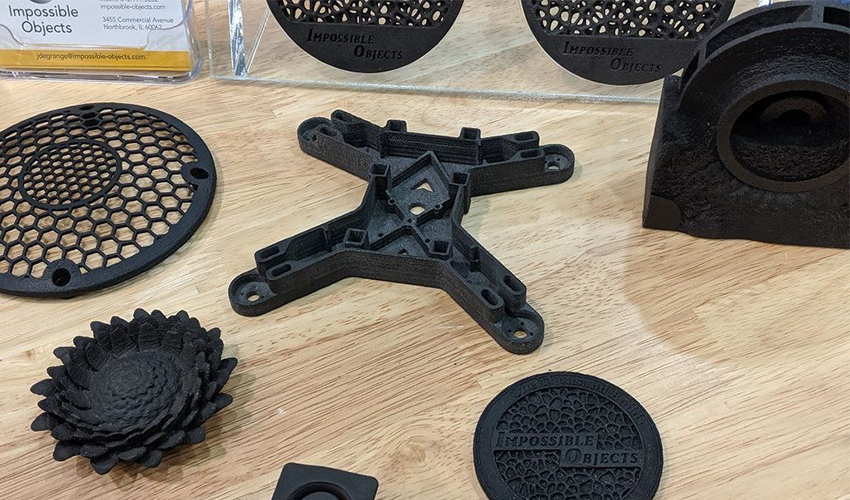 MaterialsRicoh 3D and Impossible Objects Develop New Composite MaterialsMore and more companies specializing in additive manufacturing are turning to composite materials to develop parts. And that’s exactly why Ricoh 3D, a Japanese 3D printing service provider, has teamed up with composite 3D printer manufacturer Impossible Objects. This collab
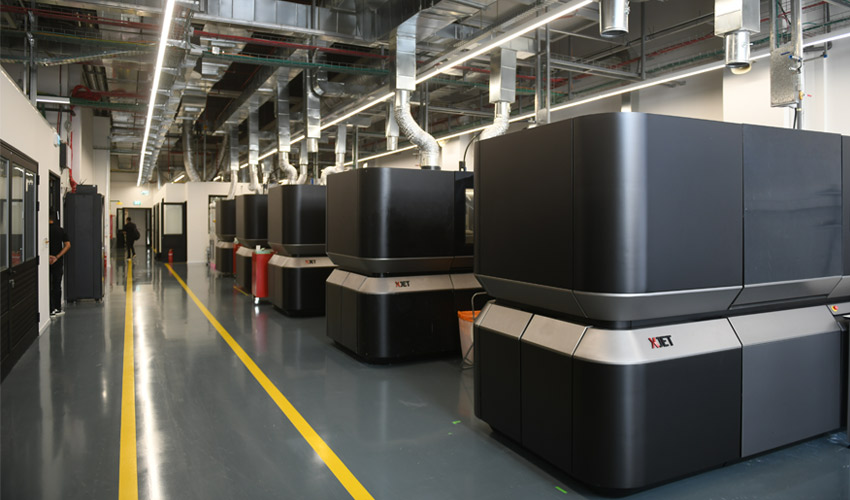 PrintersXJet opens its metal and ceramic additive manufacturing centerLast Monday in Rehovot, Israel, the XJet manufacturer opened its new additive manufacturing center, one of the largest in the market. With its 9 3D metal and ceramic printers, the Israeli actor intends to accelerate its research and offer a complete…
 NewsAdditive Manufacturing Gears Up for Increased Volume Production and Specialized MaterialsRecently, Protolabs released a comprehensive report shedding light on the latest trends within the additive manufacturing market, spanning uses, innovations, and key statistics. According to the report, the printing market is projected to soar to $28.07 billion by 2024 and&hellip