News
MX3D and Schindler Have Used 3D Printing to Design an Elevator
What began in 1857 in the Haughwout department store in New York has become an indispensable part of our lives: the passenger elevator. However, we realize that although we are in one almost every day, it rarely leaves a lasting…
- 3 min read
- News
- Six more stories
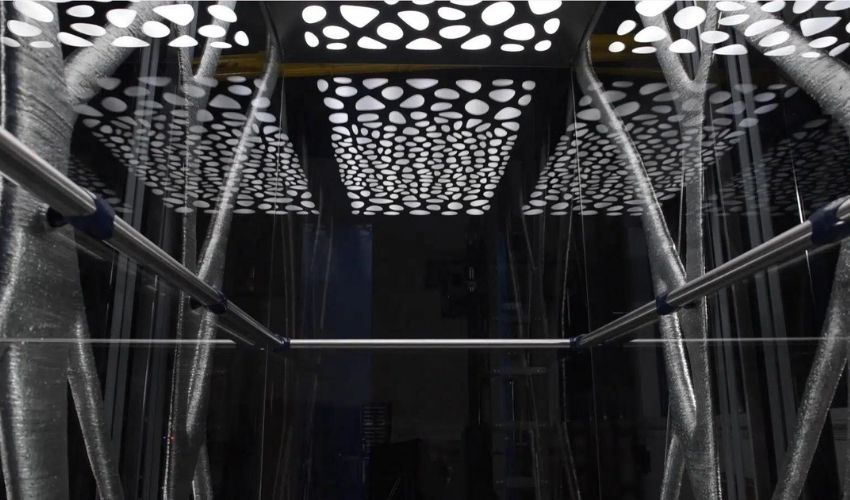
What began in 1857 in the Haughwout department store in New York has become an indispensable part of our lives: the passenger elevator. However, we realize that although we are in one almost every day, it rarely leaves a lasting impression. Although some high-rise buildings or hotel lobbies have fancy elevators that catch the eye with transparent floors or gold ornaments, these are the exceptions. That’s why the Swiss company Schindler, known as one of the leading manufacturers of elevators, is joining forces with MX3D, the company that installed a 3D-printed metal bridge in Amsterdam, to make elevators eye-catching again. This is to be achieved by integrating an artistic element within the elevator car, produced using metal 3D printing. We wanted to know what the project is all about and what the two companies expect from the collaboration.
MX3D is an additive manufacturing solutions provider from the Netherlands with the goal of establishing the benefits of 3D metal printing in new industries. MX3D is therefore committed to providing smart, robust and easy-to-use robotic technologies for additive manufacturing that enable industry partners to 3D print large objects in metal using WAAM (DED). Among those partners is Schindler. The elevator and escalator manufacturer has been in business since 1874 and transports one and a half billion people every day.
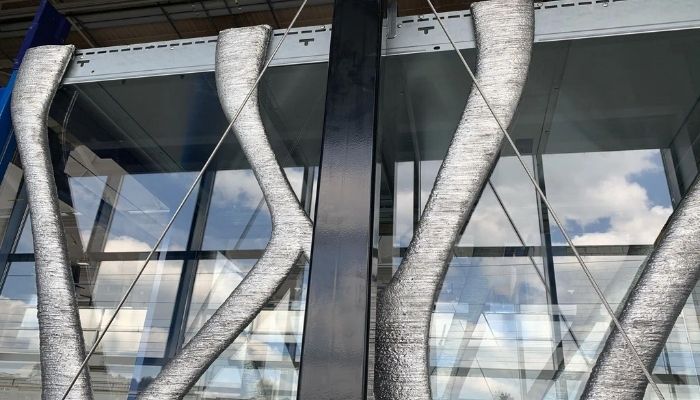
Because standing still would contradict the company’s philosophy, the company is now relying on the use of additive manufacturing. With the help of the technology, the company not only hopes to realize creative designs in the interior of the cabs, but also sees potential for reducing material, which ensures that the elevator weighs less. And that inevitably leads to another positive aspect: less energy consumption.
More from the desk
Six other notes from the rest of the bench.
 Software#3DStartup: Handddle Structures and Industrializes the Uses of 3D PrintingHandddle is a French startup that has developed a software solution and a 100% configurable manufacturing microfactory, allowing additive manufacturing users to structure and industrialize 3D printing processes and functions. Based in Bordeaux, the startup supports professionals
  NewsTop 5 Videos: A solution to optimize 3D printing parametersThis week we found the top 5 videos about 3D printing and the way additive manufacturing is changing production. The technology has infiltrated many sectors, from medical to automotive – check our selection of the week to keep up with the innovations! If you enjoy these, you&hell
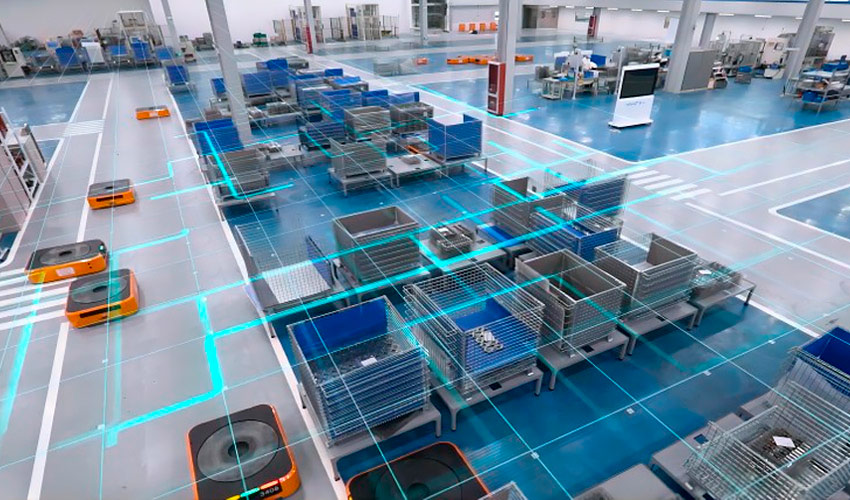 MaterialsShanghai Electric Adopts High-Performance 3D Printing Solution From IEMAI and VictrexHigh-performance plastics for additive manufacturing are seeing significant demand at the industrial level. Many companies are already taking advantage of 3D technologies and advances in materials to produce parts with higher mechanical properties. One such company is Shanghai El
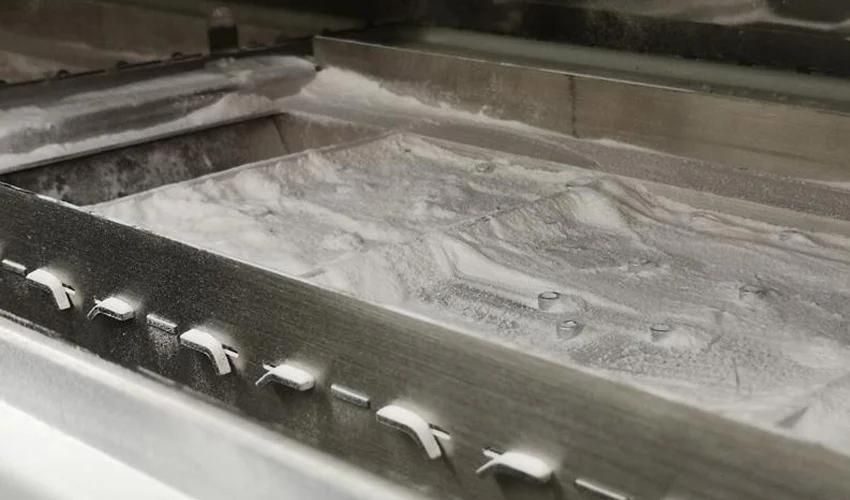 PrintersMulti-Material SLS 3D Printing: A Reality Thanks to Sharebot?Italian manufacturer Sharebot has announced a new update for its SLS SnowWhite2 3D printer that will allow users to mix two materials during a single print. Specifically, they will be able to design parts with two polymer powders from the…
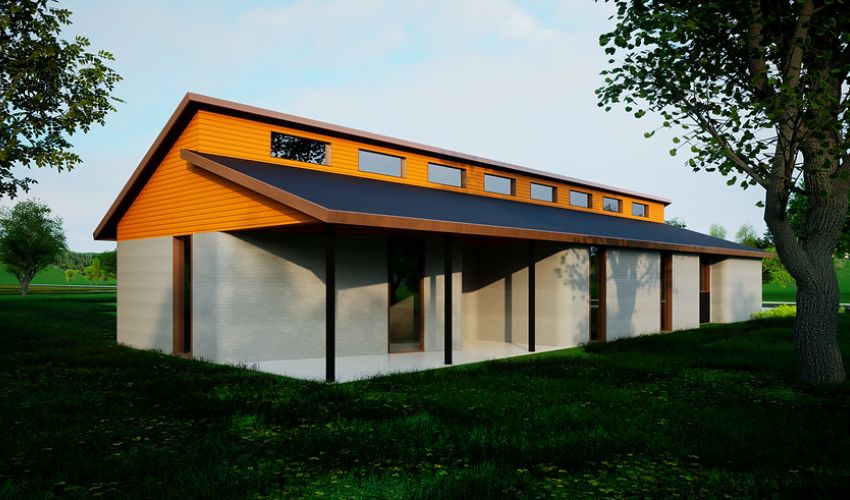 NewsLuyten 3D Printed Home in Australia is a Southern Hemisphere FirstThe 3D printing construction sector continues to make waves around the world, with recent projects cropping up in the news from Denmark, Japan, and the Caribbean, among others. This time, news of 3D printed concrete constructions comes to us from…
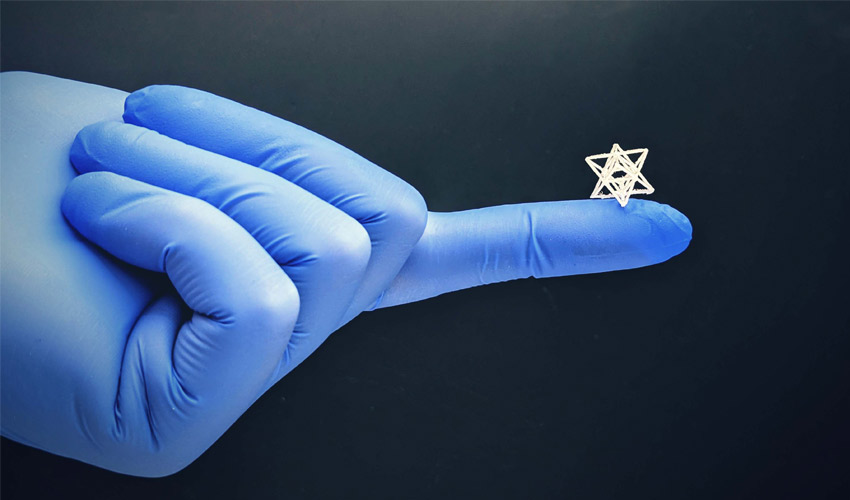 ApplicationsRMIT Research Team Develops New Method for Designing Implants Using Bioprinting and Injection MoldingAt the Royal Melbourne Institute of Technology (RMIT University), a team of researchers, along with doctors from St Vincent’s Hospital in Melbourne, have developed an innovative method for bioprinting medical implants. Instead of designing scaffolds on which cells will mult