Applications
3D Printing in Aeronautics: BAE Systems acquires another Stratasys 3D printer
Aerospace is one of the first sectors to have used additive manufacturing, in particular metal 3D printing, whether to produce prototypes, spare parts or end-use parts. It includes the production of turbines, engine parts, aircraft seats, and more. Additive manufacturing…
- 3 min read
- Applications
- Six more stories
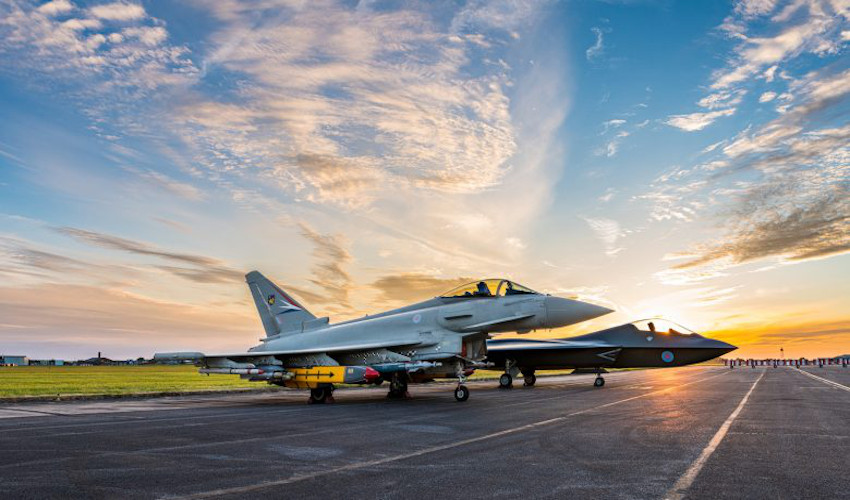
Aerospace is one of the first sectors to have used additive manufacturing, in particular metal 3D printing, whether to produce prototypes, spare parts or end-use parts. It includes the production of turbines, engine parts, aircraft seats, and more. Additive manufacturing is becoming more and more popular in the sector because it enables the designs to be more complex and lighter at the same time, not to mention the speed and reduced cost of production. However, we know that nowadays AM went far beyond aeronautics – be it land vehicles or complex ships, the manufacturers are incorporating 3D printing in their operations, and BAE Systems is no exception.
BAE Systems is a multinational aerospace, defense and security giant based in the UK. They design, manufacture, and support complex surface ships, combat vehicles, artillery systems, missile launchers, and combat and trainer aircrafts. In other words, they cover the Land, Air, and Sea defense and security. Since innovation and efficiency are key for their operations, BAE Systems had embraced the value of AM technologies as early as 20 years ago; and by 2016, the British company had already 3D printed more than 2,500 parts. Among other things, the company has integrated 3D printed components into the Typhoon fighter aircraft; for example, the 3D printed cockpit floors for the Typhoon were made from ABS (Acrylonitrile Butadiene Styrene) and ASA materials.
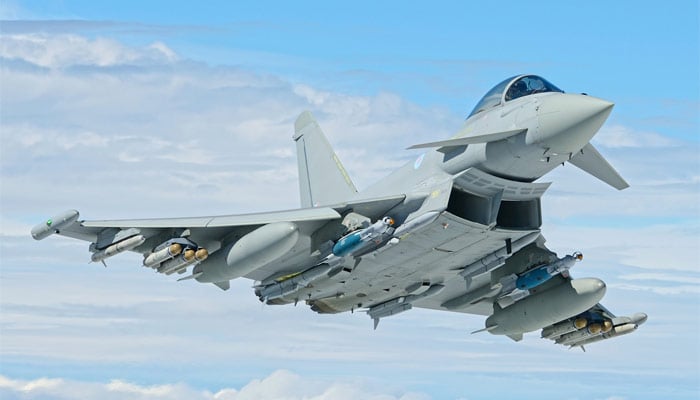
Additive manufacturing enabled BAE Systems to design the Typhoon fighter aircraft. (Credits: BAE Systems)
Earlier this year, BAE Systems announced that they signed a new agreement with Renishaw. They invested in several Renishaw 3D printers at its product and process development center in Samlesbury, Lancashire. That is in addition to various solutions from Stratasys, with who they have quite a long history of collaboration – it all began in 2006 with BAE deciding to invest in Stratasys’ 3D printing technologies.
More from the desk
Six other notes from the rest of the bench.
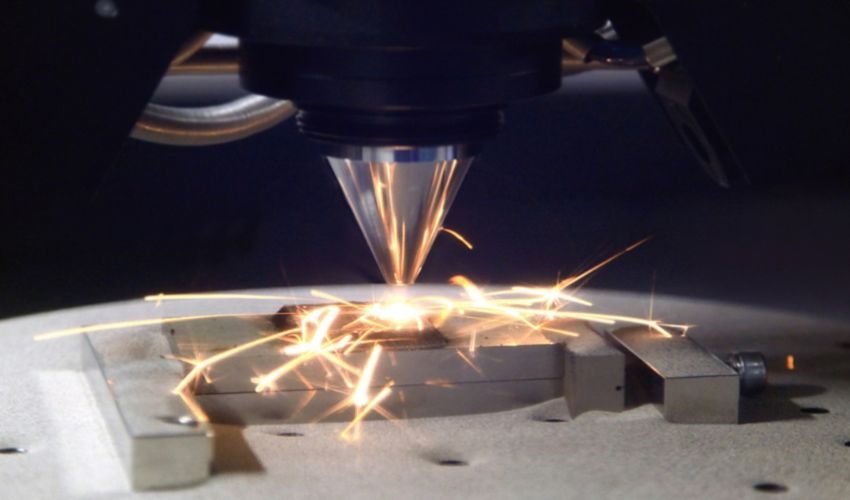 NewsWhat Are the Future Trends of Additive Manufacturing in Europe?In recent years, the additive manufacturing market has clearly shown its potential as trends begin to emerge. And since a technology like additive manufacturing never stands still, we can also always look forward to new trends, developments and opportunities. This…
 NewsChanel creates brush using 3D Printing !Chanel, one of leading luxury brands in the world has entered into 3D printing. In recent times 3D printing has been enabling fashion houses and individual designers to print their jewelry and other fashion related items through 3D printing technologies.…
 ApplicationsVolvo Embraces 3D Printing With Titomic’s Cold Spray TechnologyRepeatedly, we’re exposed to the groundbreaking applications of 3D printing within the automotive and transportation industries, showcasing the immense potential of this technology. Numerous car manufacturers have embraced additive manufacturing in their production processe
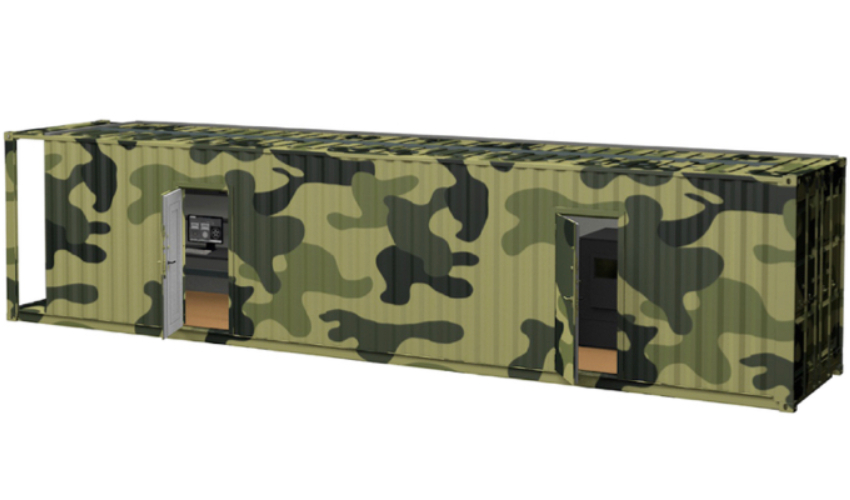 NewsThe U.S. Department of Defense Awards ExOne Contract to Develop Military 3D Printing Factory PodThe Defense Logistics Agency (DLA) of the U.S. Department of Defense (DoD) has awarded ExOne with a contract to develop a fully operational 3D printing factory pod in a shipping container. Since the $1.6 million contract was awarded in August…
 NewsGE Renewable Energy Has Inaugurated a Center Dedicated to Concrete 3D Printing for its wind turbinesIn the town of Bergen, New York, GE Renewable Energy has opened a research center dedicated to using concrete additive manufacturing to design the base of its wind turbine towers. The goal is to create the lower sections of these…
 Guides#Working3D: Six Questions for a 3D Printing Biomedical EngineerToday we bring you a new installment of #Working3D, the series of articles in which we give insight into the different jobs available in the additive manufacturing industry. Specifically, we will go into detail on a position in one of…