Applications
Aston Martin Uses 3D Printing and Carbon Fiber to Make the New DBR22
Seduced by the advantages offered by the technology, many companies in the automotive sector have started to opt for additive manufacturing. From Bugatti to Porsche to Chevrolet and many others, industry players are no longer hesitating to use 3D printing…
- 3 min read
- Applications
- Six more stories

Seduced by the advantages offered by the technology, many companies in the automotive sector have started to opt for additive manufacturing. From Bugatti to Porsche to Chevrolet and many others, industry players are no longer hesitating to use 3D printing in the design of everything from buses to luxury vehicles. Most recently, it was the famous British car manufacturer Aston Martin that made the news. During the Pebble Beach Concours d’Elegance held from August 19 to 22 in California, the company will present its latest model, the DBR22. Imagined to celebrate the tenth anniversary of Q by Aston Martin, a division of the brand offering supercars, the latest car of the company is distinguished mainly by its design, but also by its lightness due to the integration of 3D printed parts.
Roberto Fedeli, Aston Martin’s technical director, reflects on the car’s manufacturing process and features, “Technology is pivotal in the construction of DBR22, with extensive use of carbon fibre throughout, and the use of 3D printing for the manufacture of a structural component. As such DBR22 showcases Aston Martin’s unique capabilities, with world-class design combined with an agile, intelligent approach to engineering and production. For a car that was designed to celebrate the ultimate bespoke customisation service, the engineering developments mean DBR22 truly has the dynamic theatre to match, ensuring the drive is just as addictive as its looks.”

Photo Credits: Aston Martin
Additive Manufacturing and the Automotive Sector
While Aston Martin does not specify which 3D printers were used, the company says it used carbon fiber to design the car’s rear subframe, the first time Aston Martin has turned to the technology for the part. They also chose to use a composite material, specifically carbon fiber, thanks to which the structural component offers strength and lightness. And this material choice should come as no surprise. For several years now, this material has been gaining popularity in the additive manufacturing sector. Allowing the design of extremely strong parts while reducing their weight, carbon fiber-filled materials are now present in various sectors, such as footwear and cycling.
More from the desk
Six other notes from the rest of the bench.
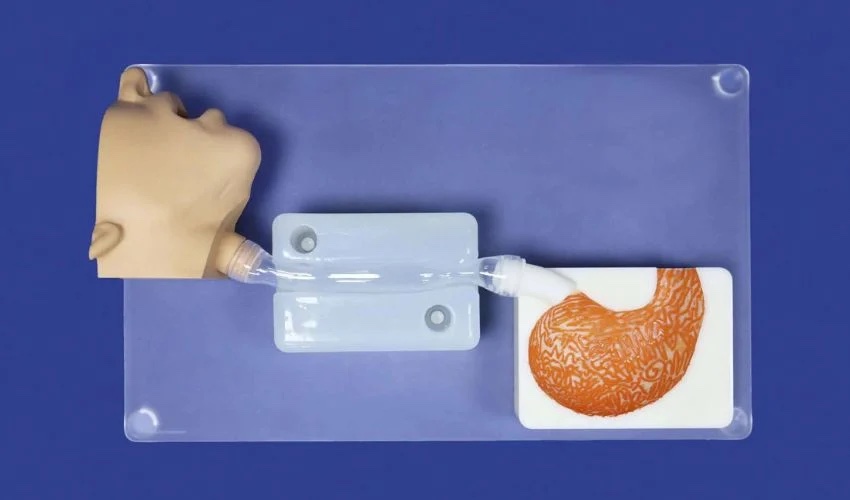 ApplicationsMedScan3D Talks Creating Customized Anatomical Models Using 3D PrintingSurgical planning has come a long way in recent years, thanks in particular to new technologies used in the medical sector. Practitioners can now rely on digital tools to visualize pathologies in 3D, all in a personalized way to improve…
 News3D Printing Accelerates Social Housing Construction in Ireland by 35%Some of construction 3D printing’s greatest benefits include that the technology can often build structures faster and cheaper than traditional building methods. That said, it is logical to adopt the technology for social housing. In Grange Close, Ireland, the company&helli
 MaterialsNew Sustainable Resin for 3D Printing Developed at Penn StatePennsylvania State University, better known as Penn State, has often been cited as being at the forefront of numerous advances in 3D printing technologies, such as recent research utilizing 3D printing in the fight against breast cancer. Now, a team…
 PrintersFrom Prototyping to Production: HeyGears Launches the New Generation Reflex 2 Series 3D PrintersThe Chinese manufacturer HeyGears has announced the launch of its new Reflex 2 Series resin 3D printers. These additions expand the company’s long-standing portfolio and ecosystem dedicated to resin 3D printing technologies. The range includes two models, the Reflex 2…
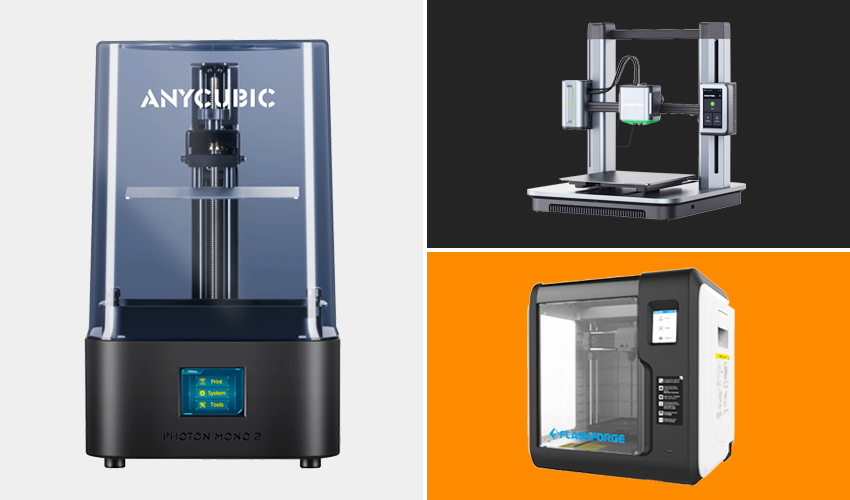 PrintersThe Best 3D Printers to Buy on AmazonAmazon is undoubtedly one of the world’s largest e-commerce platforms, with hundreds of thousands of products, from books to furniture to fashion accessories and…3D printers. The company is in fact a major distributor of 3D equipment, offering different technologies a
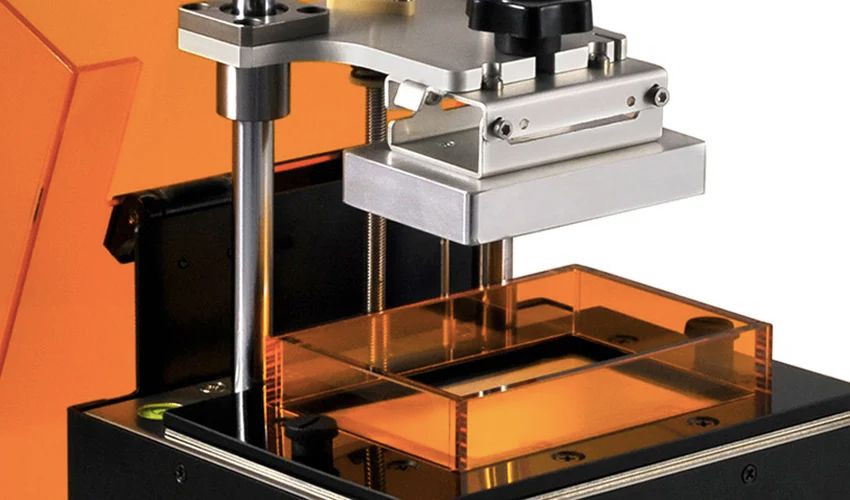 NewsNanoDLP, The Platform That Prepares, Controls And Monitors Your Resin 3D PrinterThe use of software that assists the user during the manufacturing process is very important in the 3D printing industry. From the preparation of the digital file, to the lamination process, to the control of the printing in real time.…