Printers
From Prototyping to Production: HeyGears Launches the New Generation Reflex 2 Series 3D Printers
The Chinese manufacturer HeyGears has announced the launch of its new Reflex 2 Series resin 3D printers. These additions expand the company’s long-standing portfolio and ecosystem dedicated to resin 3D printing technologies. The range includes two models, the Reflex 2…
- 3 min read
- Printers
- Six more stories
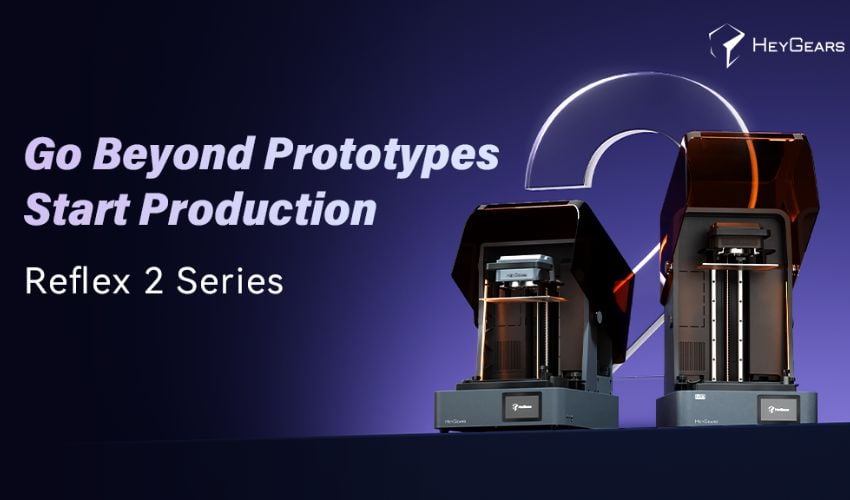
The Chinese manufacturer HeyGears has announced the launch of its new Reflex 2 Series resin 3D printers. These additions expand the company’s long-standing portfolio and ecosystem dedicated to resin 3D printing technologies. The range includes two models, the Reflex 2 and Reflex 2 Pro, both designed to move beyond simple prototyping and into production. The Pro version, in particular, targets larger end-part manufacturing, offering a bigger build volume and enhanced surface quality control. With this launch, HeyGears aims to provide professionals with more reliable tools to turn their ideas into reality.
Resin 3D printing has gained popularity in recent years thanks to its precision, high level of detail, and the growing variety of available materials. The market now includes a range of players, particularly desktop printer manufacturers aiming to make the technology more accessible and user-friendly. Among them is HeyGears, known for its 3D printers with automated features tailored to the dental industry and its consumer and small to medium business facing Reflex Series printers, a range of smart and reliable desktop machines that deliver professional quality 3D printed results.
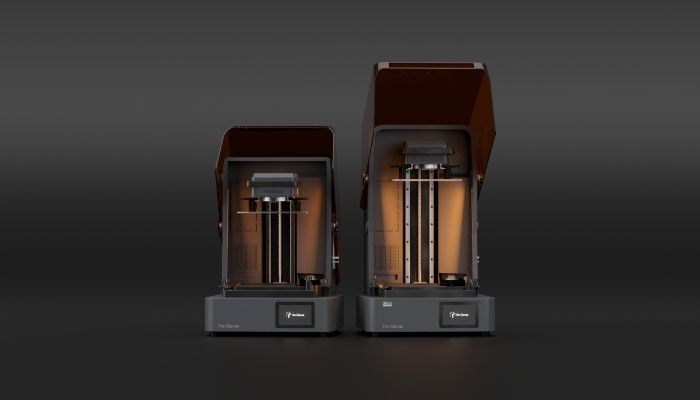
The two new printers from HeyGears
Focus on the Reflex 2 Pro
The manufacturer has expanded its lineup with the Reflex 2 Pro, a 3D printer featuring a print volume of 230 x 144 x 350 mm, which is 2.3 times larger than its predecessor, offering a Z-axis height of 35 cm. One of its most notable innovations is the “1032 OptiZone Light Engine,” which consists of 1,032 individually controlled light zones. This system enables more precise light projection, resulting in optimized resin curing, improved surface consistency, and reduced resin residue.
More from the desk
Six other notes from the rest of the bench.
 NewsWeerg and Ursus Worked Together to Make a Custom Handlebar With Additive Manufacturing3D printing is becoming increasingly popular in all industries where customization, design and performance meet. The ability to create complex structures as well as to use 3D printing for rapid prototyping and thus to test materials and properties quickly and…
 Guides3D Printing Applications in the Fight Against Breast CancerBeing a woman is the biggest risk factor for developing breast cancer. Even though men are not immune to this type of cancer and around 1% are diagnosed with it every year, breast cancer was the most common cancer in…
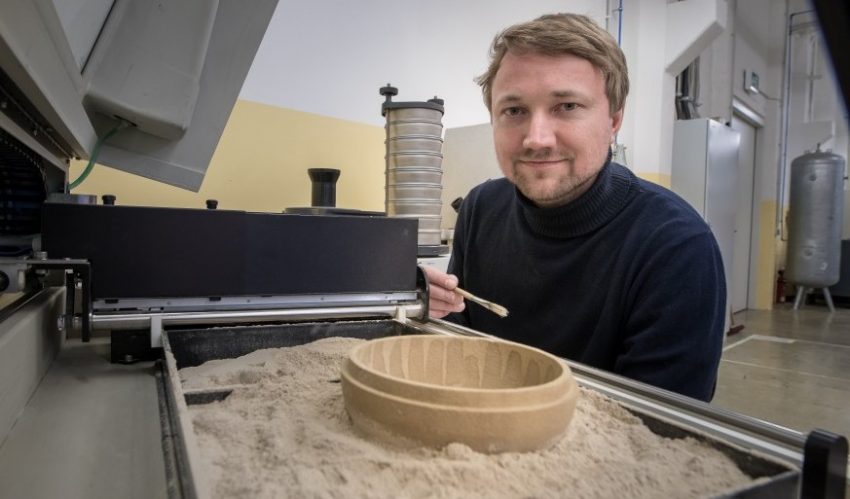 Materials3D Printing using Apricot Cores: AMtopus3D printing innovations seem to be occurring at a faster and faster rate. One of the most exciting innovations are the amount of new materials being developed for 3D printing. Recently however, we’ve seen chocolate, metal, wood, and more able…
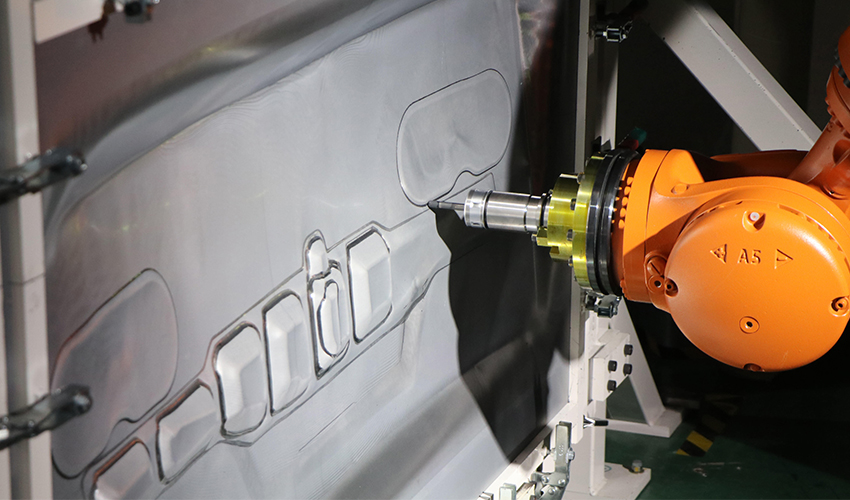 NewsSolize Corporation and HP Partner with Nissan to Create Aftermarket PartsOnce again, the automotive and additive manufacturing industries are working together. As part of Nissan’s NISMO Heritage Parts program, Solize and HP are working together to produce 3D printed aftermarket parts for the Skyline GT-R R32 / R33 / R34. And…
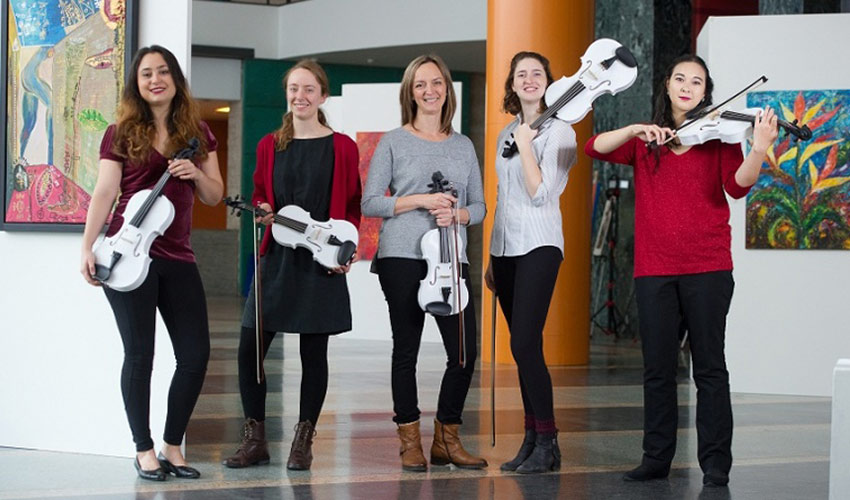 News3D printed instruments in the Ottawa Symphony OrchestraThis is news that should interest all musicians and music enthusiasts quit a lot. The Ottawa Symphony Orchestra now incorporates 3D printed string instruments. A project that aims to show how we can create new sounds and instruments thanks to new…
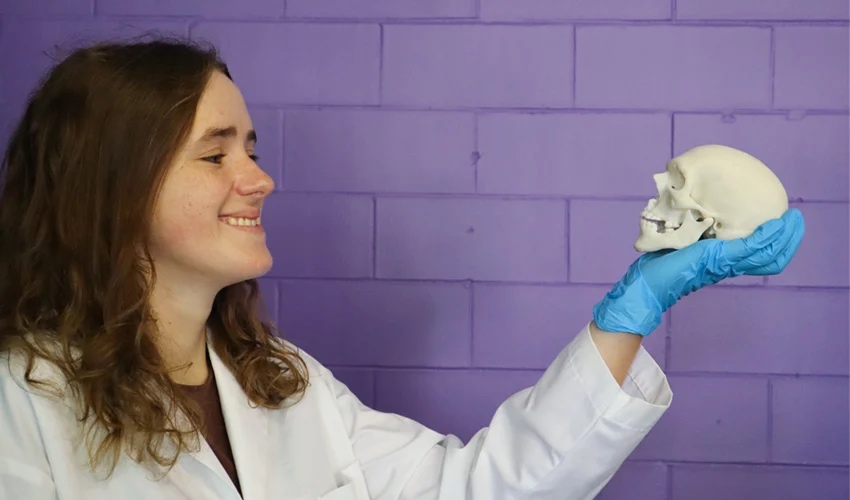 ApplicationsApplication of the Month: A New 3D Printing Material to Create Bone GraftsAs research into 3D printing materials progresses, more and more innovative projects are emerging in a multitude of sectors. This time, we want to highlight a medical application linked to additive manufacturing that was carried out by researchers at the…