News
Lawrence Livermore’s AI Vision System Catches Direct Ink Writing Defects Mid-Print
Direct ink writing is one of those 3D printing technologies that has a process that can vary significantly. It’s not very commercialized, and mostly reserved for research labs. Now, a team of scientists and engineers at Lawrence Livermore National Laboratory…
- 3 min read
- News
- Six more stories
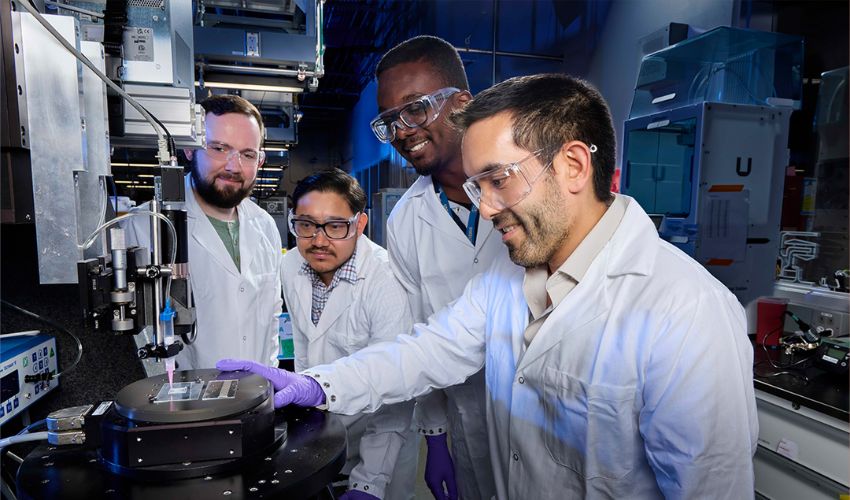
Direct ink writing is one of those 3D printing technologies that has a process that can vary significantly. It’s not very commercialized, and mostly reserved for research labs.
Now, a team of scientists and engineers at Lawrence Livermore National Laboratory (LLNL) in California have developed a camera-based inspection system that can monitor complex 3D-printed structures using AI and machine learning to measure small variations and potentially identify problems before a part leaves the printer. Described in npj Advanced Manufacturing, the system pairs printer-mounted cameras with machine learning and computer vision to turn thousands of in-print images into measurements and spatial maps of the deposited material.
Catching Problems Earlier
Direct ink writing can produce flexible cushions and pads that depend on strands only a fraction of a millimeter thick. Gaps, breaks or diameter changes can hurt performance.
More from the desk
Six other notes from the rest of the bench.
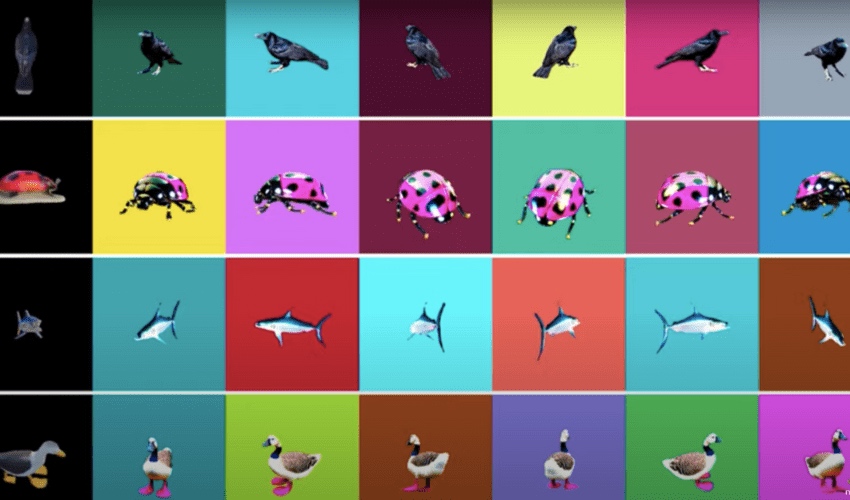 SoftwareLATTE3D, the AI Creating 3D Models in SecondsArtificial intelligence (AI) is a fast-growing technology that is increasingly being adopted in many aspects of our daily lives. AI algorithms are used in a number of sectors, including medical, automotive and 3D printing. In this context, NVIDIA recently unveiled…
 NewsTop 5 Videos: 3D printing self-contained structures for living and workingThis week we found the top 5 videos about 3D printing and the way additive manufacturing is changing production. The technology has infiltrated many sectors, from medical to automotive: check our selection of the week to keep up with the innovations! If you enjoy these, you&helli
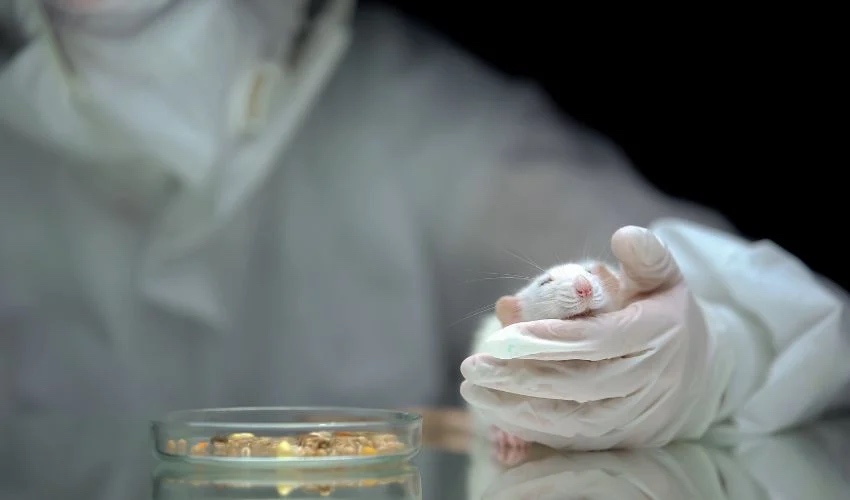 Applications$1.8M in Funding Given to 3D Print ‘Organ-on-a-Chip’ to Eliminate Animal TestingIn pharmaceuticals, the development of new treatments involves a long series of tests and strict government scrutiny. The arduous journey from theory to drug approval is fraught with challenges. One of the biggest is undoubtedly the current testing methods that…
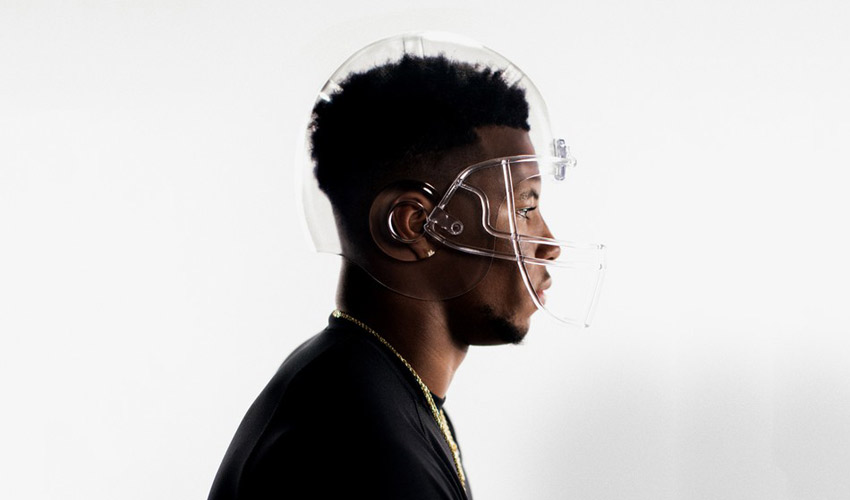 NewsThe Glass Helmet, a 3D printed helmet to see American football players“They will be seen“, this is the new promise of the Glass Helmet Project, a transparent 3D printed American football helmet for all professional athletes. The project, born from a collaboration between designer Victor Salomon and Uninterrupted, co-founded by star&hell
 NewsA wedding in the sign of 3D printingHave you ever imagined a 3D printed wedding? That’s the idea of Erin Winick, this young bride who works for the MIT Technology Review. She turned to 3D technologies to significantly reduce the cost of her wedding and thus create the most accessories possible,…
 GuidesBeyond Recruiter Buzzwords: How 20 Years in Additive Manufacturing Shapes Modern HiringIf you’ve been following 3Dnatives, you’ve probably come across Gil Lavi before. We first profiled him and his company, 3D Alliances, back in 2019, and again in 2024 when 3D Alliances launched IMPACT, a program to help additive manufacturing companies optimize their channel netwo