Software
AMFG on its end-to-end workflow management solution for autonomous AM
As companies start to adopt 3D printing at a larger scale, the need to adopt a tool to manage the additive manufacturing workflow is becoming greater. Any industry needs software to manage operations if it aims to be efficient and…
- 3 min read
- Software
- Six more stories

As companies start to adopt 3D printing at a larger scale, the need to adopt a tool to manage the additive manufacturing workflow is becoming greater. Any industry needs software to manage operations if it aims to be efficient and grow. In the 3D printing sector, the London-based company AMFG identified this need clearly and decided to offer AM workflow automation software for companies. Their software is a complete, end-to-end workflow management solution – What does this mean? What are the benefits of adopting such a solution? Which sectors are already benefitting from the adoption of automated software? In order to answer these questions, we spoke to the founder and CEO of AMFG, Keyvan Karimi.
3DN: Could you present yourself and your link with additive manufacturing?

Keyvan Karimi, Founder and CEO of AMFG
My background is in Industrial Engineering, in which I graduated. For a number of years, I worked across the automotive, retail and banking industries, leading global enterprise automation projects. I’ve been working professionally within additive manufacturing for over 6 years now — but I’ve always been fascinated by the technology’s potential. I truly believe that AM can revolutionise manufacturing and supply chains, and therefore have a profound impact on society.
3DN: Could you tell us more about AMFG? How would you describe the company to someone who doesn’t know what you do?
AMFG offers workflow automation software for additive manufacturing. AMFG stands for ‘Autonomous Manufacturing’, and that is our vision — to enable autonomous additive manufacturing through automation. The company was founded because we saw a crucial need in the market. The industry was making the shift towards manufacturing, and more and more companies were beginning to adopt 3D printing as they recognised the technology’s potential for applications other than prototyping.
More from the desk
Six other notes from the rest of the bench.
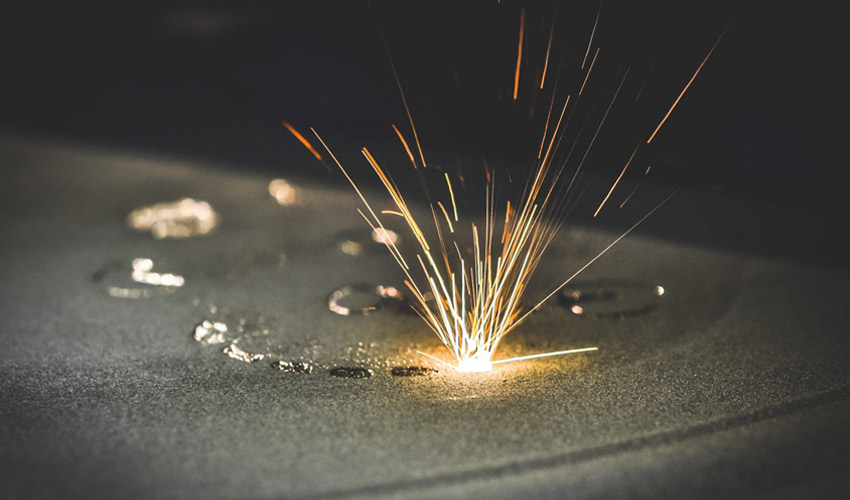 MaterialsAre powders a barrier to the development of metal additive manufacturing?Equispheres is a Canadian company that specialises in the development of metal powders, particularly for additive manufacturing technologies such as laser powder bed fusion or cold spray. Drawing on its experience on the market, Equispheres recently conducted a study investigatin
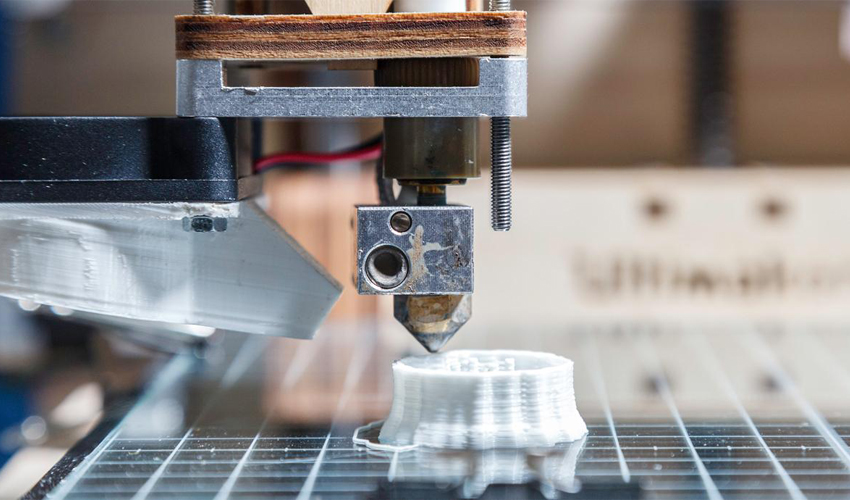 NewsWhat is the Forecast of Additive Manufacturing by 2022?Arizton – Advisory and Intelligence is an American consulting firm that recently published a study on the global outlook and forecasts for additive manufacturing. Following the recent Gartner Report, the report provides a global view of the market in terms…
 PrintersRedefine Meat raises $6M to bring its alternative meat 3D printer to marketBack in June, we shared with you the latest advancements in 3D printed meat. We had spoken to Redefine Meat, one of the key players in this market to learn more about the startup’s activities in the sector. The company…
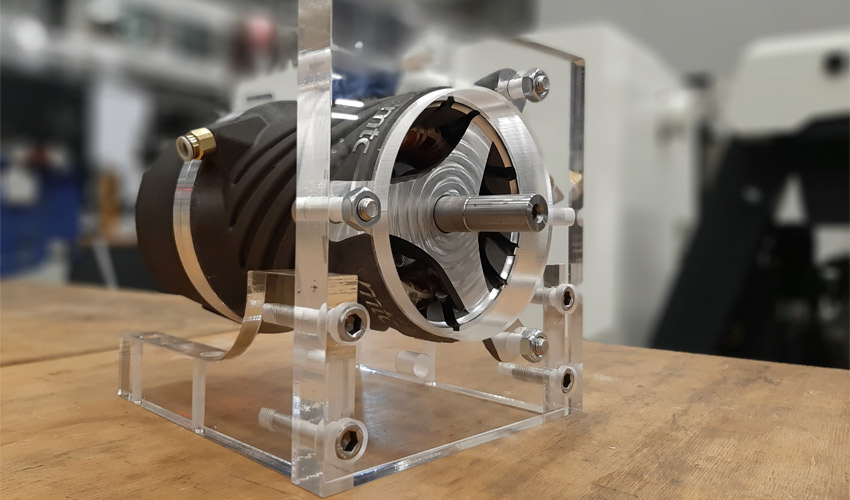 ApplicationsHas An English Research Center Found a Way to Commercialize a 3D-Printed Electric Motor?In England, the National Center for Additive Manufacturing (NCAM) has designed a 3D-printed electric motor, which they proclaim is the first of its kind. The motor consists of multiple 3D-printed parts. Furthermore, the motor has comparably more power, requires less…
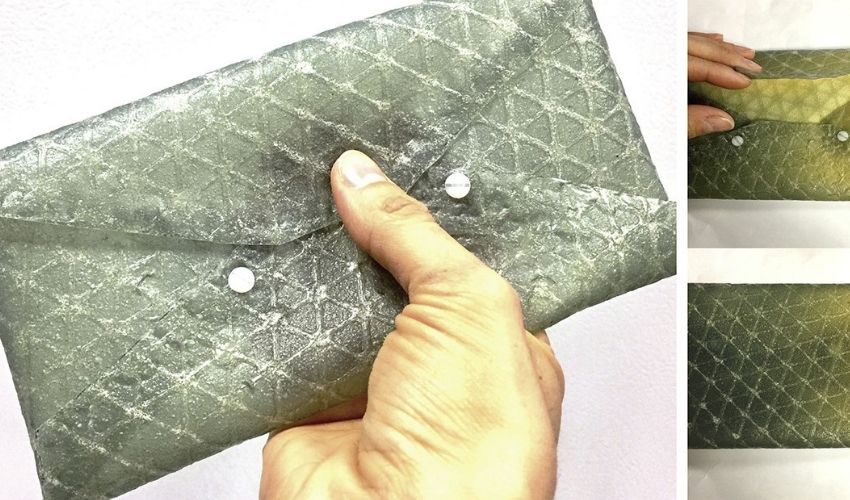 NewsTufts Researchers Develop Leather Alternative Thanks to 3D PrintingThe use of 3D printing offers different advantages for different industries. The ability to produce complex geometries with a variety of materials using 3D printing is highly relevant for artists and designers, among others. It often seems as if creativity…
 ApplicationsAre the resins used in dental 3D printing dangerous for reproductive health?At Northwestern University, a team of researchers developing the first female reproductive tract on a chip (EVATAR) in order to enable sex-based ex vivo (outside of the organism) research discovered something worrying about their “biocompatible” materials. While using