News
Dam Project in China to Be Worlds Largest Robotic 3D Print
China is already widely known for its focus on innovation and new technologies. Recently, the East Asian country announced, that it will be relying on additive manufacturing in addition to artificial intelligence to build a dam on the Tibetan Plateau.…
- 3 min read
- News
- Six more stories
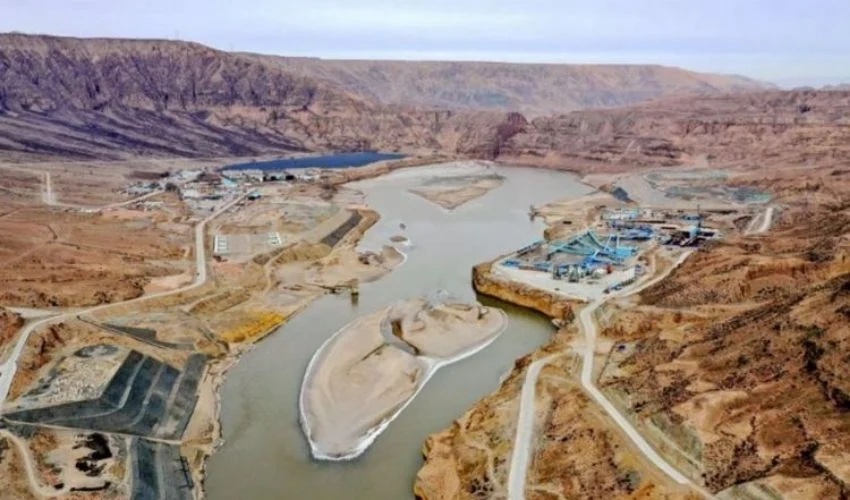
China is already widely known for its focus on innovation and new technologies. Recently, the East Asian country announced, that it will be relying on additive manufacturing in addition to artificial intelligence to build a dam on the Tibetan Plateau. What is surprising about the project is the fact that no human workers will be involved in the buliding of the dam. The construction, which is expected to be completed in the next two years, is also set to become the world’s largest 3D robot printing project.
The soon to be 3D printed dam stands out in a number of ways. Not only because of the innovative process, but also because of the environment in which it’s being built. Though large-scale additive projects have already been implemented in China, they have always relied on the support of skilled human workers. For example, the world’s largest 3D-printed pavilion and the first retractable 3D-printed bridge were both built in China. This time Chinese manufacturers are setting a different standard for dam building by completely dispensing with human workers. The project importantly shows what is possible when combining additive manufacturing with artificial intelligence in the field of construction.
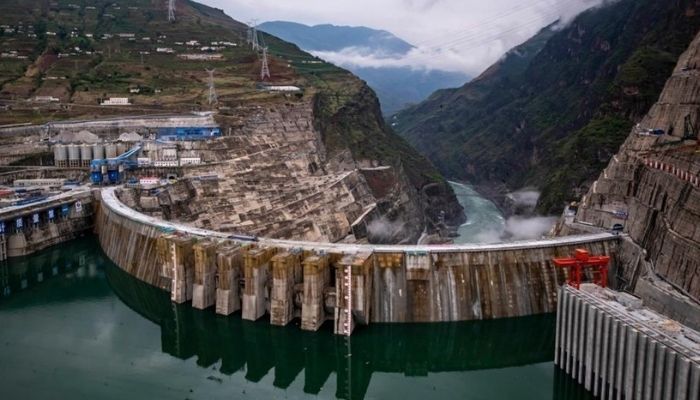
The dam is estimated to be having a total size of ~355′ ft (photo credits: Xinhua)
The World’s Largest 3D Printed Dam Built in China
The project, which is being carried out by the Science and Technology Department of Tsinghua University, is focusing on building the Yangqu Dam on the Tibetan Plateau layer by layer. After the two-year construction period of the dam, it will then be used to supply the Yangqu Hydropower Plant, which will provide the Chinese province of Henan with about 5 billion kWh of electricity every year. In concrete terms, this means that a total of 100 million people will be able to benefit from the 3D-printed dam, as it will secure their electricity supply. The electricity will be transmitted through a high-voltage transmission line of about ~4920ft, which has been built separately for the transmission of green energy aiming at sustainability. Liu Tianyue, one of the lead scientists of this project, comments that they want to “free people from heavy, repetitive and dangerous jobs” with this highly innovative project.
More from the desk
Six other notes from the rest of the bench.
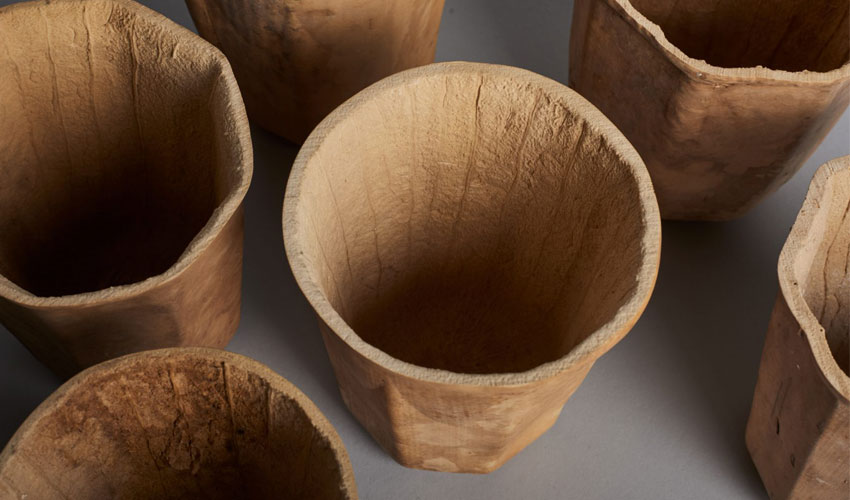 MaterialsHyO-Cups; vegetable cups designed with 3D printingWhat if you could create coffee cups from vegetables? This is the idea behind this project led by the design studio Crème that grew squash in molds to make biodegradable cups, called HyO-Cups. The reason for us talking about this initiative is…
 ApplicationsWill 3D Printing Be Used for the First Commercial Mission to Mars?If you have been following along for a while, you certainly know that additive manufacturing is playing an important role in the aerospace sector and especially in space travel. Already it is being used for applications in missions to both…
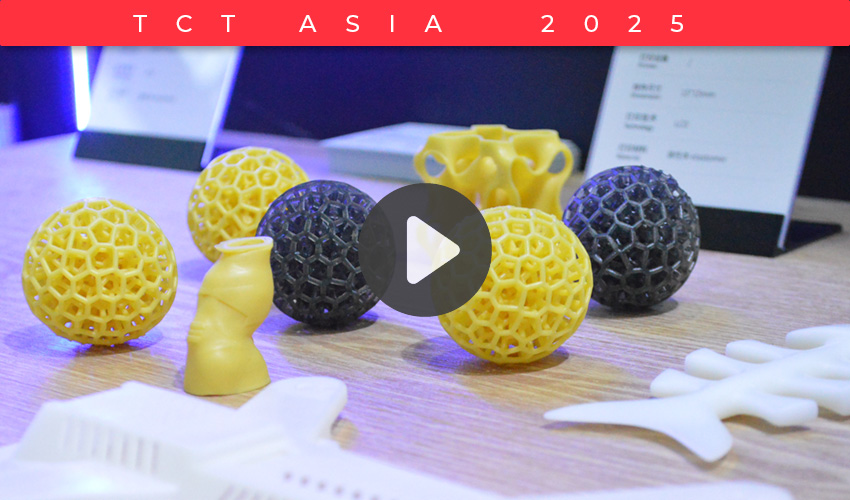 PrintersUnionTech on the Uses of SLA 3D Printing: From Tire Molds to Medical ApplicationsUnionTech, one of the leading 3D printing companies in Asia, has solidified its position in the market with innovative solutions tailored to the specific demands of various industries. During TCT Asia 2025, we had the opportunity to speak with Stanley…
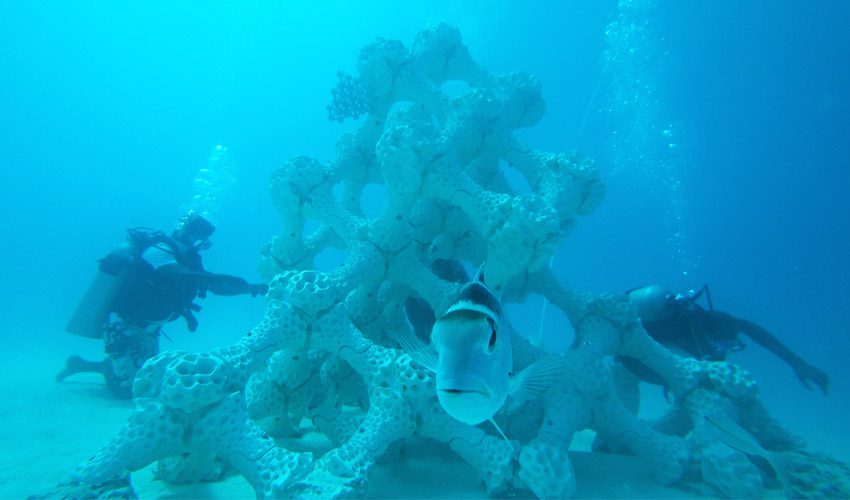 NewsA 3D printed coral reef has been successfully installed in the Indian OceanNot too far back, we presented you with a video of a 3D printed coral reef installed in the Maldives in one of our top 5 videos of the week. It is considered as the largest 3D printed reef by its…
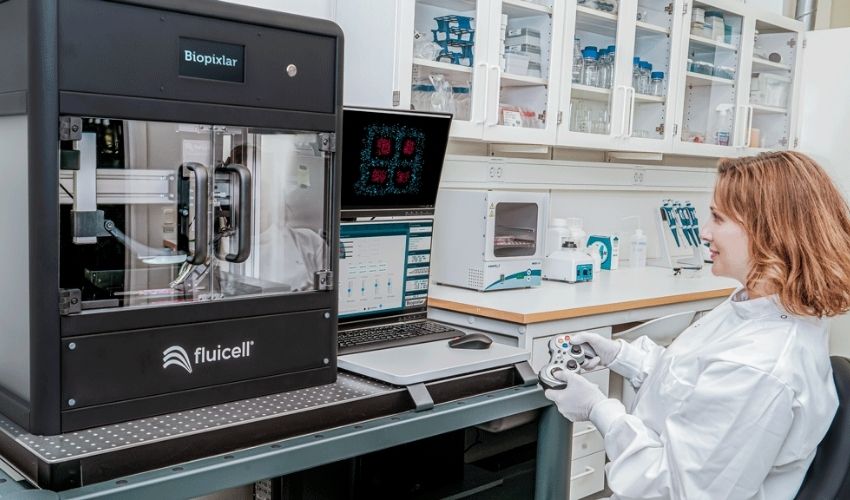 ApplicationsFluicell Develops Advanced BioPrinted Products for DiabetesThe field of medical bioprinting is rapidly advancing. Particularly, quite a bit of progress had been made in the medicinal application of 3D printing technologies for people living with diabetes. Companies have created 3D-printed pancreas models for childhood diabetes research,&
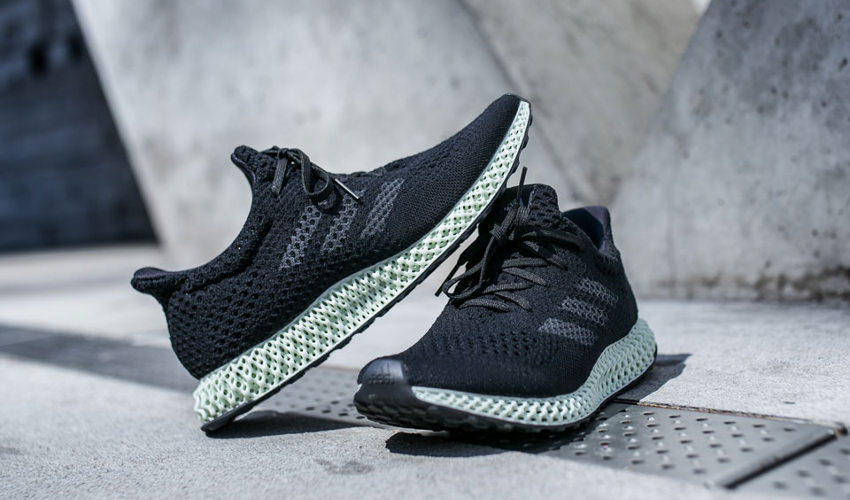 NewsAdidas Release their 3D Printed Shoes: The Futurecraft 4DAdidas and Carbon 3D’s collaboration has finally been released to the general public. Their 3D printed shoes, the Futurecraft 4D sneakers, are only available in select US retailers via a raffle system for the moment however. Carbon expects to ship…