News
WEBINAR: How Can You Use FDM to Print Ceramics and Metals?
When most people think of 3D printing, the process that comes to mind is FDM, or Fused Deposition Modeling. An extrusion-based method, FDM requires just a build plate, an extruder (or multiple) and a filament for users to print their…
- 3 min read
- News
- Six more stories
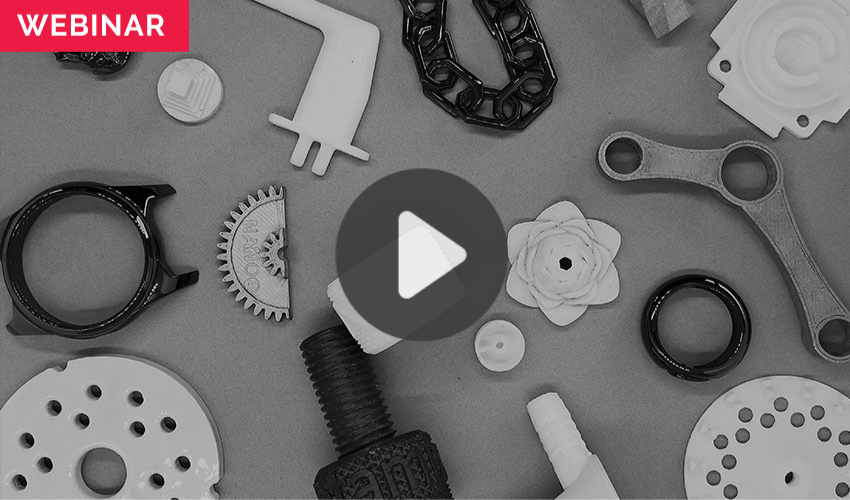
When most people think of 3D printing, the process that comes to mind is FDM, or Fused Deposition Modeling. An extrusion-based method, FDM requires just a build plate, an extruder (or multiple) and a filament for users to print their part layer by layer. Thermoplastics are by far the most used materials for the process, in particular PLA, PETG, and ABS as they are easy to print with, especially for beginners. This is understandable as polymers can easily be made into filament form. However, these are not the only materials that can be used. Though metals and ceramics are usually thought of in terms of technologies like powder bed fusion and material jetting, both are also available as filaments, making them compatible with FDM printers. They are attractive because they have many superior physical properties compared to polymers such as higher durability and resistance to heat. This also helps for those who want to use FDM for more industrial applications, especially in engineering and aerospace. But how does the technology work? What do you need to know in order to successfully print with ceramic and metal filaments? 3Dnatives webinar “How can you use FDM to print Ceramics and Metals?” took place on June 22nd at 4PM CEST (10AM EDT). We were joined by Nanoe, a leading manufacturer of ceramic and metal filaments compatible with most FDM printers on the market, and Novadditive, a specialized center dedicated to providing easy access to on-demand and customized ceramic parts. Nanoe launched its brand Zetamix back in 2018, offering ceramic and metal filaments. The webinar covered the technology and the 3D printing processes, including debinding and sintering, for ceramic and metal FDM printing and case studies, followed by a Q&A. You can find the replay of the webinar below.
Speakers:


More from the desk
Six other notes from the rest of the bench.
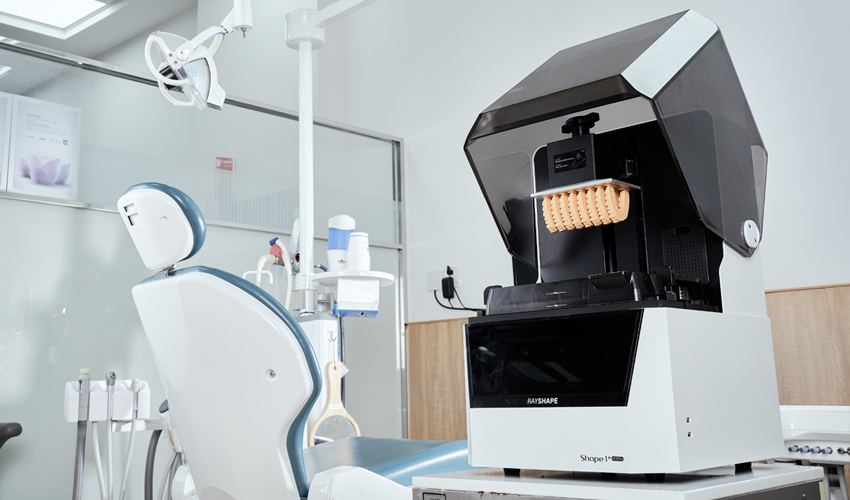 NewsRAYSHAPE Arrives in Europe, Expanding its 3D Printer Partners and ResellersAdditive manufacturing is an increasingly widespread technology worldwide and one of the continents experiencing considerable growth is Europe. The greatest European demand for 3D printing comes from small and medium-sized companies looking not only for prototyping, but also for
  MaterialsAectual 3D Prints Planters From Recycled PlasticIn order to tackle the mounting issues concerning humanity’s ability to recycle plastic, many industries have turned to the additive manufacturing sector for solutions. For instance, a few weeks ago, we were talking to you about 3D printed beams made…
 MaterialsAI Is Optimizing LPBF for Titanium AlloysManufacturing parts using titanium alloys is complex and expensive, requires a lot of patience and users make only slow progress. Even modern technologies such as metal 3D printing can only help to a limited extent. Currently, trial and error is…
 NewsUS Firm Azure to 3D Print 10 Homes Using Recycled PlasticsCalifornia-based 3D-printing construction start-up Azure Printed Homes (Azure) has been commissioned for a major new undertaking. Real estate company Reinhabit has tasked them with building eco-friendly homes across Southern California, made of recycled plastic. While this is not
 ApplicationsTop 5: Safer 3D Printing With the CDCNow that Sunday is here, it is once again time to look back at our favorite 3D printing videos from the past week! We start off with an important topic, the CDC has published the first in a series of…
 NewsTCT Awards 2023: Recognizing Additive Excellence and InnovationThe TCT Awards 2023, sponsored by HP, celebrated the remarkable achievements and contributions in the field of 3D printing. The event took place at the National Conference Centre in Birmingham and witnessed over 200 industry professionals gathered to honor the…