Guides
REGEMAT 3D, leader in medical additive manufacturing for nearly 10 years
REGEMAT 3D is a company based in Granada, Spain, specialised in medical additive manufacturing for nearly 10 years. It is undoubtedly one of the pioneering companies in the field of bioprinting in Spain, promoting research and the use of these…
- 3 min read
- Guides
- Six more stories
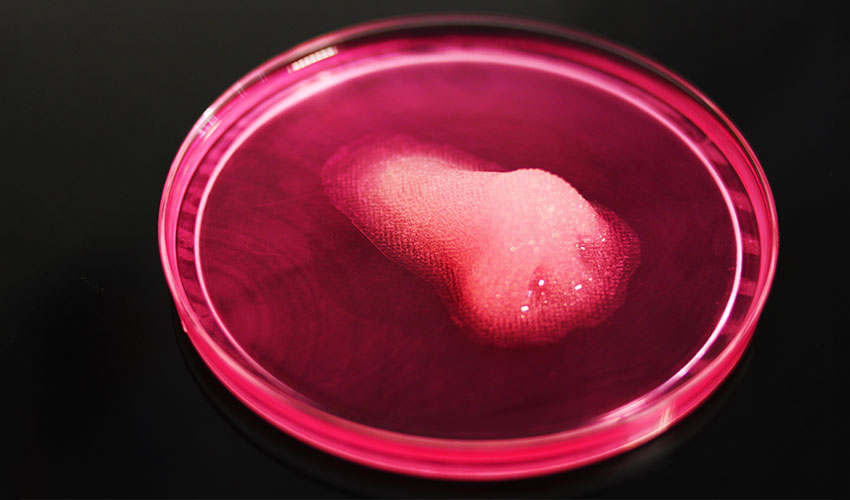
REGEMAT 3D is a company based in Granada, Spain, specialised in medical additive manufacturing for nearly 10 years. It is undoubtedly one of the pioneering companies in the field of bioprinting in Spain, promoting research and the use of these technologies in the country. This is further proof that we are getting closer to tailor-made medicine every day, not only in the field of prosthetics, implants or orthotics, but also in the bioprinting sector, which will have significant repercussions in the pharmaceutical industry and organ creation. This week we met Jose Manuel Baena, the founder of Breca Health Care and REGEMAT 3D, an expert in the field of bioprinting and personalised medicine. He presents his projects in this sector and talks about the importance of using 3D printing in hospitals.
3DN: Can you present your link with additive manufacturing technologies?
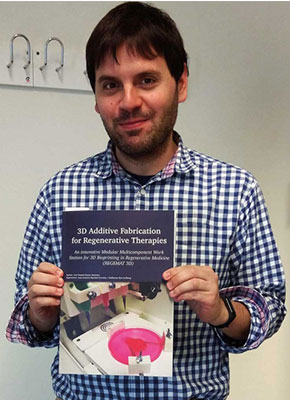
Jose Manuel Baena
I was born in Valencia in October 1983. I studied industrial engineering in Valencia, Spain and then in Braunschweig, Germany and in Oxford, United Kingdom, where I obtained my master’s degree in engineering. I also studied biomedical engineering in Buenos Aires, Argentina, and recently presented my PhD in biomedicine at the University of Granada.
Ten years ago, I started working on a project to manufacture custom implants in a Valencia institute. Then, I decided to found the first Spanish company dedicated to 3D printing of medical devices. I therefore created BRECA Health Care in 2010, dedicated to the production of personalised medical devices. We print 3D titanium implants, with PEEK and other biocompatible materials, prostheses and cutting guides for reconstructions or biomodels. More than 10 years ago, I understood that 3D printing was an obvious need in the health sector, because each patient has a different anatomy, therefore the use of generic prostheses makes no sense.
More from the desk
Six other notes from the rest of the bench.
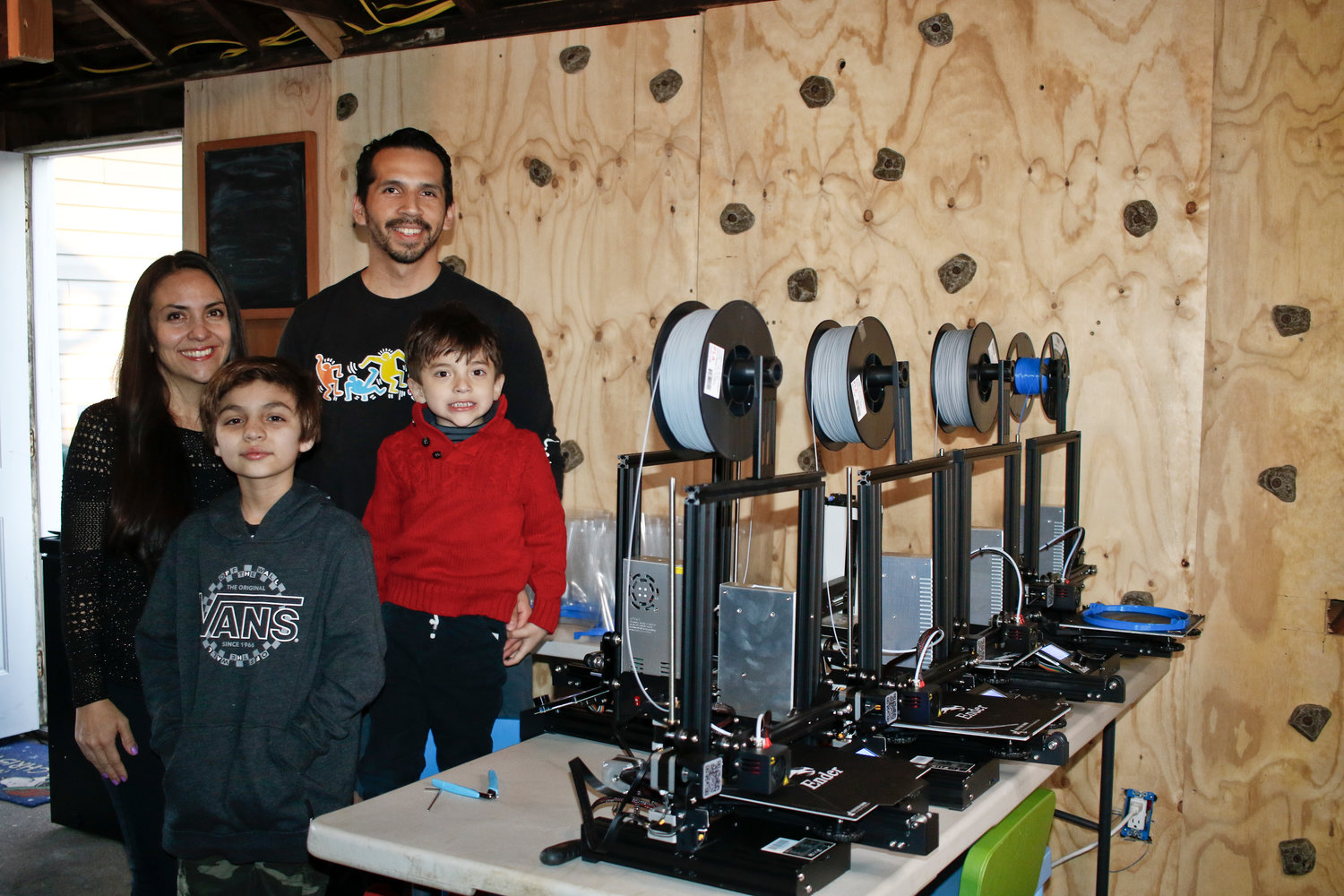 NewsHow the Maker Community reacted to PPE ShortagesFollowing COVID-19’s evolution from epidemic to pandemic, fear of PPE shortages in hospitals quickly became a reality for many countries across the world which has yet to subside. The 3D printing industry reacted quickly. In the last year we’ve seen…
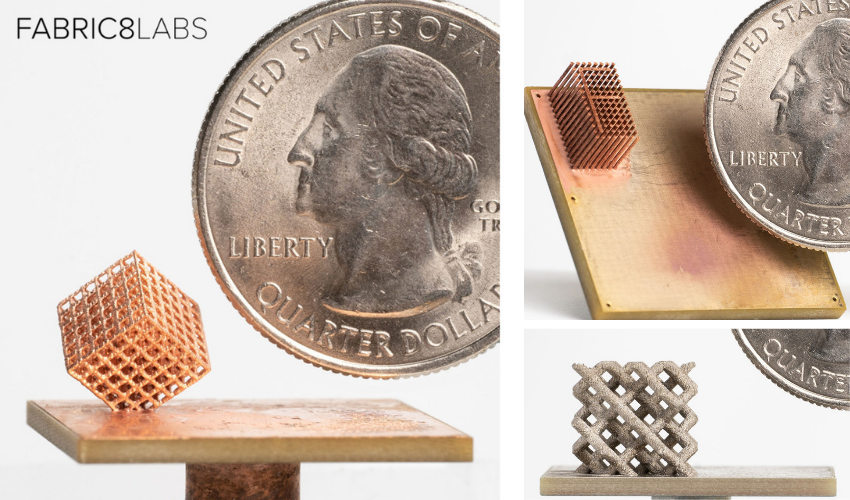 NewsFabric8Labs Raises $19.3M in Series A Funding and Aims to Commercialize Unique Metal TechnologyFabric8Labs, an additive manufacturing (AM) startup from San Diego, has announced the closing of a $19.3 million Series A financing round. The startup hopes that the money will help to accelerate commercialization of its proprietary AM process, allowing them to…
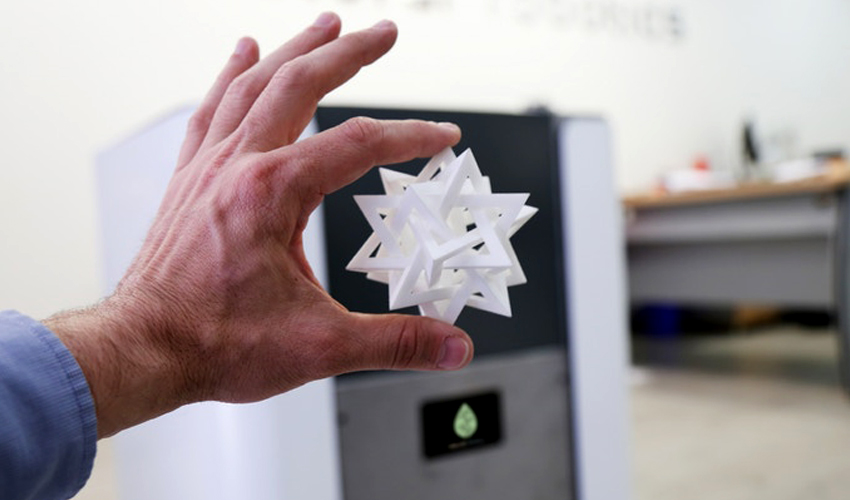 PrintersBenefits of an SLS 3D Printer: with Natural RoboticsThe technology of selective laser sintering involves creating objects via a powder material. It was developed in the 80s, but in its early years it was inaccessible to most because of its high price. In 2014 the patent expired, opening…
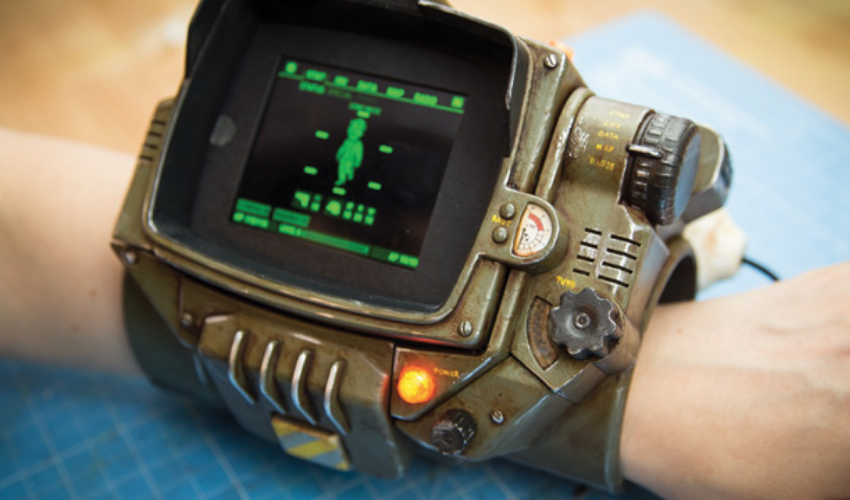 MaterialsKamui Cosplay 3D Prints A Fallout Pip-Boy DeviceAs a huge fan and avid player of the action role-playing game Fallout, Svetlana Quindt decided to recruit her design partner Benni Schwarz, and his brother Jacob, to help create a 3D printed replica of the video game’s most recognizable…
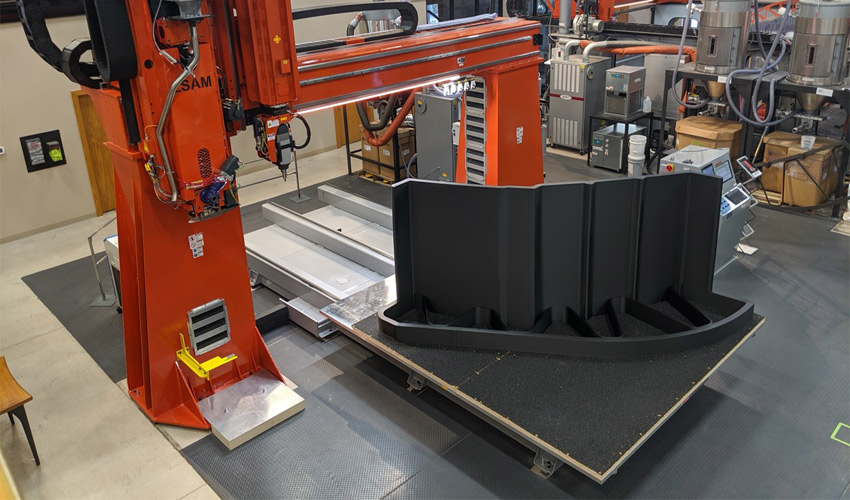 NewsThermwood 3D prints a hull mold for a 51-foot long yachtThe manufacturer of large-format additive manufacturing solutions, Thermwood, has recently 3D printed several sections of a mold of the hull for a 51-foot long yacht. Using carbon fiber reinforced ABS, the company developed a part that was strong enough, demonstrating that additi
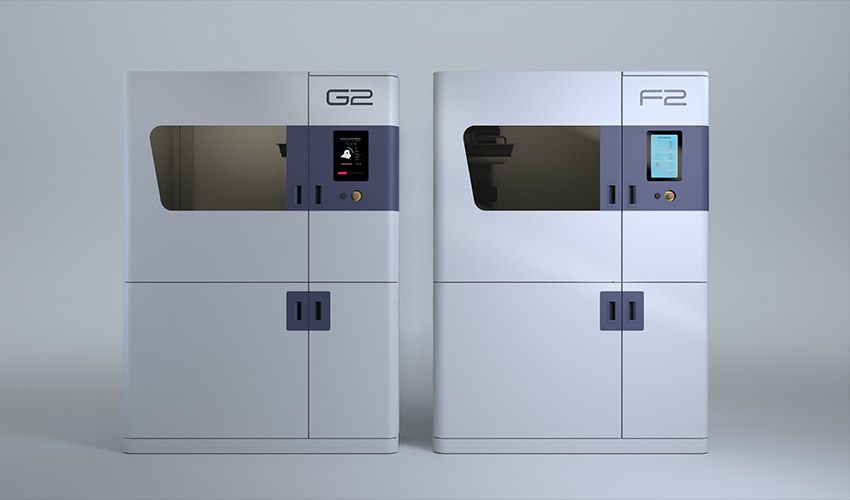 PrintersGenera’s industrial G2/F2 system streamlines all steps of the AM workflowFounded in 2015, Genera is a Viennese startup that is developing comprehensive 3D printing solutions. During its development phase, the startup identified a key limitation users were facing during production. In fact, users were often left to themselves to manually…