News
Coolable 3D Printed Canister Could Help Prevent the Spread of Disease-Carrying Mosquitoes
Do you know what the most dangerous animal on the planet is? Contrary to common expectations it is not lions, hippos, sharks or any other predator creators. Rather, it is the common mosquito. On average, mosquitos kill about 750,000 people…
- 3 min read
- News
- Six more stories
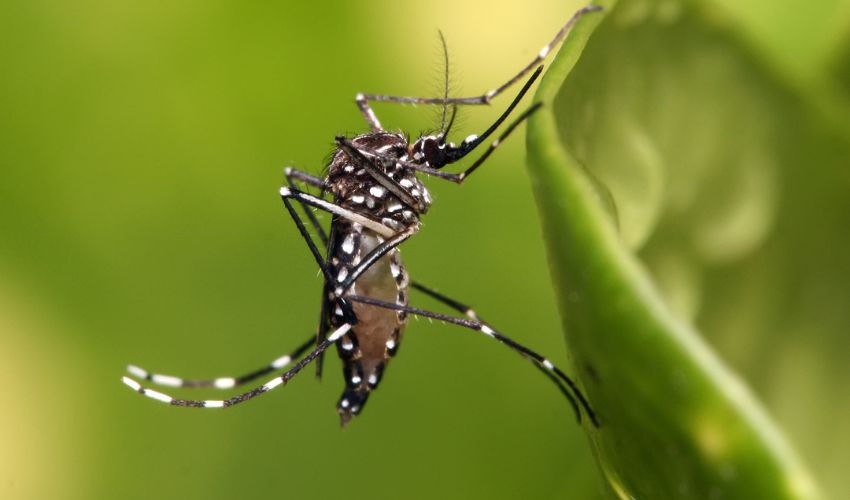
Do you know what the most dangerous animal on the planet is? Contrary to common expectations it is not lions, hippos, sharks or any other predator creators. Rather, it is the common mosquito. On average, mosquitos kill about 750,000 people per year due to the diseases that they carry. This is why stopping them has become a priority worldwide, but many solutions are also toxic. Now researchers claim to have created a coolable 3D printed canister that can mass sterilize Aedes aegypti mosquitoes, thus significantly reducing their spread and therefore the harm that they can do, all in a more sustainable way.
Aedes aegypti, which is more commonly known as the yellow fever mosquito, is known for spreading dengue fever, zika and yellow fever, among other serious diseases. Moreover, though it originated in Africa, it can now be found in tropical, subtropical and temperate regions worldwide, greatly increasing its range and ability to cause havoc. For example, in the United States, the CDC estimates that Aedes aegypti can live and reproduce across most of the south of the country, up to New Jersey and going all the way to California. Meanwhile, in Europe, the European Centre for Disease Prevention and Control has put out bulletins warning about the northwards and westwards spread of the mosquito as summers are becoming longer and warming and flooding is becoming more frequent.
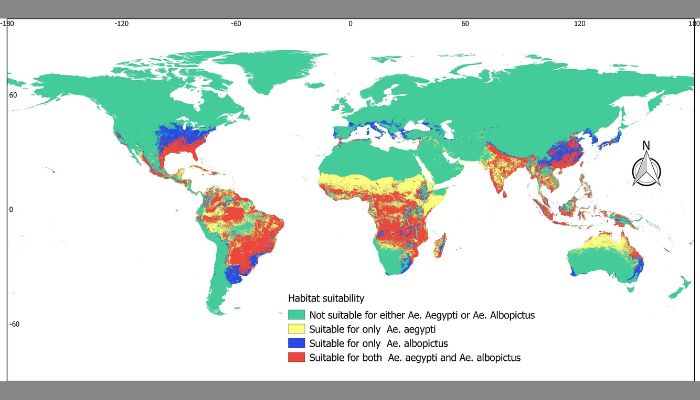
The range of the yellow fever mosquito (Image Credits: Samson Leta, Tariku Jibat Beyene, Eva M. De Clercq, Kebede Amenu, Moritz U.G. Kraemer, Crawford W. Revie, International Journal of Infectious Diseases)
This is a cause for serious concern, as the diseases that are spread are not easy to combat. Andrea Ammon, ECDC Director, further explained, “In recent years we have seen a geographical spread of invasive mosquito species to previously unaffected areas in the EU/EEA. If this continues, we can expect to see more cases and possibly deaths from diseases such as dengue, chikungunya and Zika viruses and, under certain circumstances*, West Nile virus. Efforts need to focus on ways to control mosquito populations, enhancing surveillance and enforcing personal protective measures.”
More from the desk
Six other notes from the rest of the bench.
 ApplicationsA Breathalyzer Kiosk Made with 3D Printing for Fast and Accurate Mass COVID-19 ScreeningWorldwide, we are seeing a loosening of restrictions in regards to COVID-19. However, that does not mean that the pandemic is fully over. Despite high vaccination rates, there are still cases globally and mass testing is still required. Thankfully, The…
 NewsTOP 5 videos of the week: Medical Imagery and more!We found the TOP 5 videos of the week related to 3D printing and collected the additive manufacturing here. Share your videos and comment on the article below or on the 3Dnatives’ Facebook or Twitter account. Hope you’ll enjoy and…
 Guides#3DStartup: Personomic Offers Customized Bicycle GripsToday, 3D technologies play an important role in the production process of many industries. This is because 3D scanners and printers make it possible to achieve what would have been unthinkable just a few years ago: mass customization or the…
 NewsTop 5 Videos: Wood 3D Printing by Saint-Honoré-ParisWelcome to our compilation of this week’s most compelling 3D printing highlights. This week’s edition kicks off with our very own video, focusing on Saint-Honoré-Paris and how it is using wood 3D printing for window displays and mannequins. Next up,…
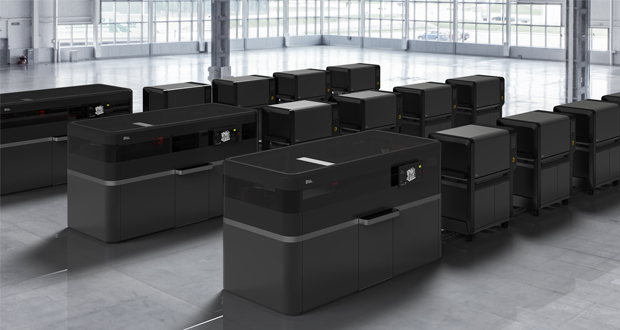 GuidesStartup of the month: Desktop Metal, the reinventors of metal 3D printingAdditive metal production is becoming an increasingly sought after tool by market players who are confident in its ability to reduce production costs while simultaneously increasing quality. As 3D printer manufacturers continue to develop cheaper, more professional solutions (suc
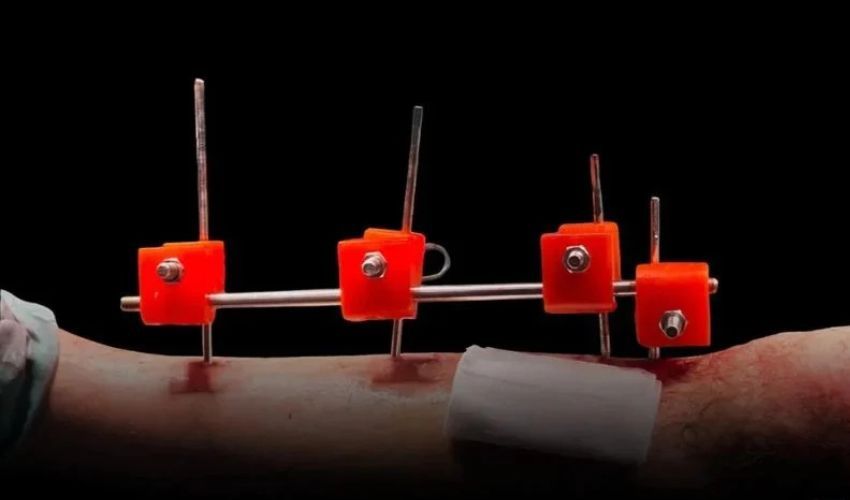 ApplicationsDoctors in Gaza Have Created A 3D-Printed External FixatorIn one of the most severely affected healthcare systems in the world, a team of doctors and engineers has achieved an unprecedented breakthrough. GLIA, an international medical relief organisation, has designed and produced the world’s first 3D-printed external fixator inside&hel