Applications
8 Reasons Why Additive Manufacturing Is Becoming Essential to Defense
Defense organizations are rethinking how they manufacture, maintain and adapt military equipment. Supply chains are under pressure. Operational demands are changing. Additive manufacturing is one of the tools helping them respond. Here are eight reasons why it is becoming essenti
- 3 min read
- Applications
- Six more stories

Defense organizations are rethinking how they manufacture, maintain and adapt military equipment. Supply chains are under pressure. Operational demands are changing. Additive manufacturing is one of the tools helping them respond. Here are eight reasons why it is becoming essential.
#1: Field-Deployable Manufacturing
Military equipment loses operational time waiting for replacement parts. For aging platforms in remote locations, replacements can take six months or longer. That wait has real consequences. Additive manufacturing helps close that gap. Components can be produced locally from secure digital files rather than ordered through supply chains built around centralized production. Maintenance teams can manufacture tools, brackets, housings and other non-critical parts at forward operating bases, aboard naval vessels or in mobile production units. The result? Rapid repairs, reduced downtime and increased flexibility when operating far from traditional manufacturing hubs.
#2: Keeping Legacy Equipment Operational
Military platforms are built to last decades. The manufacturers who supplied their original components often aren’t. When a critical component fails on an aircraft, ship or vehicle that has been in service for 30 years, there may be no supplier left to call. Additive manufacturing gives maintenance teams another option. Parts can be reproduced from existing drawings or reverse-engineered through 3D scanning, without waiting on a supply chain that no longer exists.
More from the desk
Six other notes from the rest of the bench.
 NewsPart 1: How are AM companies responding to the COVID-19 outbreak?The COVID-19 crisis has introduced a lot of uncertainty for many industries around the world. Whilst the crisis is resolving in China, where it started, in other parts of the world this is far from being the case. Governments have…
 MaterialsTethon 3D: A Behind-the-Scenes Look at Resin DevelopmentWhen you purchase resin for vat photopolymerization, do you ever think about where that resin came from? Even if there’s a brand name on the label that coincides with the printer you are using, there is a chance that the…
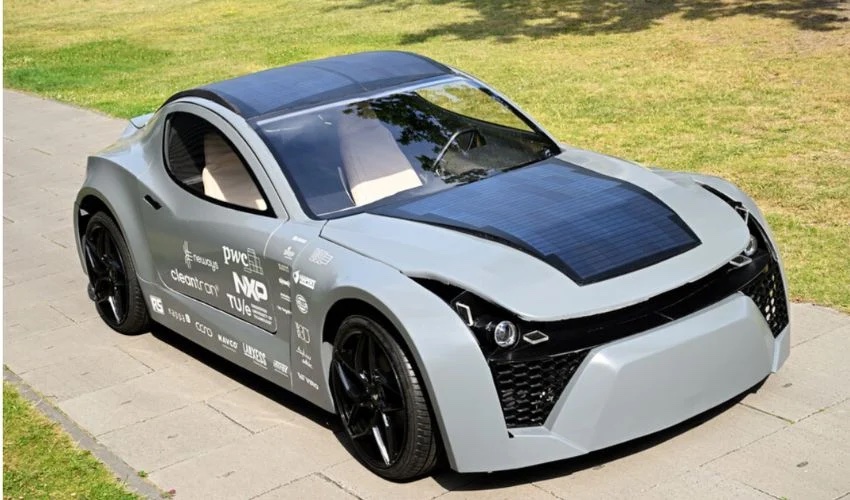 ApplicationsThis New 3D Printed Car, Named ZEM, Can Reduce CO2 Emissions While DrivingIt is certainly no secret that additive manufacturing is playing a key role in the automotive sector. And now, a new car project from students at Eindhoven University of Technology (Netherlands) could be a new milestone in the industry. The…
 NewsVerbatim presents Durabio; an eco-friendly 3D printing filamentA subsidiary of Mitsubishi Chemical Corporation, Verbatim has announced the arrival of a new filament for FDM 3D printing made from Durabio’s eco-friendly material. This transparent material combines the properties of polycarbonate (PC) and polymethacrylate (PMMA). It has g
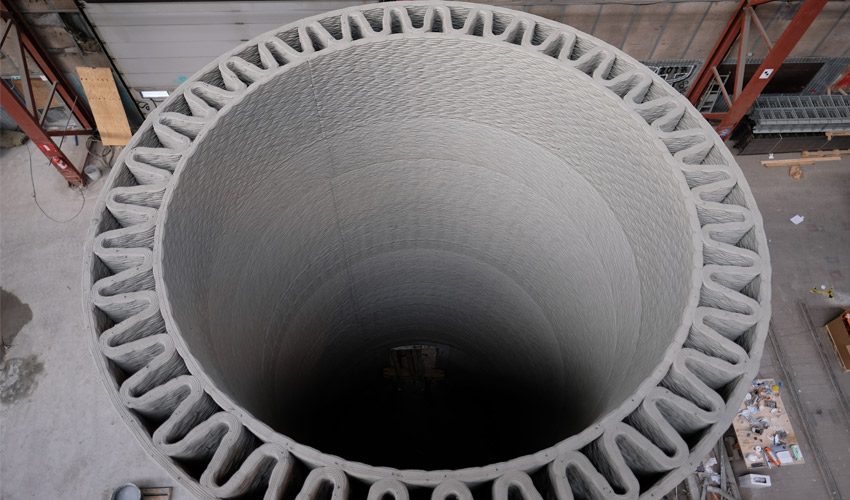 NewsGE, COBOD and LafargeHolcim create taller wind turbines using concrete 3D printingGE, COBOD and LafargeHolcim worked together to develop a 3D printed concrete base to support larger wind turbines, capable of reaching 200 meters in height to capture stronger winds, and therefore offer more efficiency. The goal of the partnership is…
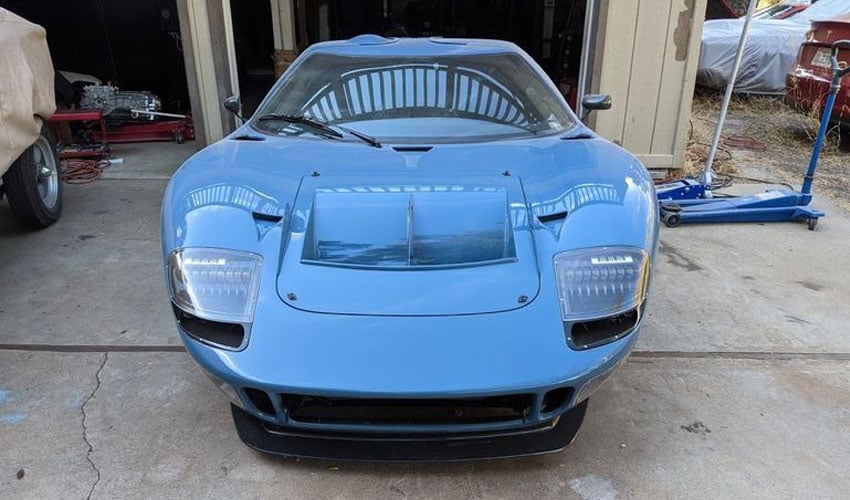 PrintersUsing 3D Scanning to Repair and Customize the Famous Ford GT40The Ford GT40 is a sports car designed in only 126 examples in the 1960s, with a history well known to car enthusiasts but also amateurs, the rivalry between Henry Ford II and Enzo Ferrari has inspired more than one…