Printers
Using 3D Scanning to Repair and Customize the Famous Ford GT40
The Ford GT40 is a sports car designed in only 126 examples in the 1960s, with a history well known to car enthusiasts but also amateurs, the rivalry between Henry Ford II and Enzo Ferrari has inspired more than one…
- 3 min read
- Printers
- Six more stories
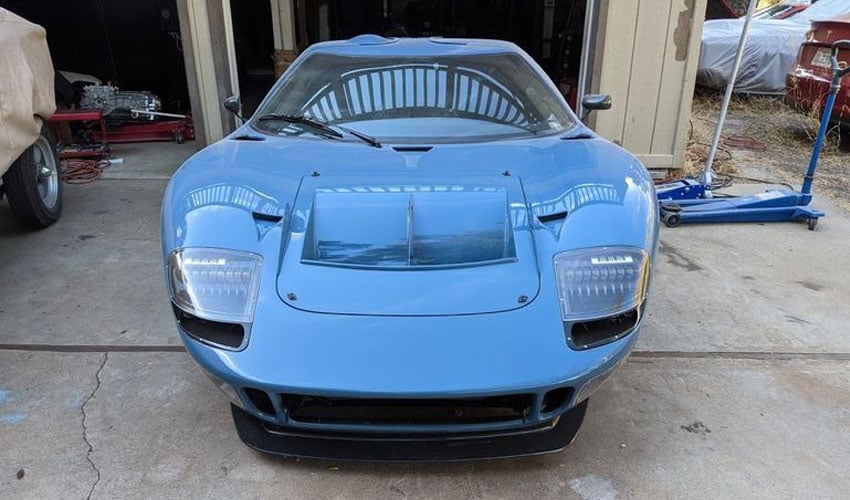
The Ford GT40 is a sports car designed in only 126 examples in the 1960s, with a history well known to car enthusiasts but also amateurs, the rivalry between Henry Ford II and Enzo Ferrari has inspired more than one movie. In any case, the vehicle is the focus of today’s topic: In the United States, vintage car enthusiast Chris Ashton used 3D technology to modify and customize his Ford GT40, using Artec Space Spider and Artec Eva 3D scanners. The collector was able to reproduce complex shapes very quickly, as close to the real thing as possible, and hopes to get back on the road as soon as possible.
3D scanners are often used to digitize objects and parts from the past, allowing users to obtain a digital copy. This copy can then be modified, customized and then 3D printed to become a physical model. This is particularly interesting in the automotive sector for designing spare parts: on vintage cars, most spare parts are no longer produced, complicating maintenance and repair tasks and increasing costs considerably. However, thanks to a 3D scanner, the user can easily digitize his original part and recreate a model first digitally and then physically thanks to additive manufacturing.
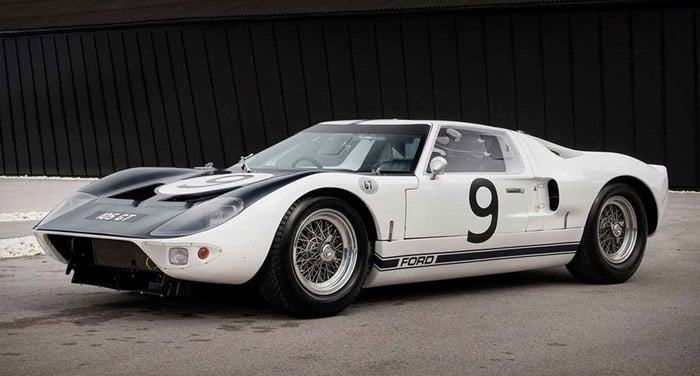
Photo Credits: Ford
Artec’s solutions for customizing the Ford GT40
Chris Ashton has a passion for cars and was able to combine this passion with his business: Ruffian Cars is a California-based company that builds and modifies sports cars. They’ve been using additive manufacturing to reproduce parts for a few years now, but the process required many iterations before getting a model as close to the original as possible. That’s why the company invested in Artec Space Spider and Artec Eva scanners, aiming especially to reproduce the car’s wideners.
More from the desk
Six other notes from the rest of the bench.
 GuidesBeamler facilitates the integration of additive manufacturing in the industryBeamler is a startup based in Amsterdam and present in Germany that wants to facilitate the integration of 3D printing technologies in companies in 4 steps. It is aimed at different sectors such as aerospace, the automobile or the maritime…
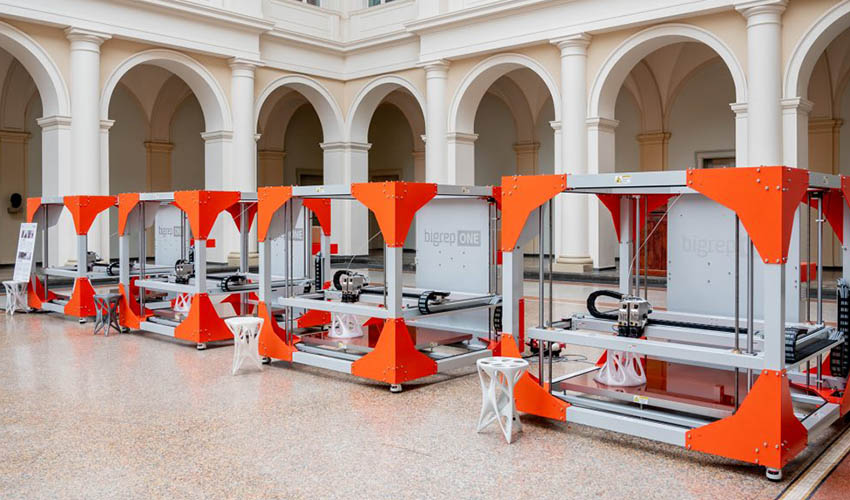 PrintersBigRep Ships its 500th Large-Format 3D PrinterThe leading large-format 3D printer manufacturer, BigRep, celebrated the delivery of its 500th industrial machine last week. The company was founded in 2014, and is well known in the additive manufacturing industry for having developed some of the world’s largest…
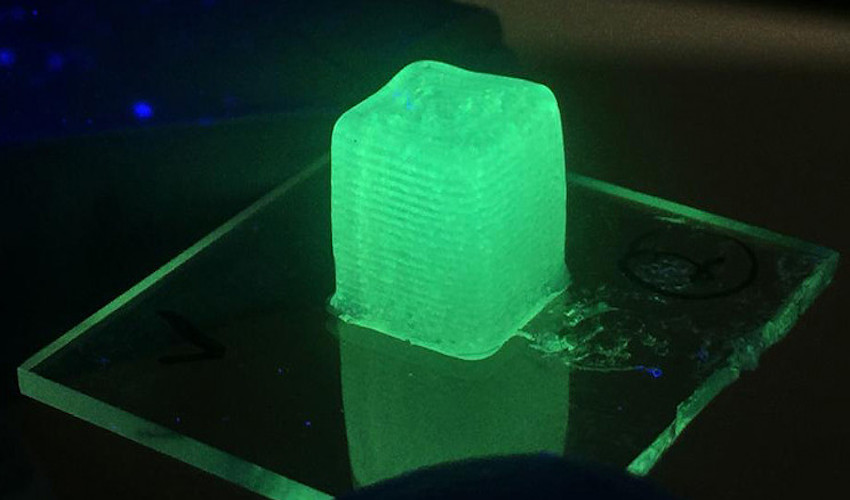 NewsNew droplet-based 3D printing techniqueA new 3D printing technique has been developed by the researchers from the University of California, Davis. The paper detailing the approach was published in the Proceedings of the National Academy of Sciences of the United States, one of the…
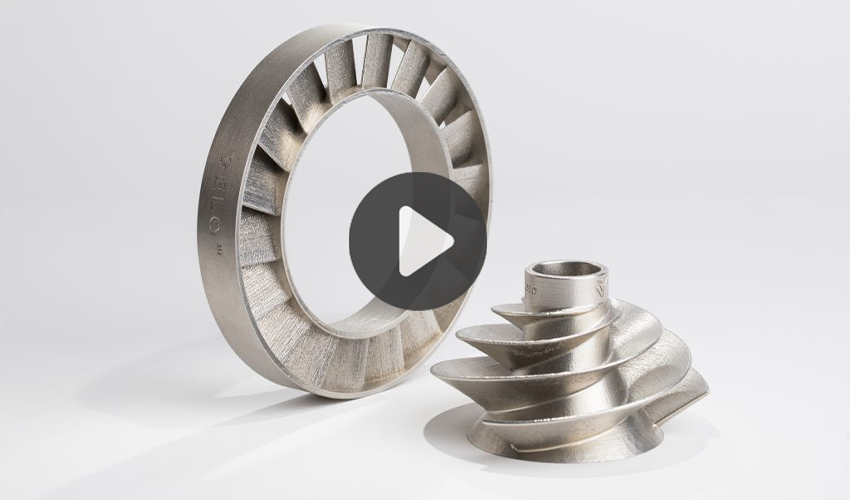 NewsTop 5 Videos: Support-Free Metal 3D PrintingIn this week’s edition of top videos about the 3D industry, we will learn a ton about metal 3D printing. First, Velo3D founder Benny Buller will tell us all about the company’s Sapphire 3D printing metal production solution. We will…
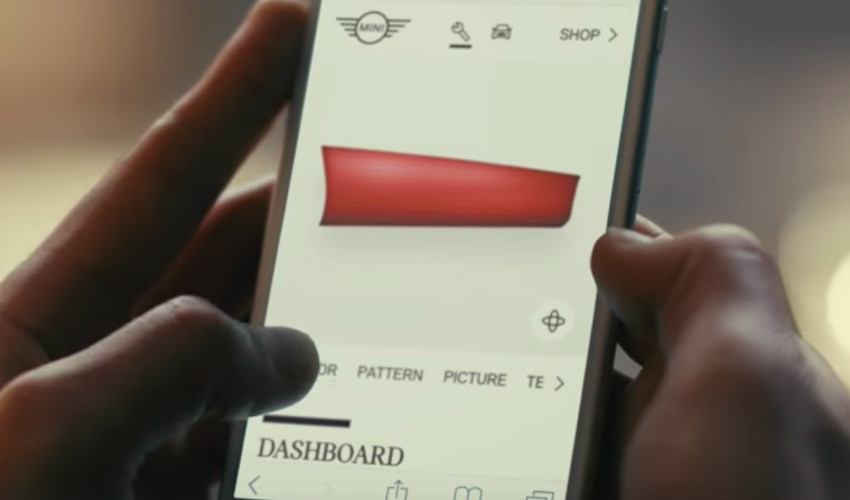 NewsTop 5 Videos: Custom Mini Parts!This week’s Top 5 Videos contain a wide variety of 3D printing content. These videos include Mini 3D printed car parts, 3D printed guns, and more. Remember, every Sunday there’s a new Top 5 Videos uploaded, so make sure you…
 GuidesInterview with AI Chatbot ChatGPT on the 3D Printing MarketOur interview today is truly unique: we have interviewed artificial intelligence (AI)! We wanted to test the now well-known ChatGPT and thought we would interview it as we would a 3D printing expert. ChatGPT (short for Generative Pre-trained Transformer) is…