Applications
8 Reasons to Integrate 3D Printing in Hospitals
We no longer need to explain why additive manufacturing is so popular in the medical sector: examples and applications abound, and the benefits are very real. But beyond these use cases, a more transformative trend is emerging: the direct integration…
- 3 min read
- Applications
- Six more stories
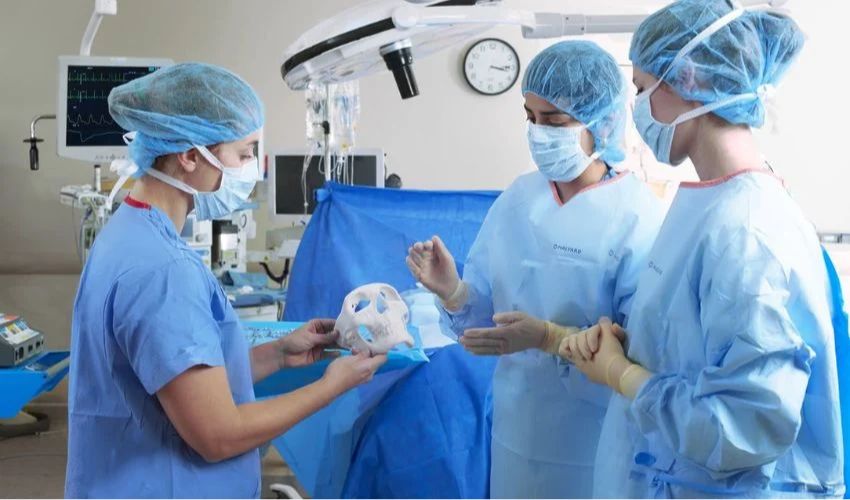
We no longer need to explain why additive manufacturing is so popular in the medical sector: examples and applications abound, and the benefits are very real. But beyond these use cases, a more transformative trend is emerging: the direct integration of 3D printing within hospitals.
More and more institutions are setting up in-house facilities, creating their own labs, and developing specialized expertise. Why all the excitement? Here are 8 concrete reasons why additive manufacturing is becoming an essential tool for healthcare professionals.
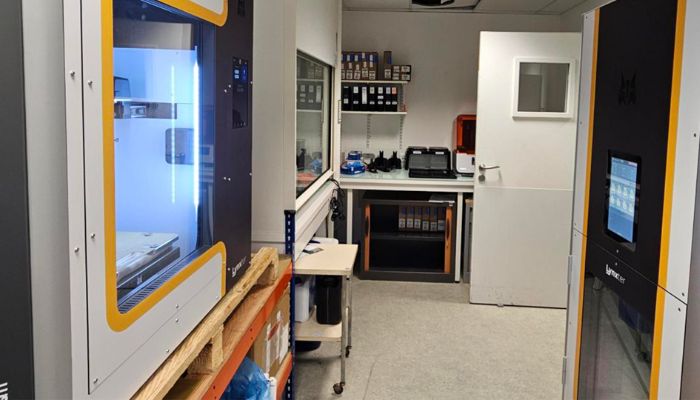
The AP-HP has implemented multiple 3D printers (photo credit: PRIM3D)
#1: Responding to Needs for Personalization
This is undoubtedly the most obvious reason. Every patient’s anatomy is different, and the healthcare provided in hospitals must reflect this reality: tailored treatments are essential, regardless of the condition being treated. Additive manufacturing is ideally suited to this challenge because it can produce tools, medical devices, implants, and even anatomical models that precisely match the patient’s anatomy.
More from the desk
Six other notes from the rest of the bench.
 Printers#3DExpress: UltiMaker Launches the New, Faster S8 3D PrinterIn this week’s #3DExpress, we start off with an exciting launch: the S8 3D printer from UltiMaker! This FDM solution has been designed to increase user productivity through an increased speed without compromising on quality. Next, construction 3D printing is…
 NewsAn Unusual Crystal Has Been Discovered That Strengthens 3D Printed MetalMetal 3D printing continues to advance, particularly in the reinforcement of parts for the aerospace and automotive industries. Recently, researchers highlighted a discovery in 3D-printed aluminum alloys: atomic structures called quasicrystals. These quasicrystals are unusual. Un
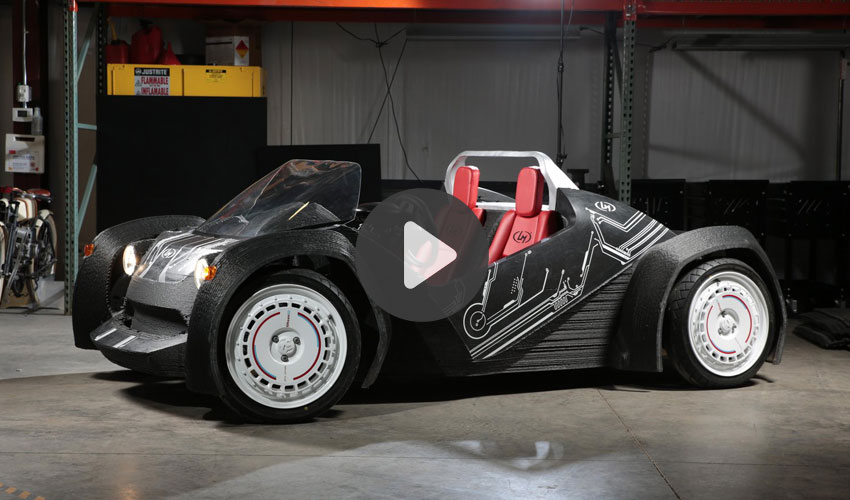 NewsTop 5 Videos: 3D Printed SupercarsThis week’s Top 5 Videos about 3D printing include a huge variety of videos spanning a range of topics. We’ve included videos about 3D printed supercars, 3D printed turtle eggs to stop poaching, and 3D printed hearts to save lives…
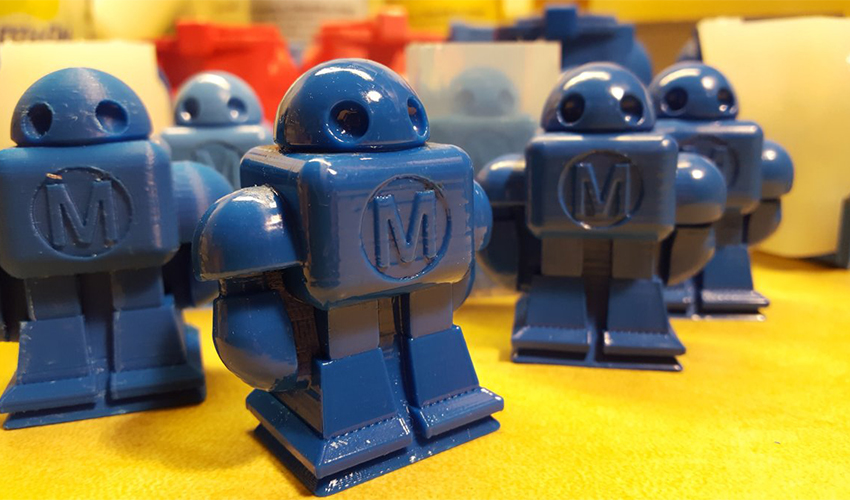 GuidesThe top UK Maker Faires for DIY fans in 2018 and moreWe have in previous weeks collected the biggest and top Maker Faires in the US and Canada. This time we will take a look at what is worth checking out across the pond with the UK Maker Faires and beyond.…
 ApplicationsYamaha Motor Racing Chooses 3D PrintingThe Monster Energy Yamaha MotoGP team has chosen Roboze, an Italian-American company specializing in high-performance 3D printing, as its partner. Roboze is already a technical partner of Ducati Corse for the 2022 season, and this new collaboration confirms its position…
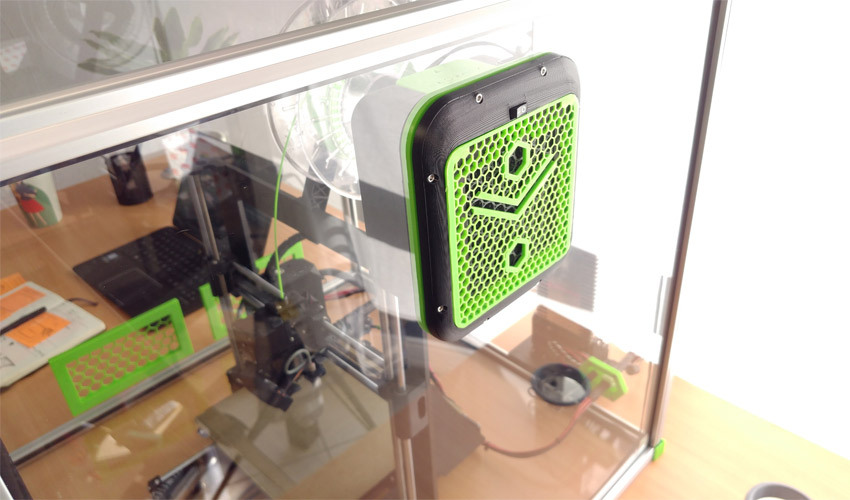 GuidesAlveo3D, a filtering kit for safer 3D printing at home & officeAlveo3D is a young French company, which has developed a nanoparticle filtration system for 3D printers. Its objective is to reduce toxic emissions from machines by reducing the risk of air pollution when they operate in a very poorly ventilated…