News
An Unusual Crystal Has Been Discovered That Strengthens 3D Printed Metal
Metal 3D printing continues to advance, particularly in the reinforcement of parts for the aerospace and automotive industries. Recently, researchers highlighted a discovery in 3D-printed aluminum alloys: atomic structures called quasicrystals. These quasicrystals are unusual. Un
- 3 min read
- News
- Six more stories
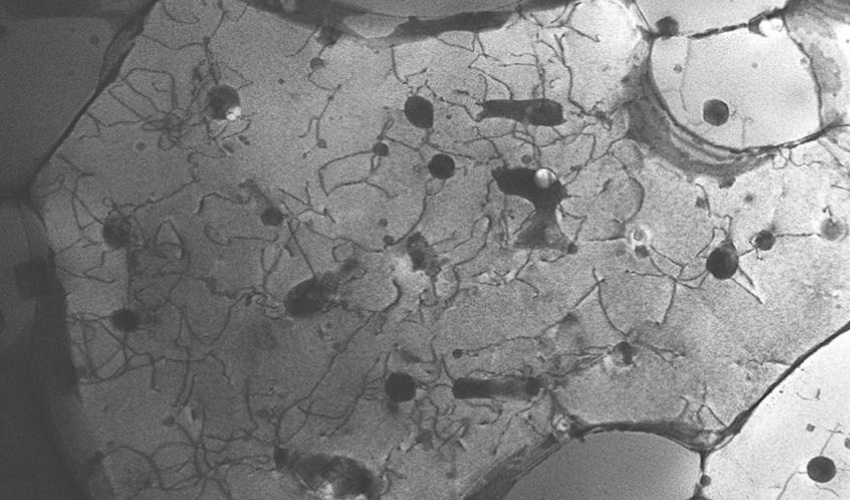
Metal 3D printing continues to advance, particularly in the reinforcement of parts for the aerospace and automotive industries. Recently, researchers highlighted a discovery in 3D-printed aluminum alloys: atomic structures called quasicrystals. These quasicrystals are unusual. Unlike conventional crystals, such as those in table salt, which have regular, repeating atomic patterns, quasicrystals adopt a different organization. Their structure fills the space, but never reproduces exactly the same pattern. This organized disorder could offer interesting mechanical properties, especially in additive manufacturing.
The discovery came about when researcher Andrew Iams was observing a sample of a new aluminum alloy and noticed an unusual organization of atoms. Working with other specialists at the National Institute of Standards and Technology (NIST), he was able to confirm that these were quasicrystals, rare structures that also appeared to enhance the alloy’s strength.

Penrose’s paving pattern is a good illustration of the behavior of quasicrystals. Though the geometric shapes are simple, their assembly creates a complex pattern that never repeats itself, even on a large scale.
Stronger Alloys Thanks to Quasicrystals
Thanks to this discovery, it should be possible to design new reinforced aluminum alloys, by making deliberate use of quasicrystals to enhance their performance. The NIST team not only identified these rare structures, but also demonstrated that they contribute to making the material stronger.
More from the desk
Six other notes from the rest of the bench.
 NewsThe Great British Cycling Team Turns to AM to Help Succeed in the Commonwealth Games3D printing has once again showed its continued importance in the sports sector. Renishaw, a leader in metal 3D printing, used additive manufacturing (AM) to help create a track bike for the Great British Cycling Team (GBCT) in the Birmingham…
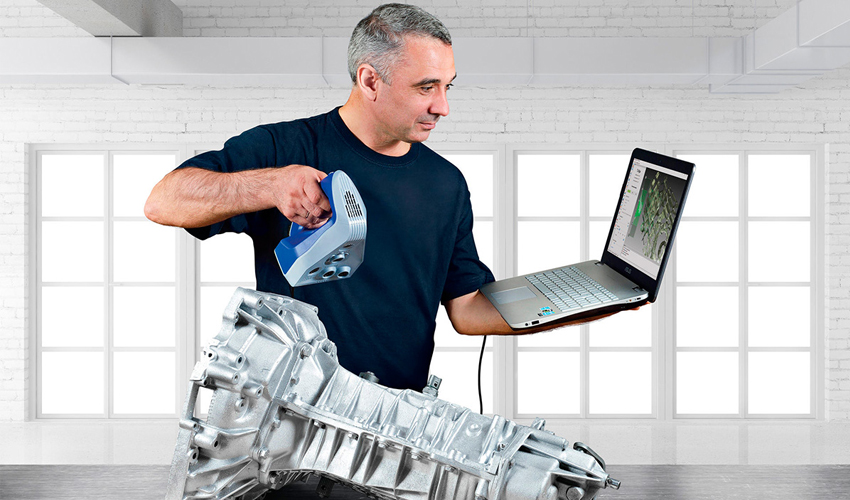 PrintersHow to choose a 3D scanner: Experts give their advice!A few months ago, our experts gave you the keys to choose the right 3D printer and filament. Today, we come to you with an expert advice about 3D scanners: we asked three experts from Artec 3D, Thor3D and 3DChimera to…
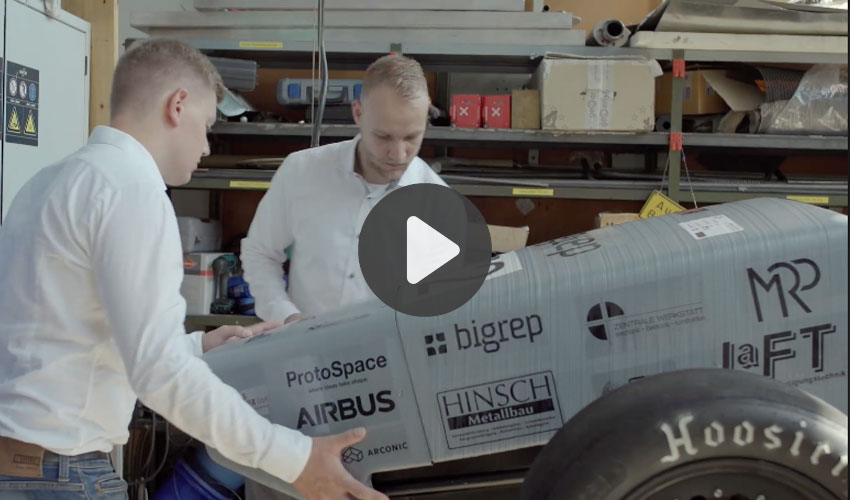 NewsTOP 5 videos of the week: 3D printed Race car and more!We found the TOP 5 videos of the week related to 3D printing and additive manufacturing here. Share your videos and comment on the article below or on the 3Dnatives’ Facebook or Twitter account. Hope you’ll enjoy and have a…
 GuidesPrintSyst.ai proprietary AI engine enables 3D printing with confidencePrintSyst.ai is a startup that has focused over the last couple of years on developing artificial intelligence to solve the significant cost of the pre-printing processes in additive manufacturing. Today, analyzing parts before 3D printing is a crucial step that…
 ApplicationsResearchers 3D Print Hydrogels to Protect Astronauts from RadiationSpace is an extreme environment where dangers abound, and radiation is one of them. During space missions, astronauts and their equipment are exposed to much higher radiation than on Earth. Without appropriate protection, the equipment could malfunction. As for astronauts,&hellip
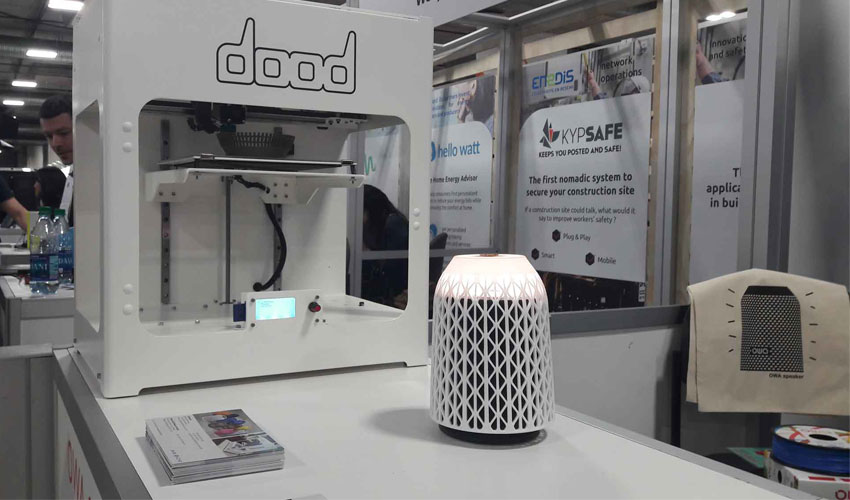 GuidesWe spoke to Armor 3D, creators of the OWA SpeakerThe OWA Speaker has recently launched their Kickstarter campaign to pre-order their 3D printed speaker. This is the result of a collaboration effort between 5 companies, including recycled 3D filament producer Armor 3D. Armor 3D’s part in the collaboration was…