Guides
#3DStartup: Balena and its Compostable, Biodegradable 3D Printing Materials for the Fashion Industry
The fashion industry is one of the most polluting for our planet, consuming a lot of plastics which are unfortunately all too often thrown away too quickly and in the wrong way. Faced with this building ecological crisis, one young…
- 3 min read
- Guides
- Six more stories
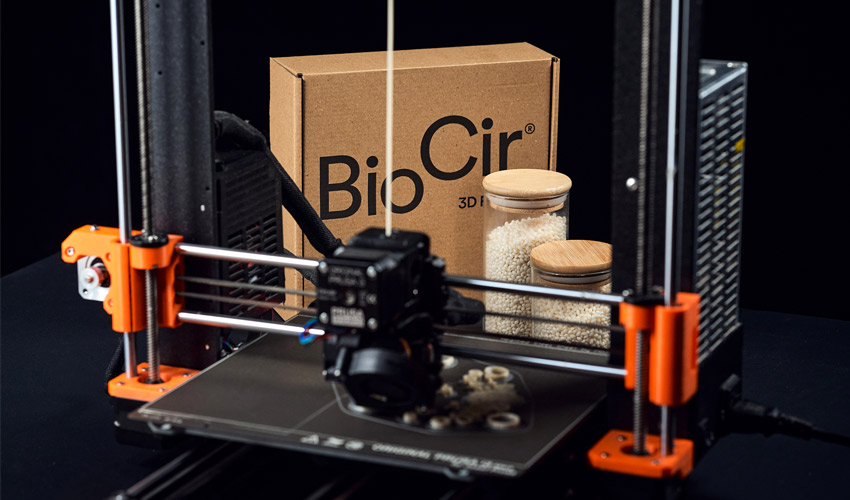
The fashion industry is one of the most polluting for our planet, consuming a lot of plastics which are unfortunately all too often thrown away too quickly and in the wrong way. Faced with this building ecological crisis, one young start-up has decided to develop a more sustainable solution to give a second life to our clothes and fashion accessories, Balena, an Israeli company founded in 2020. It develops compostable and recyclable thermoplastic materials, and has notably launched a solution for additive manufacturing. This is its BioCirFlex material, which can be found in filament or pellet form. We caught up with the company’s team to find out more about the characteristics of this polymer and how it could revolutionize the fashion industry.
3DN: Could you tell us more about Balena?
Balena is a materials science company dedicated to the development of compostable and biodegradable thermoplastic materials, founded by David Roubach. Balena’s mission is to create a circular model for consumer goods products and solve one of the fashion industry’s biggest challenges: the products’ end-of- life. David Roubach is a passionate advocate for sustainability and the circular economy, and he is committed to driving positive change in the industry by developing innovative and practical material solutions. Through his leadership of Balena, he is helping to transform the way we produce and consume fashion, and creating a better future for all of us.
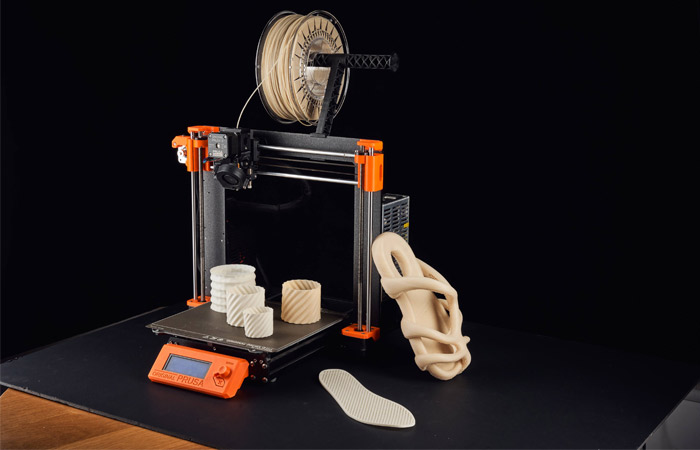
Balena develops compostable and biodegradable thermoplastic materials
3DN: How did the company get started?
Today, a whopping 60% of fashion garments are made out of plastic. In the US alone, over 21 billion pounds worth of garments reach their end of life and are sent to landfills or burnt every year. Out of which, only 1% is recycled. Currently, there isn’t a circular, end-of-life solution that can close the loop for these garments and solve the pollution caused to the earth and oceans. Additionally, while demand for bioplastics is ever-increasing, biodegradable polymers available in the market today are not advanced enough to include the features that conventional plastic materials include. Therefore, companies cannot fully replace hazardous, polluting plastics used in their products. Through the development of Balena’s flagship material, BioCir, we’ve created an opportunity to manufacture products that can be taken back at the end of their use and go through decomposition and biodegradation in a controlled compost environment without leaving any waste or contamination behind.
More from the desk
Six other notes from the rest of the bench.
 ApplicationsUnited States Marines Use AM for New Vehicle Maintenance ToolOnce again the American military is turning to additive manufacturing (AM) for innovative applications to help them in the field. This time, Marine Corps System Command’s (MCSC) Advanced Manufacturing Operations Cell (AMOC) has helped to develop a 3D printed metal…
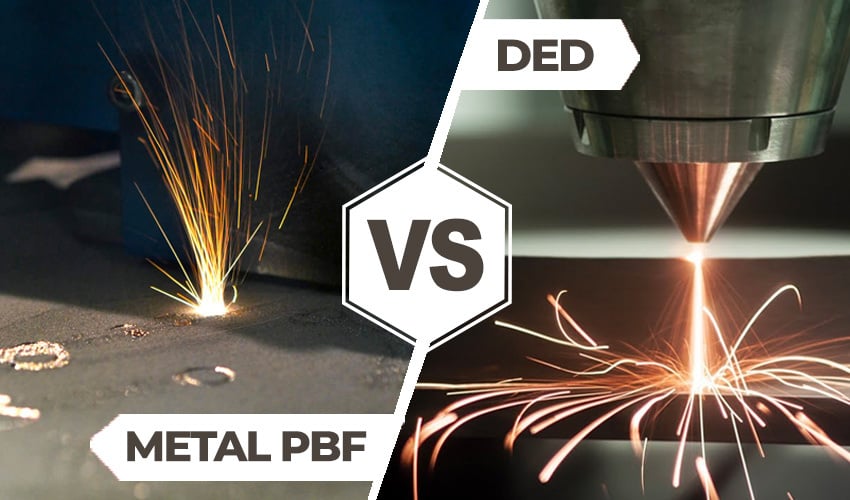 NewsPBF vs. DED: Which Metal 3D Printing Process Should You Choose?Metal is one of the most widely used materials, along with plastic, in additive manufacturing. The properties of this material make it suitable for the most demanding markets including for high-performance applications. In this article, we are comparing two of…
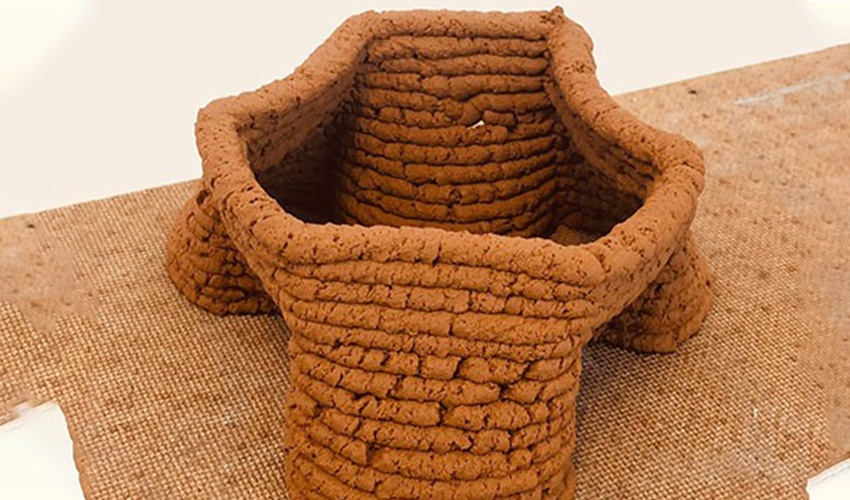 News3D printing sustainable structures using local soilThe construction industry is currently facing two major challenges: the demand for sustainable infrastructure and the need to repair deteriorating buildings, bridges and roads. While concrete is the material of choice for many construction projects, it has a large carbon…
 NewsADDITIV Design World Is in Just One Week!The moment you have all been waiting for is nearly here! ADDITIV Design World will take place in one week on May 23rd from 9:00 AM – 1:00 PM EDT (3:00 – 7:00 PM CEST). This first-ever edition will be…
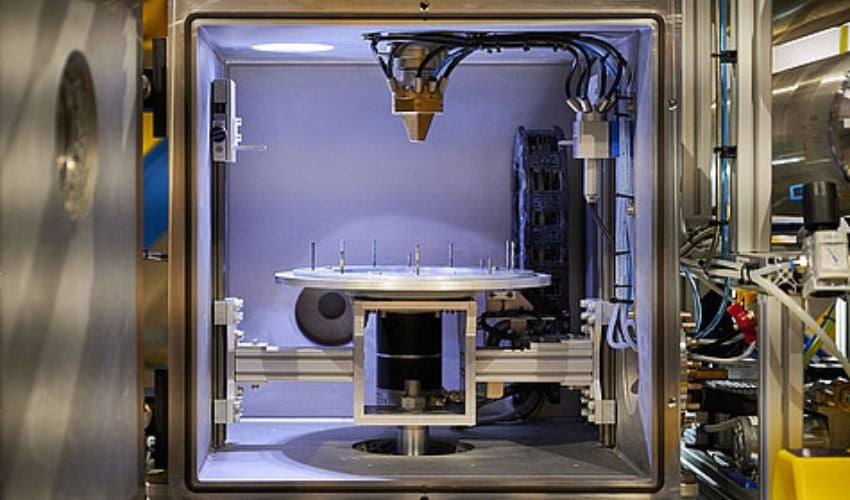 ApplicationsScientists Create New Technique for 3D Printing in MicrogravitySpace has always fascinated humanity, and the colonization of Mars and the Moon remains a major goal. To achieve this, it is necessary to process local resources under the conditions present there. 3D printing shows impressive potential in this area,…
 NewsGermany Cuts Funding for 3D Printing: Formnext and Experts RespondThe German government’s decision to cut funding for additive manufacturing has met with resistance. After the government initially announced support for the technology, recent budget proposals made no mention of it. Criticism from the additive manufacturing industry has come from