Applications
United States Marines Use AM for New Vehicle Maintenance Tool
Once again the American military is turning to additive manufacturing (AM) for innovative applications to help them in the field. This time, Marine Corps System Command’s (MCSC) Advanced Manufacturing Operations Cell (AMOC) has helped to develop a 3D printed metal…
- 3 min read
- Applications
- Six more stories
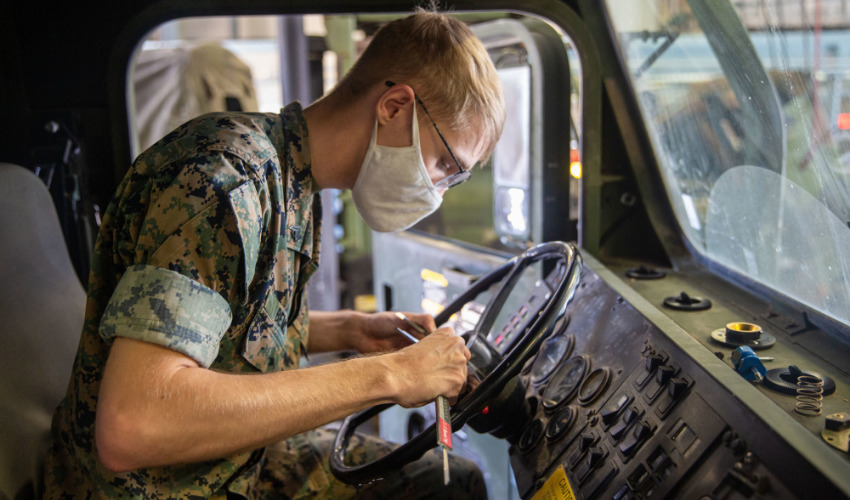
Once again the American military is turning to additive manufacturing (AM) for innovative applications to help them in the field. This time, Marine Corps System Command’s (MCSC) Advanced Manufacturing Operations Cell (AMOC) has helped to develop a 3D printed metal steering wheel removal device in collaboration with the 1st Supply Battalion and industry partners. The new tool will enable Marines to remove the steering wheel during routine maintenance without damaging it, ensuring that the car will not need to be put out of service.
Though it seems like a niche issue, the Marines often have to remove the steering wheel columns for the Medium Tactical Vehicle Replacement and Logistics Vehicle System Replacement, namely while conducting basic vehicle maintenance. However, the tool they are currently provided with is a 10-way slide hammer. Unfortunately, with that particular tool, users need to apply a significant amount of pressure to the steering wheel column, often breaking or damaging it. In order to replace the steering wheel, a replacement part must be ordered, meaning the vehicle will be out of service for about 25 days. One frustrated soldier chose to make a solution, eventually using AM to design a tool that could be used by any Marine hoping to prevent costly delays.
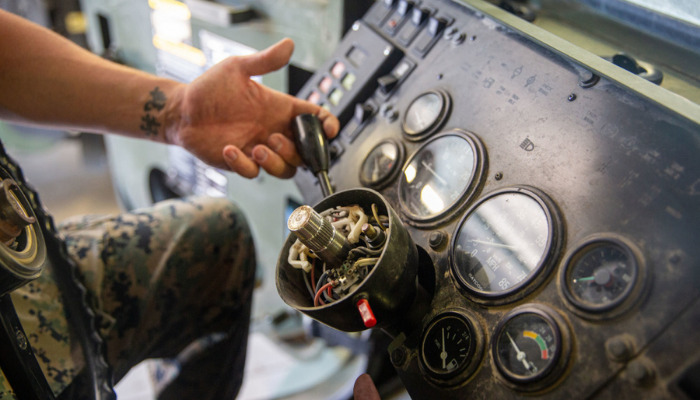
Inside the steering wheel (photo credits: Gunnery Sgt. Michele Hunt/USMC)
Of course, if you need to make an innovative tool, additive manufacturing is the way to go. Though the original prototype, made by Staff Sgt. Kyle Owens, a motor transportation chief with 1st Marine Logistics Group, was made using scrap metal and washers, in 2012, this year he was able to collaborate with his unit’s innovation officer to make a prototype using AM. The first iterations of the tool were made out of polymers as most of the Marine’s 3D printers use the material. Once a form, fit and function check of the final polymer tool was completed, they turned to metal AM to create the final prototype.
More from the desk
Six other notes from the rest of the bench.
 NewsICON unveils its new robotic home 3D printer, Vulcan II3D concrete printer manufacturer ICON has just unveiled an improved version of its previous machine, the Vulcan II. The Vulcan II will be ICON’s first commercially available construction printer, designed to build houses even faster, at a very attractive price.…
 NewsTOP 5 videos of the week: Levi’s, robots and more!A new selection of the best 3D printing videos of the week, just for you! Find our TOP 5 videos of the week below and tell us what your favorite video is in a comment or on our Facebook and Twitter page. Don’t hesitate to…
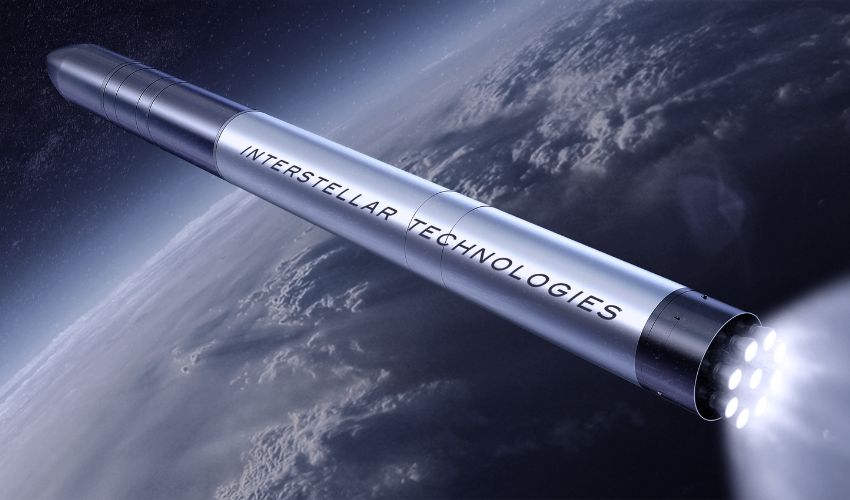 GuidesInterstellar Technologies Uses Additive Manufacturing to Accelerate Japan’s Space RaceSpaceX, NASA, ESA, Relativity Space, Blue Origin…what do these all have in common? Why they are all using additive manufacturing in the use of space exploration. And while you may notice that that that list includes many examples from Europe…
 NewsDam Project in China to Be Worlds Largest Robotic 3D PrintChina is already widely known for its focus on innovation and new technologies. Recently, the East Asian country announced, that it will be relying on additive manufacturing in addition to artificial intelligence to build a dam on the Tibetan Plateau.…
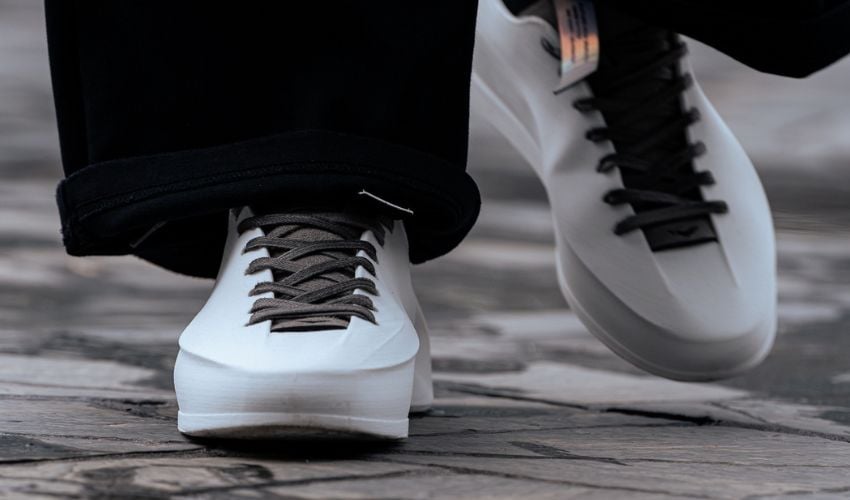 GuidesServati Modernizes Italian Footwear with 3D PrintingFor several years, 3D printing has made a full entry into the footwear industry, allowing designers to create their own artistic pieces without aesthetic limits. With the goal of bringing not only innovation but also sustainability to the sector, the…
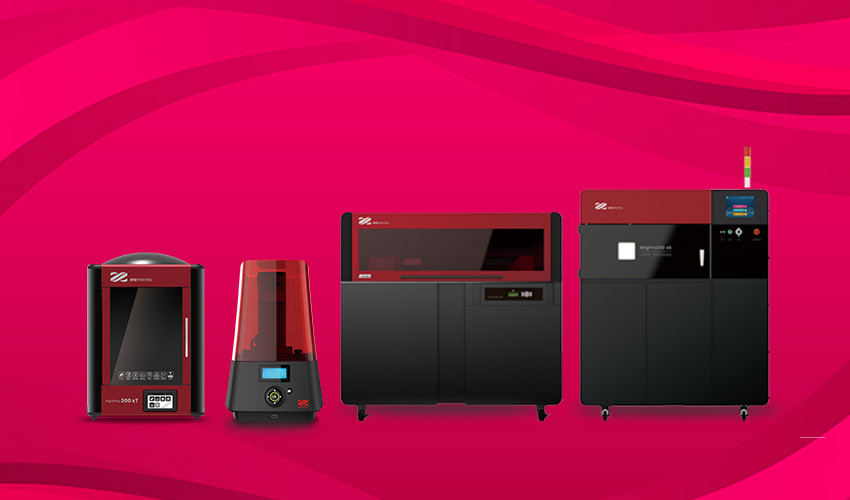 PrintersXYZPrinting unveils disruptive 3D printers for the professional marketWith the launch of its new range of colour 3D printers a few months ago, the Asian company XYZprinting is providing competitive solutions for the professional market. The company aims to repeat the success of its desktop products with its…