News
#3DExpress: Pelagus 3D and Doosan to Push 3D Printing Adoption in Korea
To round off the week, we’d like to take a look back at five news items that have left their mark on the additive manufacturing sector. And we’ll start with news from Pelgas 3D and Doosan Enerbility who are seeking…
- 3 min read
- News
- Six more stories

To round off the week, we’d like to take a look back at five news items that have left their mark on the additive manufacturing sector. And we’ll start with news from Pelgas 3D and Doosan Enerbility who are seeking to further push adoption of on-demand 3D printing in Korea in the maritime and offshore industries. We’ll then take a look at the medical world, where 200 patients have received a 3D-printed ocular prosthesis. Finally, we’ll meet up on a Formula 1 circuit to see the performance of a 3D-printed drone. Happy reading and have a great weekend!
Pushing 3D Printing in Korea
A peninsula surrounded by water on all sides, it is perhaps not surprising to hear that Korea’s maritime industry is quite robust. However, its adoption of additive manufacturing has been less so, though two companies hope to change that. Pelagus 3D, a joint venture company of thyssenkrupp and Wilhelmsen, has signed a memorandum of understanding to push the adoption of 3D printing in the Korean maritime sector. The collaboration is expecte dto bring together Pelagus 3D’s experience in maritime AM with Doosan Enerbility’s experience in spare parts to address supply chain issues in the country. Knelip Ong, CEO of Pelagus 3D, commented, “The MOU signing with Doosan Enerbility marks a pivotal milestone in creating a more resilient and efficient spare parts supply chain. This collaboration will drive technological innovation and deliver enhanced value to our network in Korea. The Pelagus Platform will ensure seamless integration and accelerate adoption of AM among OEMs and end users.”
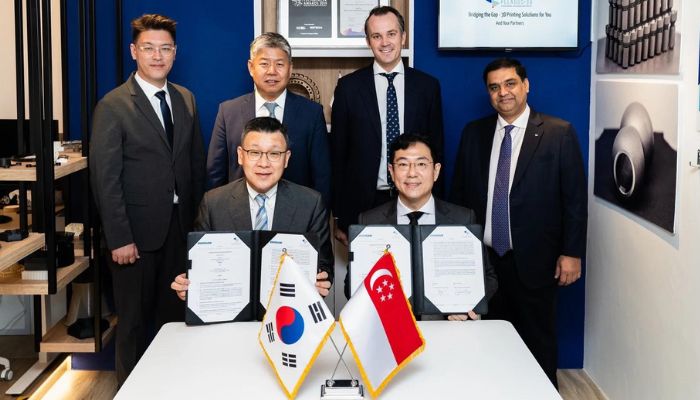
The signing of the MOU between Pelagus 3D and Doosan to promote 3D printing in the maritime sector in Korea (photo credits: Pelagus 3D)
3D Printed Eye Prostheses
At the Fraunhofer Institute, a team of researchers has used additive manufacturing and artificial intelligence to more quickly design and make customized eye prostheses. According to them, this combination could reduce manufacturing time by 80%, thus overcoming certain production challenges. The prosthesis has a very realistic appearance and is said to be very comfortable, avoiding the need for the wearer to change the implant every 5 to 10 years. Created using PolyJet technology in just 90 minutes, it can be installed in 15 minutes. After 10 successful clinical trials at Moorfields Eye Hospital, a further 200 adult patients have been fitted with a 3D-printed ocular prosthesis.
More from the desk
Six other notes from the rest of the bench.
 NewsA Medieval Castle Was Restored Using 3D TechnologiesIn Italy, additive manufacturing has already been used several times to decorate spaces. And the number of projects is growing steadily. Take for example the city of Lucca, with its 3D printed plastic benches, or Riso Paradiso, a Sicilian ice…
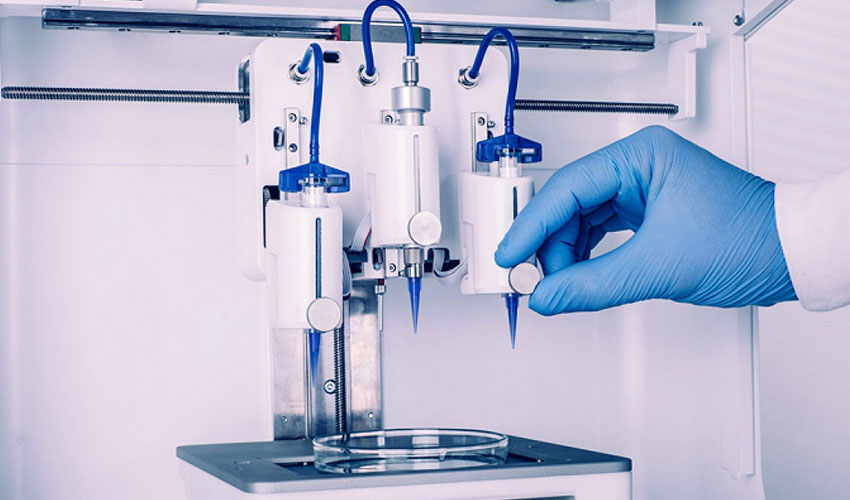 PrintersCELLINK, providing researchers with affordable bioprinting technologyRecently, CELLINK, based in Boston, launched the BIO X6 bioprinting platform. This six-printhead bioprinting platform enables users to combine more materials, cells and tools than other systems currently available on the market. In fact, the company specialises in designing and&h
 Applications3D Printed Human Islets for Better Treatment of Type 1 DiabetesAccording to the WHO, over 800 million people worldwide suffer from diabetes. While type 2 diabetes can be prevented with a healthy diet and sufficient exercise, the causes of type 1 diabetes have not yet been fully researched. This type…
 NewsColumbia Engineers 3D Print and Laser-Cook a Complete Three-Course MealImagine sitting down to a three-course dinner where every dish, from appetizer to dessert, was entirely 3D printed and cooked by laser. That vision became reality at Columbia University, where researchers produced a complete meal featuring a quiche-inspired tart, cauliflower&hell
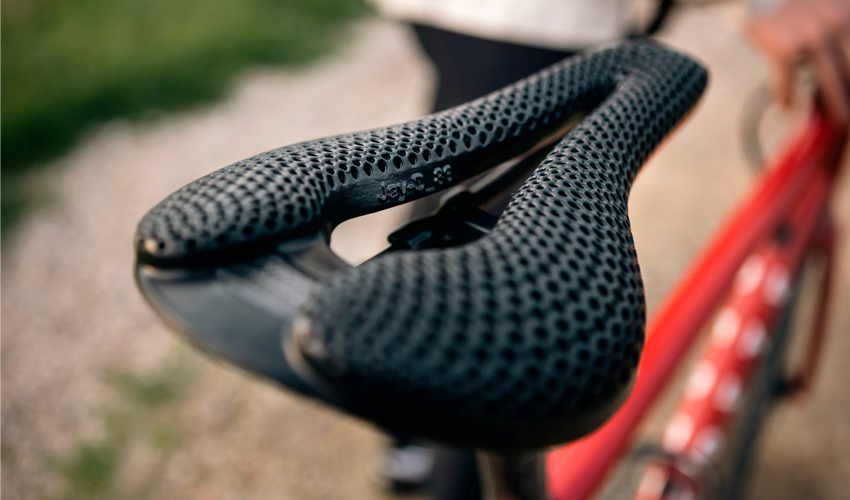 NewsCreating More Optimized Bicycle Saddles Thanks to Industry 4.0 TechnologiesIn the world of sports, cycling and 3D printing have been proven time and again to be a winning duo. This is especially the case in areas in which technology can play a key role in improving performance. One such…
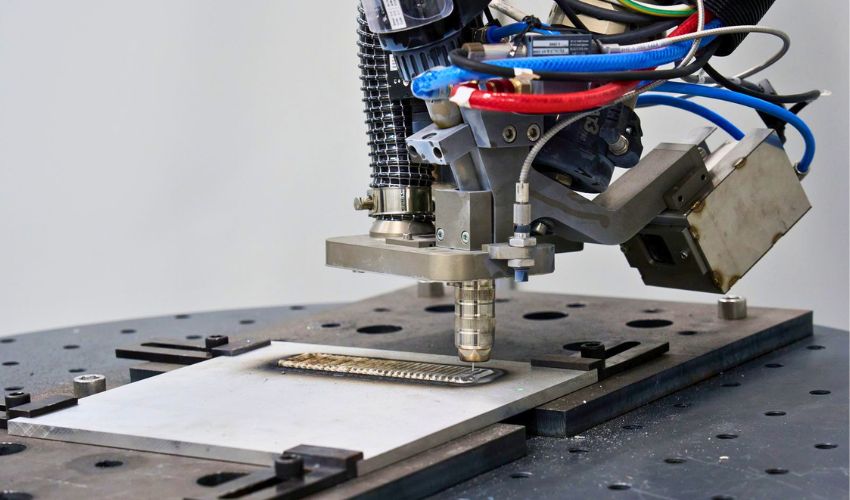 ApplicationsHyundai and Kia Open Dedicated Additive Manufacturing Center in South KoreaHyundai Motor Group installed its first industrial 3D printer in 1996. Nearly 30 years later, Hyundai Motor and Kia have opened an entire facility dedicated to additive manufacturing research and production: the Additive Manufacturing Solution Center (AMSC), located at the&hellip