Applications
3D printing bone, a way to treat fractures?
At the University of Arizona, a team of scientists is working on a 3D printing process to more effectively treat fractures, especially those of the US military. Dr. Szivek, a biomedical engineer and professor of orthopedic surgery in charge of the…
- 3 min read
- Applications
- Six more stories
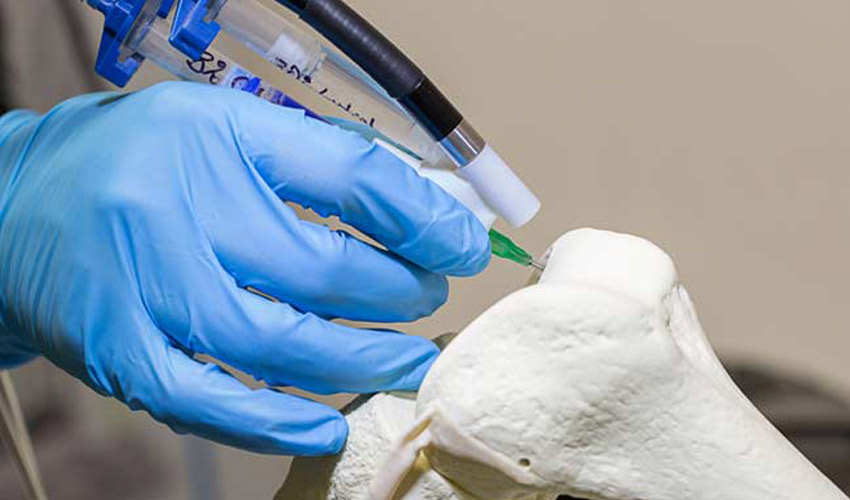
At the University of Arizona, a team of scientists is working on a 3D printing process to more effectively treat fractures, especially those of the US military. Dr. Szivek, a biomedical engineer and professor of orthopedic surgery in charge of the study, has just received a $ 2 million grant from the Department of Defense to accelerate his research and propose a quick fix to consolidate a fractured bone. In short, creating a way to be 3D printing bone.
The medical additive manufacturing is growing and the examples in terms of applications possibilities: 3D printed implants, bio-printed human tissue or manufacture of functional components, the list is large. It must be said that 3D technologies evolve rapidly and offer treatments that are much more adapted to each patient, allowing the medical sector to develop further. Dr. Szivek wants to combine 3D printing with adult stem cells to fully treat fractures.
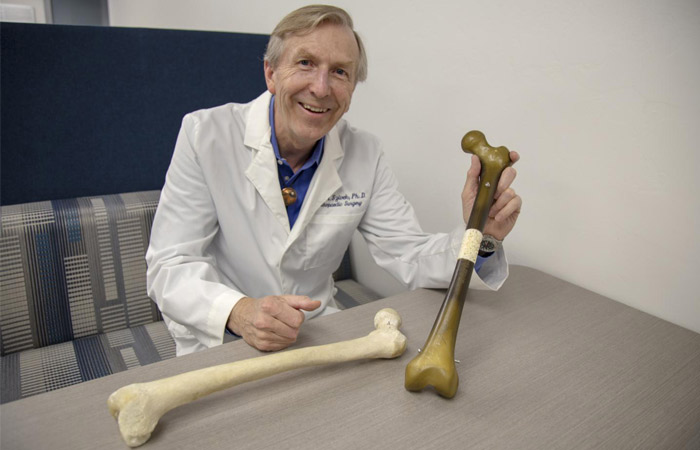
John Szivek (Photo credits: Nadia Whitehead / UA College of Medicine – Tucson)
The professor explains; “Imagine an impact that causes half of a long bone to shatter so that it can’t be put back together—no current surgical treatment can ensure that kind of injury will heal,” He continues: “This is a really big problem for the military, where explosions or combat injuries can cause big bone defects.” Professor Szivek will therefore work with clinical partners in the UA Department of Orthopaedic Surgery throughout the process. This to 3D print biomimetic scaffolds, capable of replacing long bone segments, whether broken or even missing. They should be filled with calcium particles and adult stem cells, two agents that allow for much faster healing and bone growth. Once implanted, scaffolding would serve as a model for bone growth.
More from the desk
Six other notes from the rest of the bench.
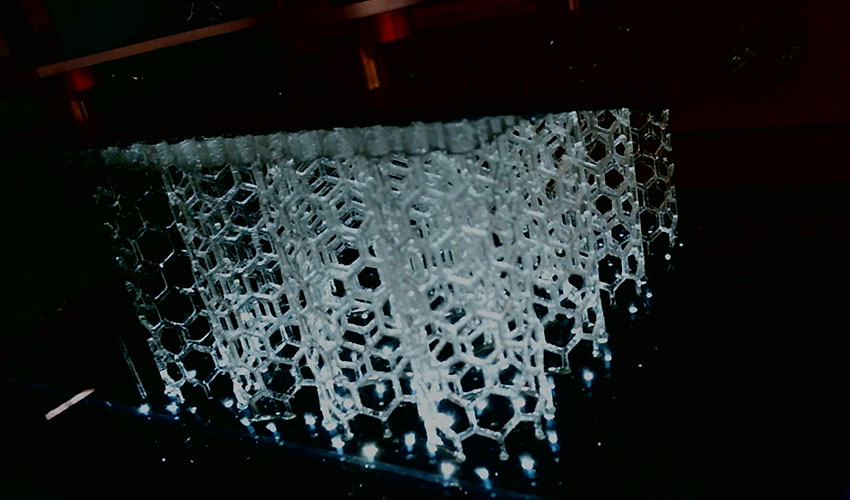 PrintersHARP 3D printer delivers record throughput in 3D printingResearchers at Northwestern University in Illinois have developed a new 3D printer that can supposedly print at record speed, around half a yard (46 cm) per hour, a ground-breaking throughput in the world of 3D printing. The system is known…
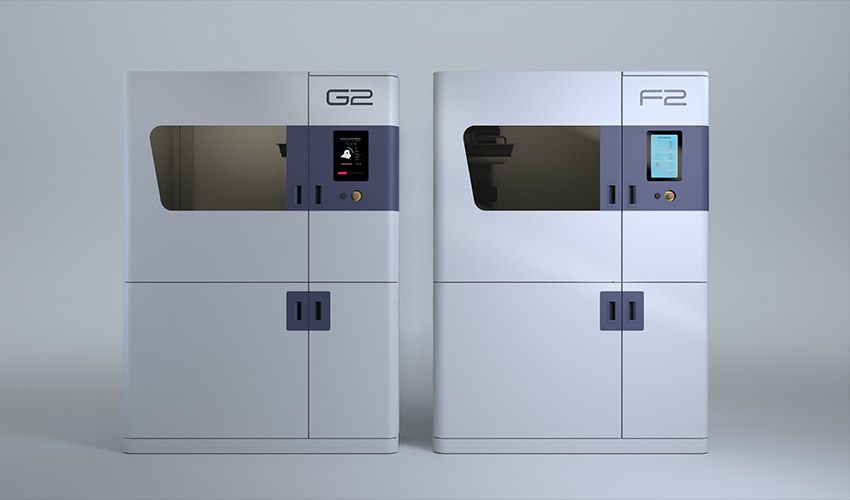 PrintersGenera’s industrial G2/F2 system streamlines all steps of the AM workflowFounded in 2015, Genera is a Viennese startup that is developing comprehensive 3D printing solutions. During its development phase, the startup identified a key limitation users were facing during production. In fact, users were often left to themselves to manually…
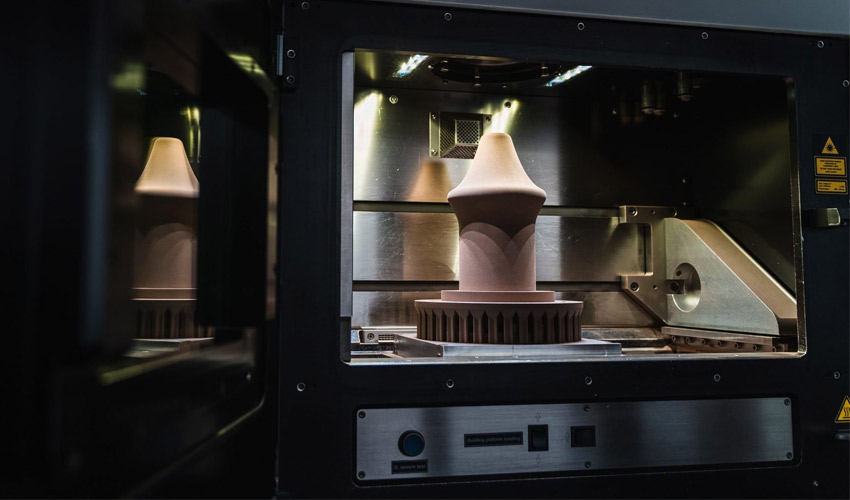 NewsA 3D Printed Aerospike Nozzle Rocket Engine Ready to Take FlightSpanish startup Pangea Aerospace and the company Aenium have signed a partnership to develop and industrialize advanced 3D printed combustion devices made from innovative materials. Together, they have designed a 3D printed aerospike nozzle rocket engine that should be 15%&hellip
 NewsTop 5 Videos: 3D Printed Houses & More!This week’s Top 5 Videos include a variety of videos from many big names in 3D printing and general manufacturing. This ranges from 3D printing giant 3D Systems and desktop FDM 3D printer brand Ultimaker, to MIT research. Remember, a…
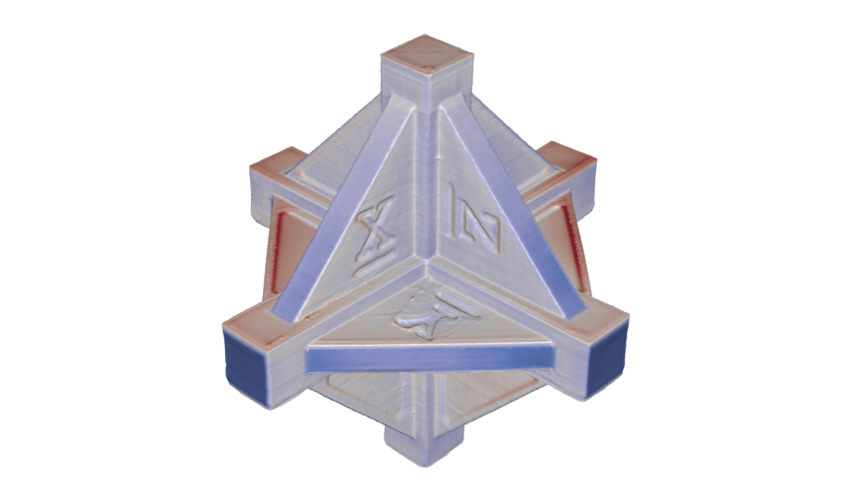 SoftwareRiven Launches New Re-Scaling Tool to Prevent Shrinkage and WarpingBerkeley-based American company, Riven is launching a brand new re-scaling tool in order to reduce the effects of shrinking or warping incurred during the printing process on all 3D printed parts and allow users to print parts more accurately. The…
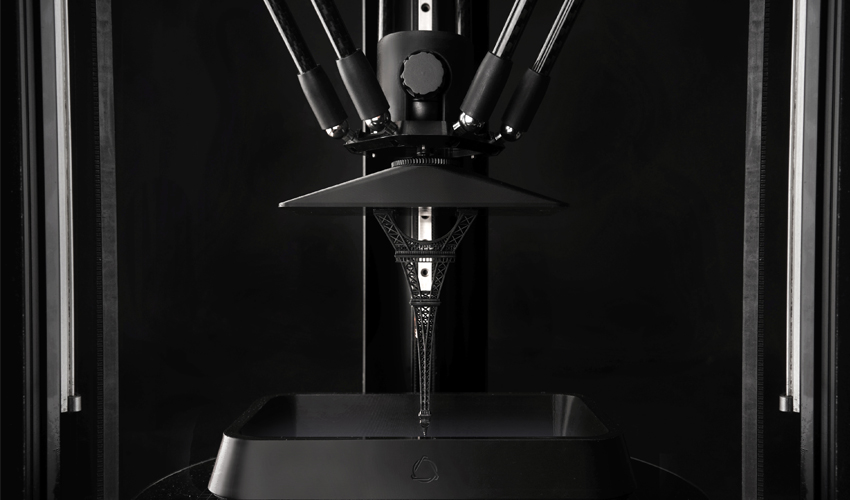 PrintersAtom 3, the first 3D printer that combines FDM and SLA into one3D printer manufacturer Layer One has just revealed its latest machine the Atom 3, which is capable of combining two 3D printing technologies, FDM, and stereolithography. In addition, check out our Top 10 resin 3D printers for some similar printers.…