News
Job Offers and 3D Printing: What Are the Major Trends and Developments?
Every year, 3Dnatives takes a look back at the 3D printing job market, to find out what the major trends are for the coming years. To do this, we rely on the job offers published on our Job Board, in…
- 3 min read
- News
- Six more stories
Every year, 3Dnatives takes a look back at the 3D printing job market, to find out what the major trends are for the coming years. To do this, we rely on the job offers published on our Job Board, in French, English, Spanish, Italian and German. And in 2023, there were over 650 such vacancies, 81% of them for permanent contracts. Recruitment is a long-term process, and has been for several years now, proving that companies want to consolidate their teams and are betting on a forward-looking strategy. In terms of profiles, the trend remains constant: the market is looking for technicians, operators and engineers with specific knowledge and skills. 62% of vacancies published call for this type of qualification. Last but not least, the 3D printing software sector has confirmed its place in the job market, with an increasing number of vacancies published over the last three years.
Let’s begin our analysis with something that is slightly less positive: compared to 2022, 2023 was less successful in terms of the number of job offers published (900 versus 668). It has to be said that the market has undergone upheavals in an uncertain economic and political context. Many companies implemented massive redundancy plans, curbed recruitment and preferred to consolidate their gains. As a result, supply was not as plentiful as it was after COVID. But the market remains buoyant, thanks in particular to large companies and end-users who are beginning to invest in additive manufacturing and build up dedicated clusters.
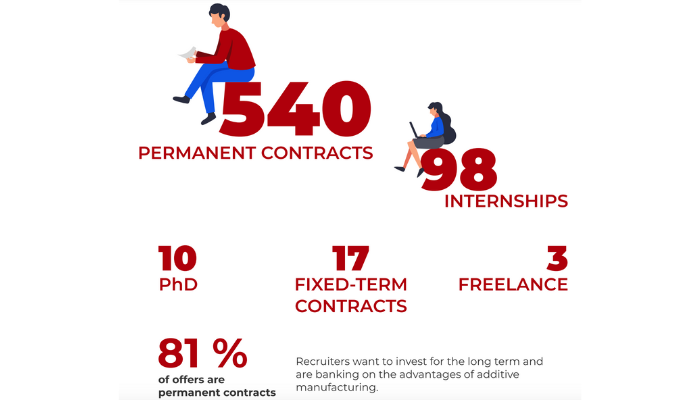
Types of contracts sought after
What Are the Most Sought-After Professions?
Once again this year, jobs in production, design and development were in the greatest demand. These are jobs that call on technical skills and generally involve hardware. Examples include 3D printer operators, production managers, machine designers, etc. The “Maintenance and Support” branch accounts for 14% of published job offers.
More from the desk
Six other notes from the rest of the bench.
 ApplicationsINTENSE M1 Mountain Bike Integrates 3D Printing for Unmatched PerformanceFor downhill mountain bikers, conquering large drops and navigating unpredictable terrain requires lightweight, durable biking equipment. INTENSE’s M1 has long been a leader in the pack, but has recently taken a step forward to further innovate their bicycles. Through a&hel
 MaterialsGravity Industries & Ricoh 3D Partner On Human Flight ProjectRicoh 3D has announced they are partnering once again with Gravity Industries, this time with the goal of producing Gravity’s latest human flight project, the Electric Jet Suit. Having experienced great success with Gravity’s Jet Suit over the past four…
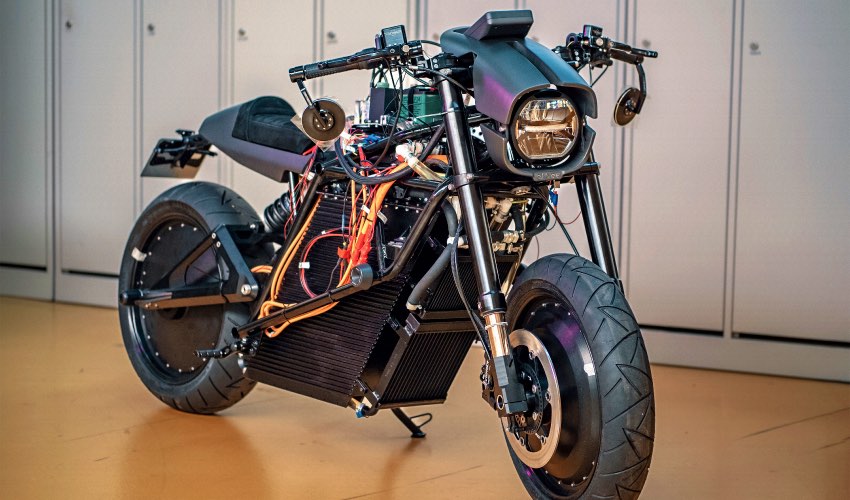 ApplicationsETH Zurich and Sintratec build a sustainable 3D printed motorcycleNowadays, additive manufacturing is often used to create parts for all kinds of vehicles, be it a sports car, a bicycle, or an aircraft. The latest news is about a project that aims to change the mobility of tomorrow by…
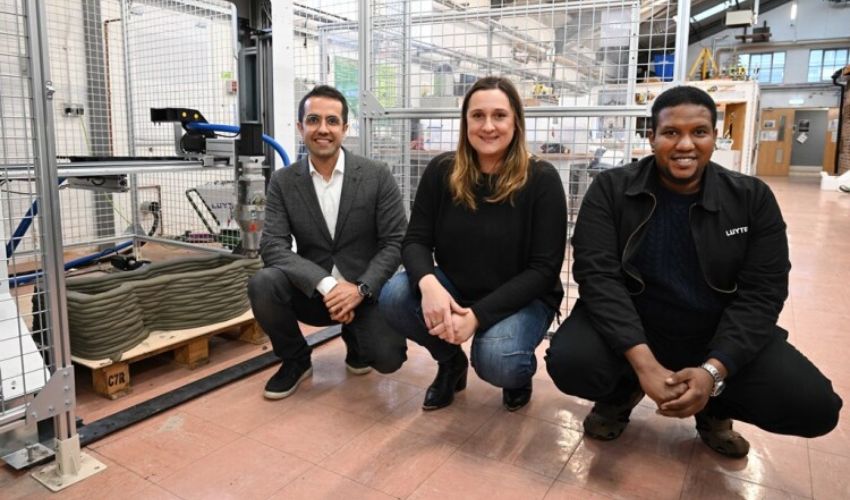 NewsNorthumbria University Aims to Combat Housing Crisis with Construction 3D PrintingConstruction 3D printing promises many advantages over traditional methods. It is often hailed as faster, cheaper and more sustainable than typical builds. However, there is still room for improvement. Concrete, the most commonly used material for construction 3D printing, leaves
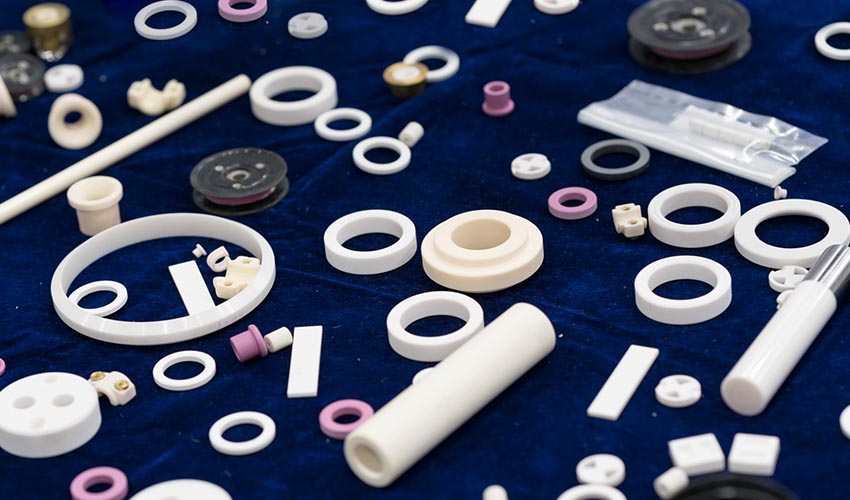 NewsIndustrial ceramic AM will grow into $4.8 billion revenue opportunity by 2030The market research firm SmarTech Analysis has issued a new report on the ceramic 3D printing market – Ceramics Additive Manufacturing Part Production: 2019-2030 – which identifies the most commercially important additive manufacturing technologies, material types and
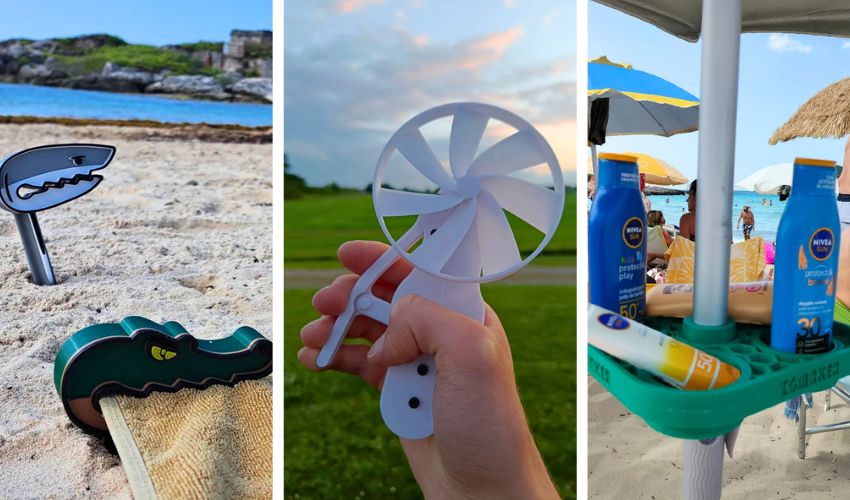 GuidesTop Gadgets to 3D Print For The SummerSummer officially arrived just a few days ago, bringing with it long evenings, beach trips, and time spent outdoors. Whether you’re spending a weekend by the water or just soaking up the sun in the backyard, a 3D printer can…