News
Industrial ceramic AM will grow into $4.8 billion revenue opportunity by 2030
The market research firm SmarTech Analysis has issued a new report on the ceramic 3D printing market – Ceramics Additive Manufacturing Part Production: 2019-2030 – which identifies the most commercially important additive manufacturing technologies, material types and
- 3 min read
- News
- Six more stories
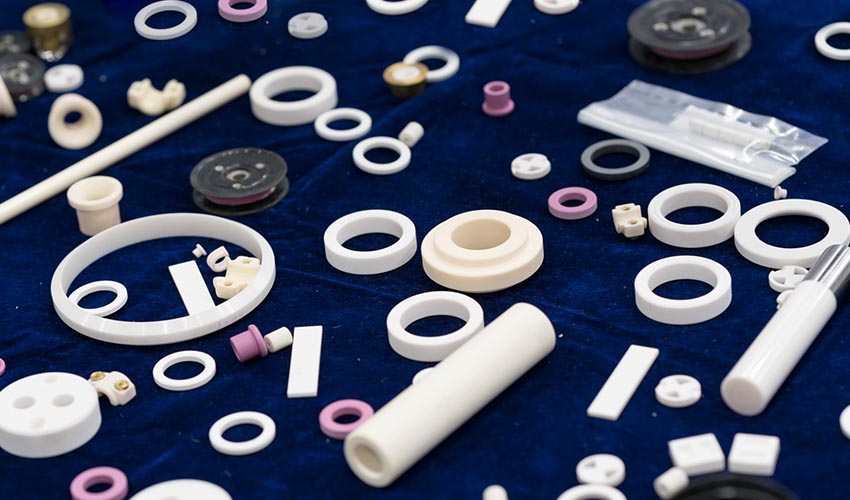
The market research firm SmarTech Analysis has issued a new report on the ceramic 3D printing market – Ceramics Additive Manufacturing Part Production: 2019-2030 – which identifies the most commercially important additive manufacturing technologies, material types and material form factors, as well as application segments for ceramics additive manufacturing, differentiating between technical and traditional ceramic materials. The research firm had already released a report on this segment of additive manufacturing in 2017. Some of its forecasts have been adjusted, however the firm does not believe that COVID-19 will hinder growth by a large margin given its figures.
In the report, SmarTech Analysis expects that despite current disruptions due to COVID-19, the overall ceramics AM industrial sectors, including hardware, materials and application revenues, will grow into a $4.8 billion revenue opportunity by 2030. It had previously predicted that it would generate $3.8 billion by 2028. Final parts value for both technical and traditional ceramic parts will continue to represent the most significant opportunities, driving the market for the medium to long-term future.
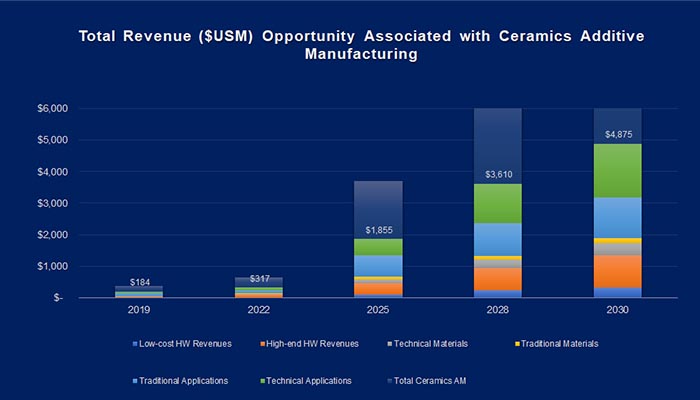
Image via SmarTech Analysis
Industrial Ceramic AM is Growing
SmarTech explains that the adoption of ceramic additive manufacturing will jump in 2025 because 3D printing technologies capable of supporting ceramic final part production will finally be mature. By this the firm means that manufacturers will finally be able to use systems for series production instead of prototyping, which will in turn drive market demand and revenue. Moreover, technical ceramics applications are forecasted to grow the most. These ceramics showcase great properties including mechanical, thermal, chemical and electrical resistance – especially useful in sectors such as automotive or aerospace.
More from the desk
Six other notes from the rest of the bench.
 NewsWhat to Expect at AMTC 2022?This year, for the fifth time, the annual Advanced Manufacturing Technology Conference (AMTC) will be taking place for all those interested in AM on October 11th and 12th on the campus of the Technical University of Munich (TUM). The event…
 Software3DEXPERIENCE Make, Dassault Systèmes’ on-demand AM platformAdditive manufacturing is revolutionising the industry by leading a real change in production methods: relocation of manufacturing resources, gains in terms of flexibility for the production of prototypes and small series in-house, reduction in lead times and costs, etc. However,
 NewsThe Most Exciting Innovations at RAPID + TCT 2025RAPID + TCT 2025 has closed its doors! But thankfully, we still have plenty of content from the largest additive manufacturing and industrial 3D printing event in North America. This includes a video on some of the coolest 3D printing…
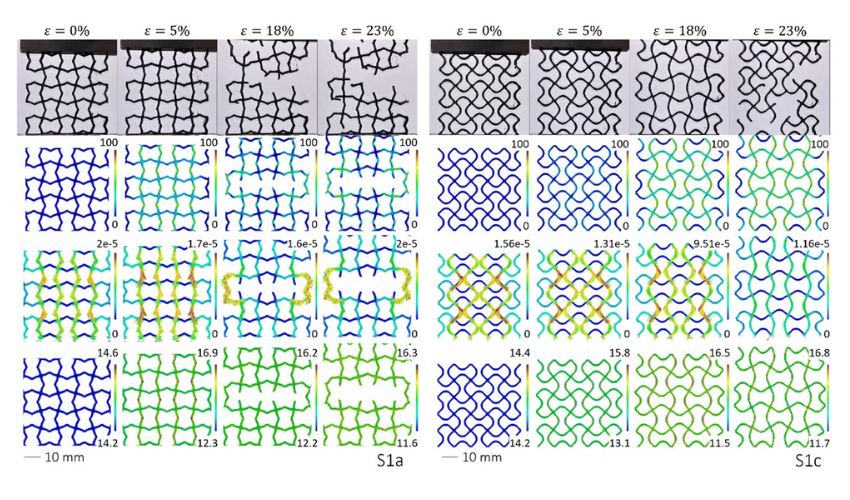 NewsSelf-Monitoring Plastics? Glasgow Researchers 3D Print Auxetic MaterialsPicture yourself stretching a material, say, a rubber band. The more you stretch it, the thinner it becomes. A group of researchers from the University of Glasgow designed a material that does the opposite: plastics that grow wider when pulled.…
 NewsTop 5 Videos: 3D Printed Homes in Texas, Coral Reefs and More!In this week’s selection of top 5 videos about 3D printing, a look behind the scenes of 3D printing company Icon’s project to build four 3D printed homes in Texas. Next, an update on the terracotta 3D printed coral reef…
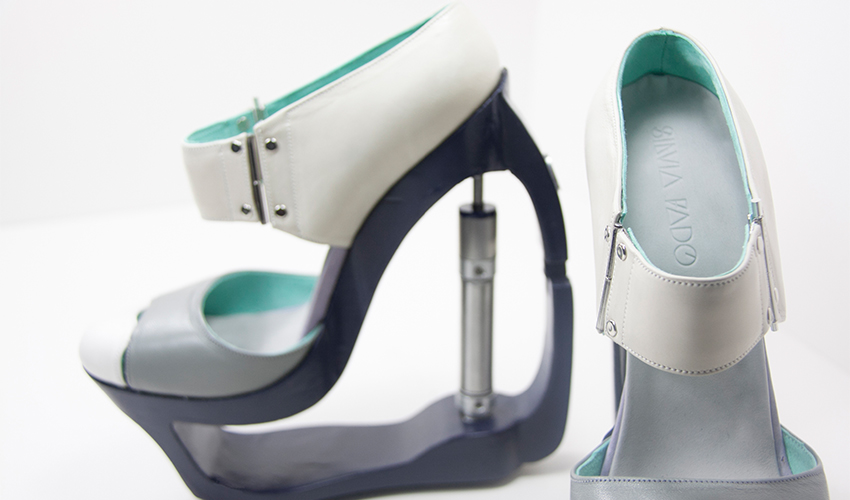 NewsSilvia Fado on innovation in the shoe industry using 3D printingAs 3D printing continues to grow in fashion, it has also very much extended itself into the shoe industry. One designer using the technology for her footwear is Silvia Fado. Her brand, of the same name, was established back in…