News
How are 3D printing technologies reshaping design and architecture?
Architecture is both the process and product of planning, designing, and constructing physical structures. A good architect can often transform an average space into an aesthetically superior and practical design. Several years ago, the architecture and design sector started expe
- 3 min read
- News
- Six more stories
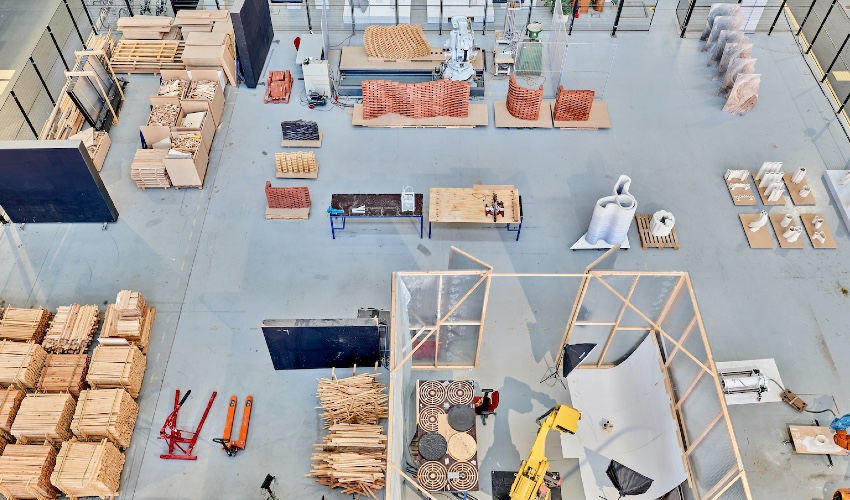
Architecture is both the process and product of planning, designing, and constructing physical structures. A good architect can often transform an average space into an aesthetically superior and practical design. Several years ago, the architecture and design sector started experimenting with 3D printing technologies: in 2015 for example, the largest 3D printed architectural pavilion opened for Beijing Design Week. Today, additively manufactured structures are not much of a shock anymore. It has become almost common for innovative design & construction studios to own a desktop solution to create 3D models of their projects. Additionally, a rapidly growing number of companies all over the globe are choosing to incorporate additive manufacturing in their production processes too, redefining their business model around 3D printing.
So how exactly does 3D printing benefit architecture & design firms? What are the different applications of this advanced technology within the sector? We decided to take a closer look at the current adoption to understand why companies are choosing to integrate 3D printing in architecture and how they are managing it.
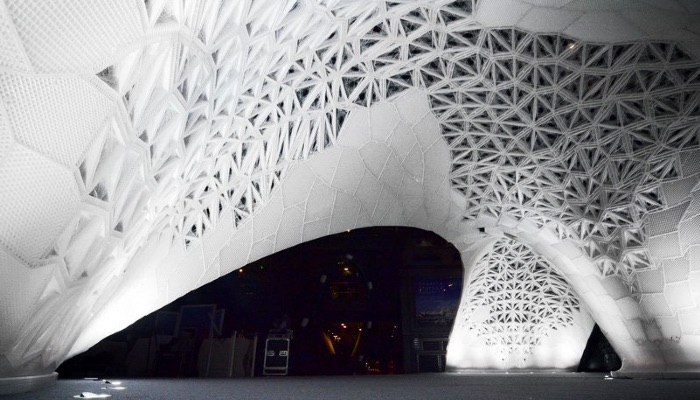
VULCAN, architectural pavilion 3D printed for Beijing Design Week back in 2015 | Image Credits: Laboratory for creative design
What are the benefits of adopting 3D printing in architecture?
If these new techniques did not offer benefits over conventional methods, there probably wouldn’t be much of a reason to integrate the technology in architecture. Indeed, the advantages of 3D printing in architecture and design are numerous are somewhat similar to those in the construction sector. Jose Aguilar, Co-Founder & CEO of the Texas-based māk studio, told us more about the usefulness of additive technologies:
More from the desk
Six other notes from the rest of the bench.
 ApplicationsBentley Combines 3D Printing With Sustainable Rose Gold With “The Black Rose”Bentley is known for designing and building exceptional vehicles using the finest materials. As early as 2022, the company showcased its applications of 3D printing precious metals with a range of 18-karat yellow gold parts for the Batur, which was…
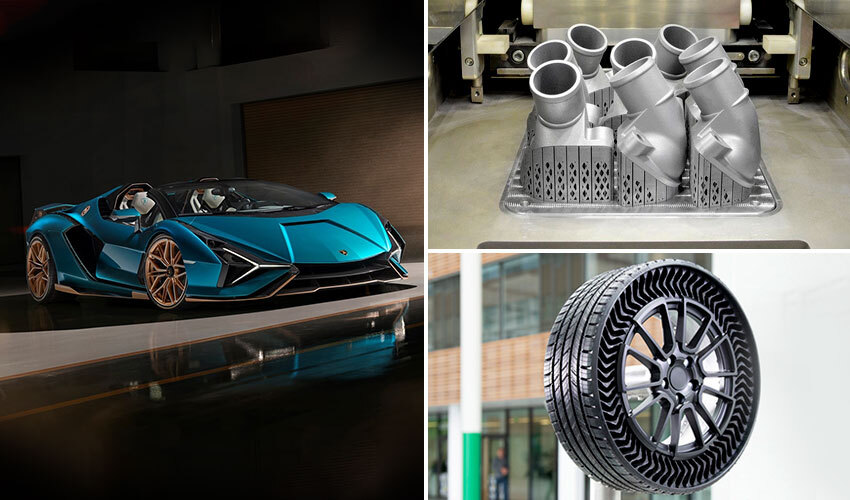 GuidesWhat Are the Most Innovative 3D Printing Applications in the Automotive Sector?Among the application sectors in which we find additive manufacturing technologies, the automotive industry is one that is most taking advantage of them. AM allows large automotive companies to reduce costs, time and weight when producing complex parts. In addition,…
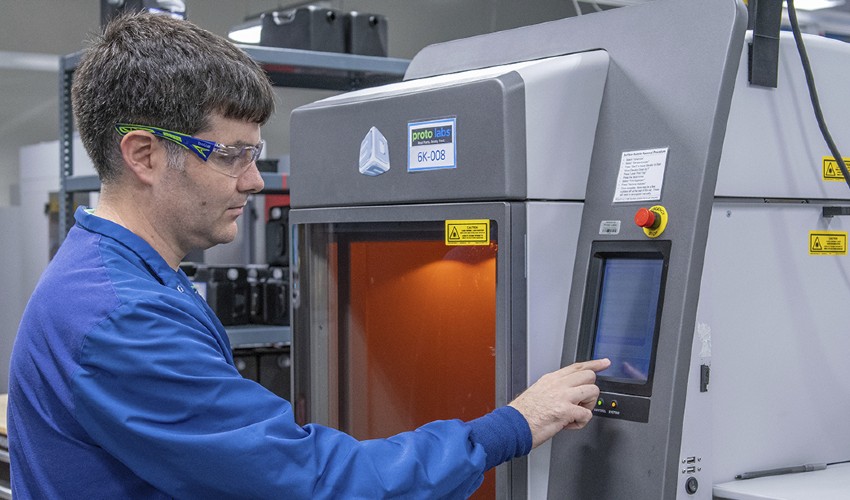 NewsProtolabs acquires 3D Hubs to launch largest digital manufacturing platformFrom today, 3D Hubs will officially become a part of Protolabs. The two companies announced earlier that they had sealed a deal in a definitive agreement. In it, Protolabs will acquire 3D Hubs in a $280 million deal, of which…
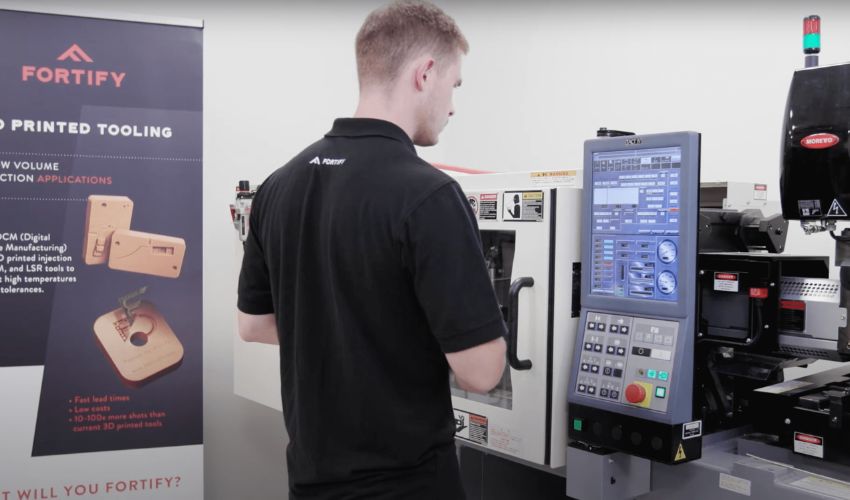 ApplicationsDepartment of Energy Seeks to Advance 3D Printed ToolingThe U.S. Department of Energy (DOE) has awarded $3 Million to polySpectra and Fortify, along with National Renewable Energy Laboratory, MPI Systems, RePliForm Inc, and Oak Ridge National Laboratory (ORNL). This funding will be used for the development of durable,…
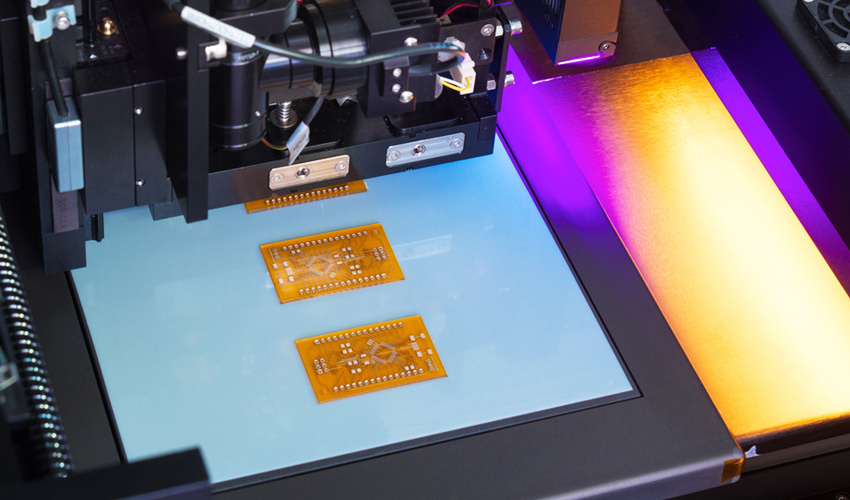 NewsNano Dimension Has Launched a Formal Bid to Acquire StratasysAs the additive manufacturing market continues to grow and mature, consolidation has been a major trend across the entire industry. Last year notably, we saw offers from large companies that were not traditionally in the 3D printing sector, such as…
 ApplicationsBugatti Unveils Tourbillon: The Next-Gen Hypercar with 3D Printed ChassisBugatti has just unveiled the latest generation of its hypercars: the Tourbillon. This new model blends cutting-edge technology, immense power, luxury, and advanced aerodynamics. As the successor to the Chiron, the Tourbillon boasts an impressive 1,800 hp engine and features&hell