News
3D printing helps meerkats imitate wild behavior
In the United States, the Cincinnati Botanical Garden and Zoo has partnered with GE Additive to use 3D printing on a project that could help certain animal species mimic wild behavior. Metal additive fabrication has played a key role in…
- 3 min read
- News
- Six more stories
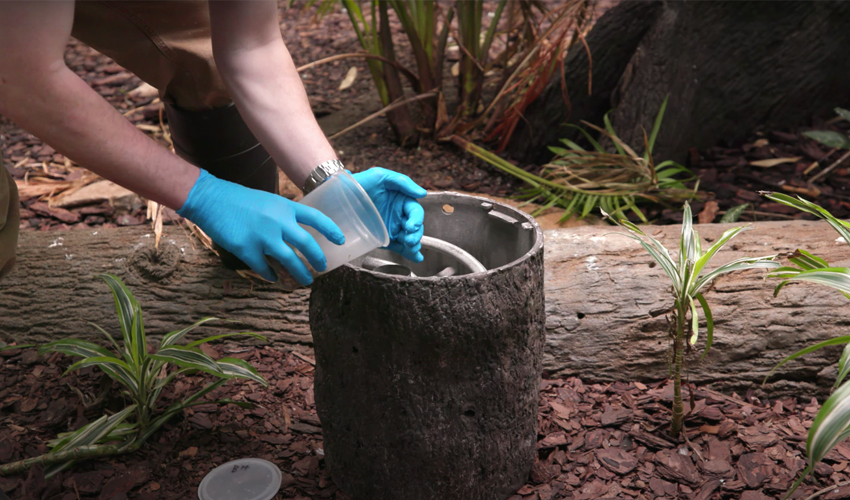
In the United States, the Cincinnati Botanical Garden and Zoo has partnered with GE Additive to use 3D printing on a project that could help certain animal species mimic wild behavior. Metal additive fabrication has played a key role in this initiative. The aim of the project was to create a feeder that would encourage meerkats to behave in a natural foraging situation. This way, the animals would be able to better develop their wild instincts, overcoming the challenges of life in captivity. But how can 3D technology influence the behavior of animal species?
The Cincinnati Zoo is home to more than 2,000 animals, and its main commitment is to provide impeccable care for each of them. David Orban, the zoo’s Excellence Manager, is responsible, along with his team, for documenting how the animals spend their days and interact with their environment. In particular, he focused on meerkats and on enhancing their natural instincts in captivity. Orban said, “We have come up with the idea of creating a more complex feeder that will extend the duration of foraging, in turn, extending the physical activity and mental stimulation of the animals, leading to more natural behavior“. One of the main challenges of this project was the communication between the teams, from engineer to zoologist and vice versa. The other was to help the Cincinnati Zoo team understand all the possibilities of 3D printing.
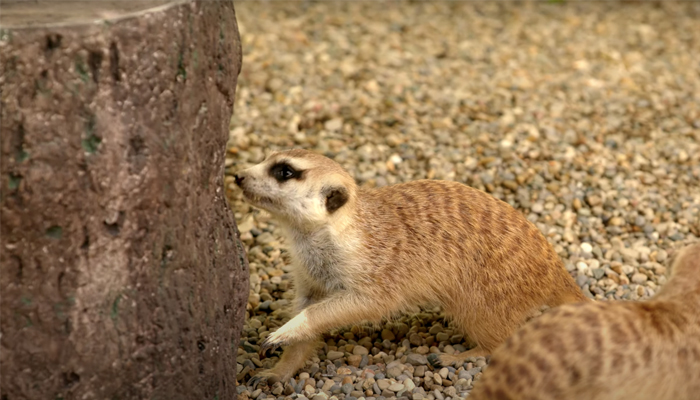
The aim of the project is to encourage the natural behavior of meerkats.
The zoo’s main request was that the animal enrichment device be functional and look natural within the environment. To do this, GE Additive engineers in Cincinnati gathered information from the caretakers and thought about how 3D printing could help solve this problem. After several meetings, the team of zookeepers and GE Additive engineers began to exchange design ideas for the new feeder. The advantage of additive manufacturing in this context is that it allows a design to integrate any type of shape, angle, structure or texture that is needed, whether it is metal or plastic.
More from the desk
Six other notes from the rest of the bench.
 News10 Reasons Why 3D Printing Is Considered SustainableAdditive manufacturing is often seen as a greener alternative to traditional manufacturing methods and mass production, which generates high emissions. One reason for this is that 3D printing only adds materials where they are actually needed, thus reducing waste. Although&hellip
 GuidesPorsche on the use of additive manufacturingA few weeks ago, the car manufacturer Porsche presented 3D printed pistons for the engine of its famous model 911 GT2 RS. Additive manufacturing allowed Porsche to reduce the overall weight of the part as well as the production lead…
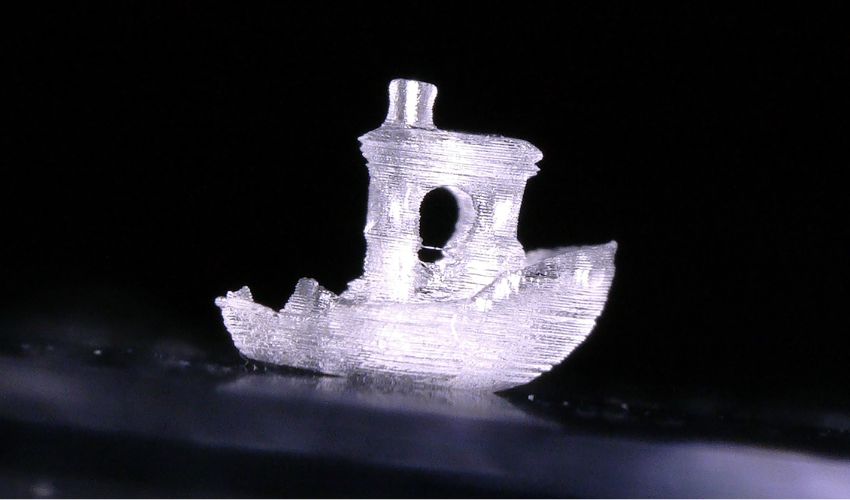 NewsHow Researchers Are Using Holograms to Improve 3D PrintingCan holograms improve the additive manufacturing process? This is the subject of a study by a team of scientists from EPFL and the University of Southern Denmark. They sought to understand how to perfect tomographic volumetric additive manufacturing (TVAM). Instead…
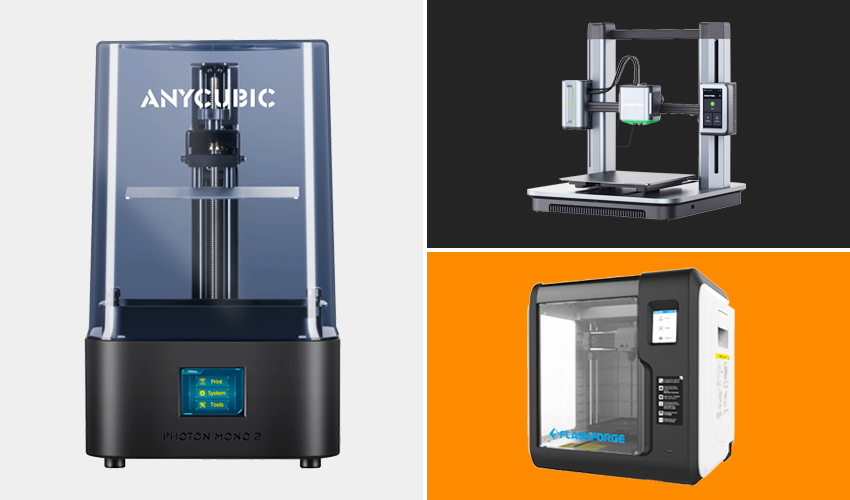 PrintersThe Best 3D Printers to Buy on AmazonAmazon is undoubtedly one of the world’s largest e-commerce platforms, with hundreds of thousands of products, from books to furniture to fashion accessories and…3D printers. The company is in fact a major distributor of 3D equipment, offering different technologies a
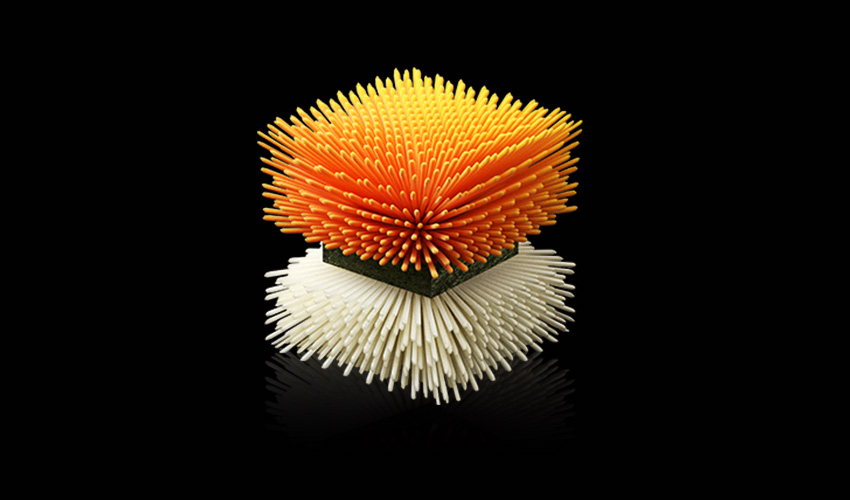 GuidesOpen Meals, creating 3D printed sushiA few weeks ago during the South by SouthWest fair the Asian company Open Meals presented its project ‘Sushi Singularity’, or in other words its 3D printed sushi project. A new endeavour that will undoubtedly revolutionise the 3D printed food…
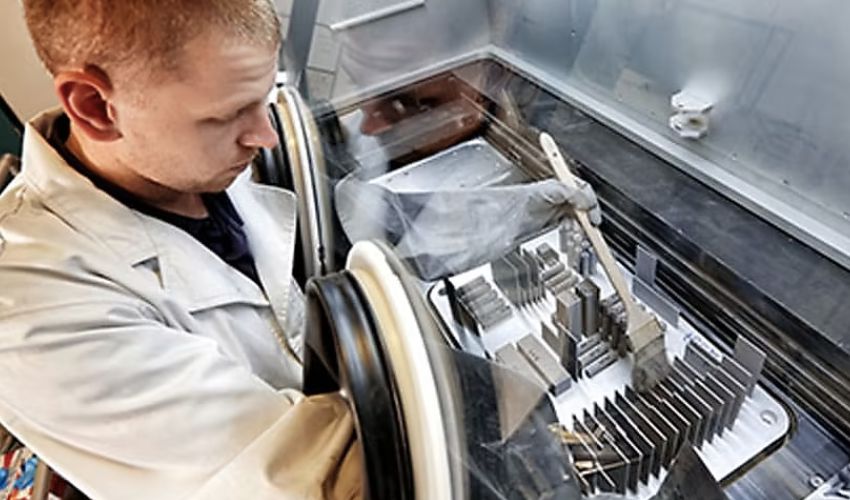 NewsJoint Venture Between Amaero And Abu Dhabi Firm Will Foster Metal Additive ManufacturingAdditive manufacturing is gaining momentum worldwide, but in certain parts of the world it is less established than in others. In a significant move towards the adoption of the technology in the Middle East, the Australian firm Amaero International Limited,…