News
How Researchers Are Using Holograms to Improve 3D Printing
Can holograms improve the additive manufacturing process? This is the subject of a study by a team of scientists from EPFL and the University of Southern Denmark. They sought to understand how to perfect tomographic volumetric additive manufacturing (TVAM). Instead…
- 3 min read
- News
- Six more stories
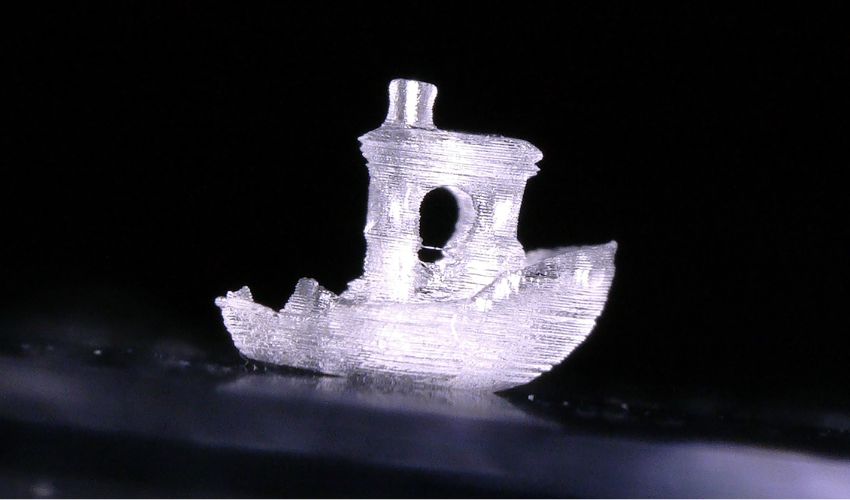
Can holograms improve the additive manufacturing process? This is the subject of a study by a team of scientists from EPFL and the University of Southern Denmark. They sought to understand how to perfect tomographic volumetric additive manufacturing (TVAM). Instead of depositing material layer by layer, laser beams are projected onto the rotating resin tray. While this method saves considerable time, it is also more inefficient and energy-consuming. But the team of scientists seems to have found a solution by projecting a hologram directly onto the moving resin tray. What impact could this method have on the additive manufacturing market?
We’ve been hearing about volumetric 3D printing, also known as tomographic 3D printing, for some years now. It involves repeatedly projecting a pattern into a vat filled with transparent liquid resin, from different angles. Unlike additive manufacturing, it is possible to create a shape in a single operation, as layers are not superimposed, but a defined volume of material is “frozen.” In addition to the speed of the process, the user is also freed from the need for printing supports, since the resin acts as such, in the same way as the powder tray in SLS.
More from the desk
Six other notes from the rest of the bench.
 NewsMani.me and their 3D printed Nails; the future of manicures?The technologies of additive manufacturing’s impacts is constantly brought to different sectors from food to vehicles, through fashion and reaching consumer products. However, believe it or not, 3D printing technologies have gone into manicures… Or at least that is th
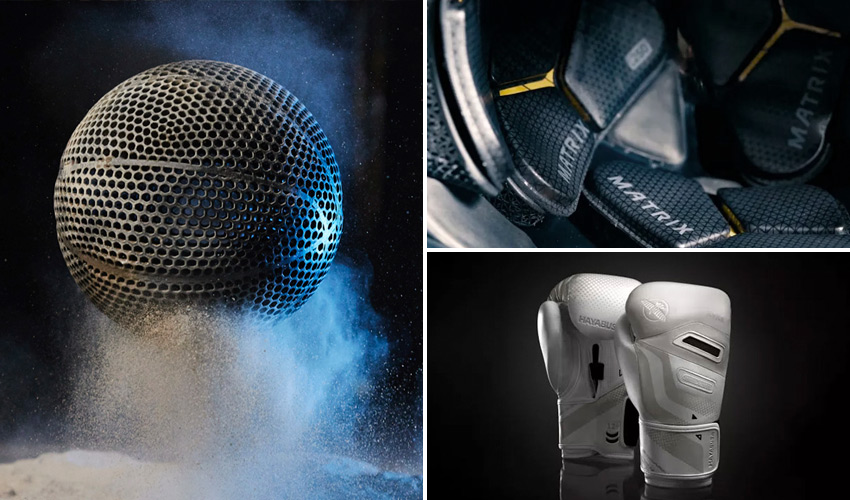 GuidesThe Top 3D Printing Applications in Sports3D technologies are ever increasingly being used in the consumer goods sector. In particular, we have seen a growing role for additive manufacturing in the sports industry over recent years. Not only that but 3D printing in sports is not…
 NewsStriatus, The First 3D Printed Bridge Made From Unreinforced ConcreteArchitects and engineers from ETH Zurich, in collaboration with Zaha Hadid Architects and Incremental3D, among others, have designed a 3D printed bridge made of unreinforced concrete. The 12 x 16-meter arched bridge is being installed in a park in Venice…
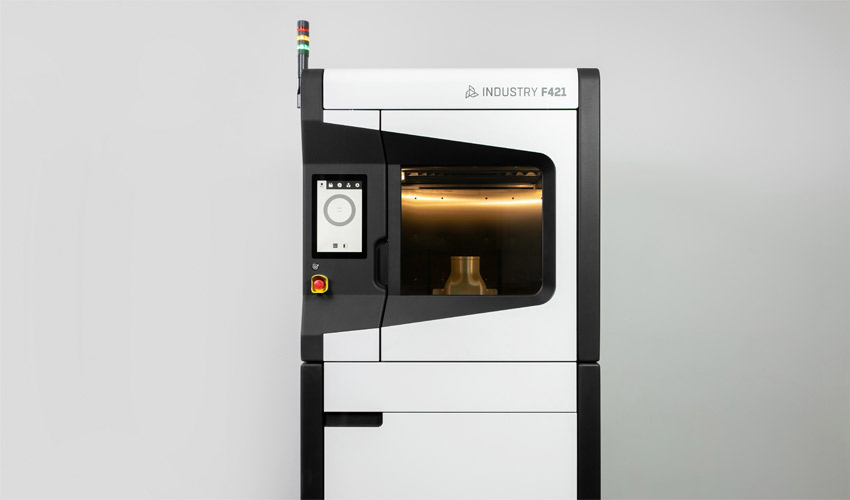 Printers3DGence Focuses on Reliable and Repeatable High-Performance 3D PrintingEuropean manufacturer 3DGence has announced the launch of a new industrial FFF machine which is compatible with high performance materials. Called INDUSTRY F421, it joins the already proven range of printers from the company and seeks to meet the needs…
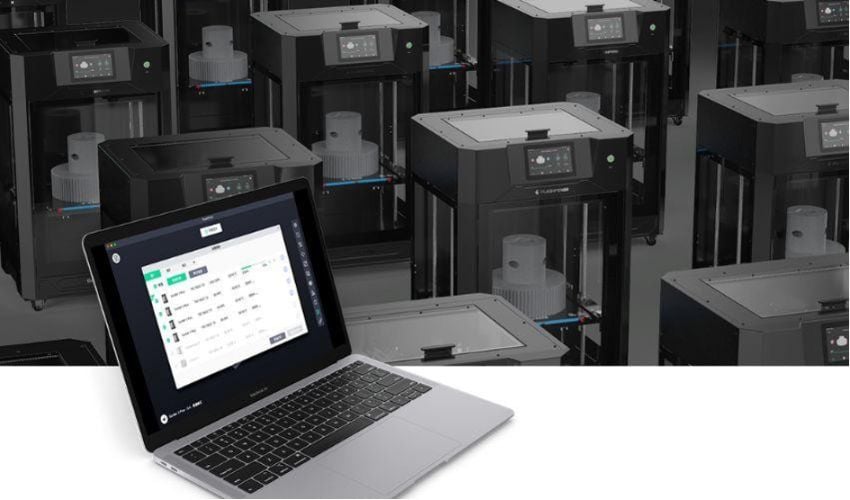 PrintersFlashforge Launches its New Guider 3 PLUS 3D PrinterChinese 3D printing manufacturer Flashforge has just launched its new FDM 3D printer, the Guider 3 PLUS. The Zhejiang province-based company has already expanded its presence internationally, selling its products to nearly 100 countries and regions around the world since…
 NewsA 3D printed and recycled wood cabinWhat if we reuse wood waste to make small houses and other constructions? That’s the idea behind Ashen Cabin, a cabin imagined by the HANNAH design studio: using emerlad-ash-borer-infested wood (a species of beetle insect), the American company used 3D printing…