News
10 Reasons Why 3D Printing Is Considered Sustainable
Additive manufacturing is often seen as a greener alternative to traditional manufacturing methods and mass production, which generates high emissions. One reason for this is that 3D printing only adds materials where they are actually needed, thus reducing waste. Although&hellip
- 3 min read
- News
- Six more stories
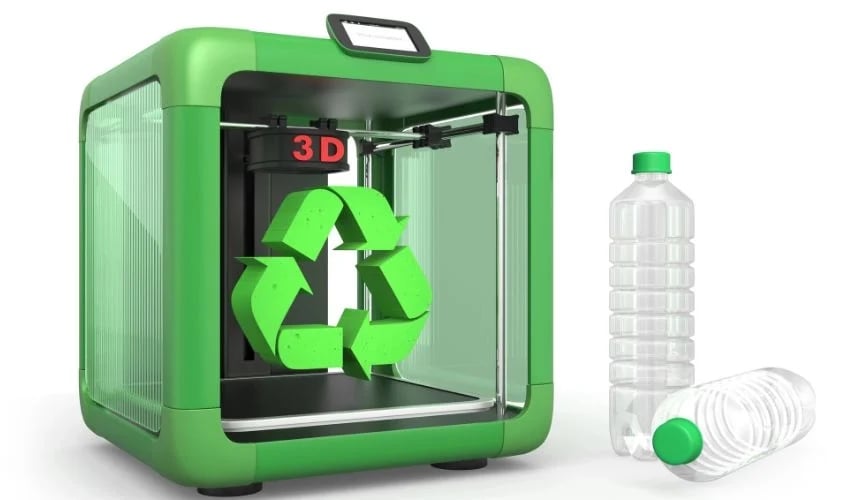
Additive manufacturing is often seen as a greener alternative to traditional manufacturing methods and mass production, which generates high emissions. One reason for this is that 3D printing only adds materials where they are actually needed, thus reducing waste. Although the sustainability benefits of 3D printing depend on the process, materials and components used, it offers many opportunities to make industry more sustainable and respectful of our resources. The UN’s Sustainable Development Goals are also encouraging industry to pursue greener strategies, such as climate protection measures or more sustainable consumption and production patterns. In this article, we present ten reasons why 3D printing is considered more sustainable, and the potential of this manufacturing technology for a more environmentally friendly future.
#1: Reduction of Waste and Material
Compared to traditional manufacturing methods, 3D printing offers advantages in terms of waste reduction. In general, subtractive processes such as turning, drilling or sawing generate more material waste, for example in the form of chips. This problem does not arise with 3D printing, as the material is used directly for the layer-by-layer construction of the object. However, it must be stated that the generation of waste varies depending on the technology, as powder and resin printing processes generate more waste than other 3D printing technologies due to the need for support structures or excess powder that cannot be fully reused. Still, by precisely planning the required material, software functions can optimize the 3D model to minimize material usage. This ensures a more efficient use of resources and reduces energy consumption and machine emissions.
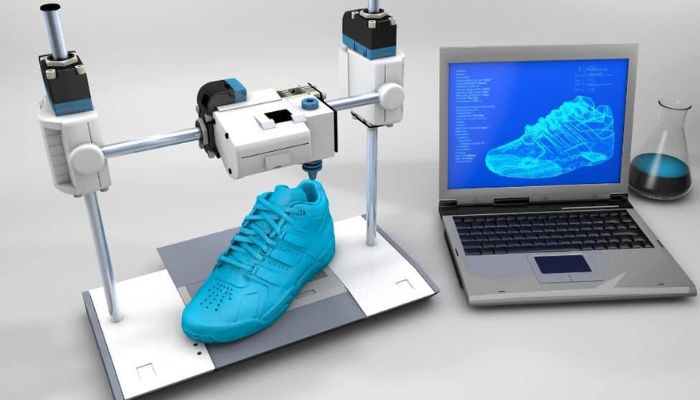
3D printing involves printing directly onto the building platform, which minimizes material waste (photo credits: Devrimb)
#2: Local Production
Traditionally, many products are sourced from distant locations, leading to global dependency and supply chains that impact our local economy and environment. However, thanks to local 3D printing, companies are able to produce their products directly within the community without relying on external supplies, thereby reducing CO2 emissions. It also avoids the use of packaging normally associated with the transportation of parts.
More from the desk
Six other notes from the rest of the bench.
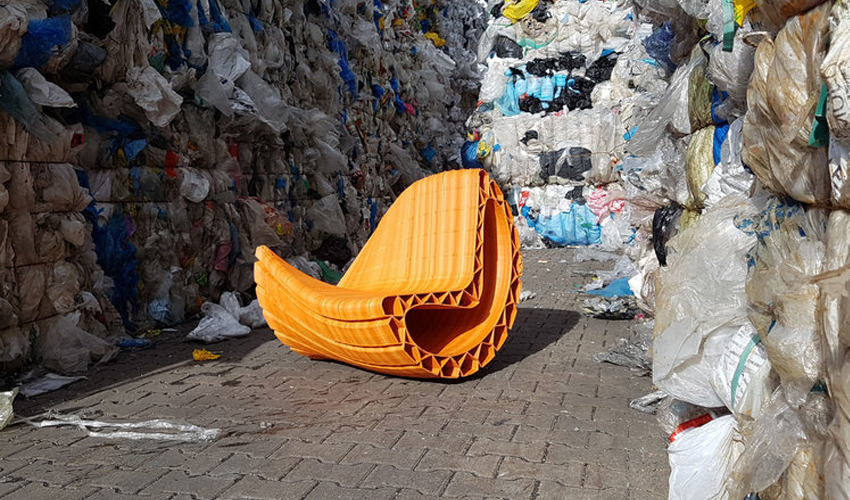 News3D Printed Street Furniture Made from Plastic Waste3D printed benches are now bring created from plastic waste, as part of Amsterdam’s ‘Print Your City’ initiative. This program aims to transform plastic waste into trendy street furniture, reducing annual waste. Plastic: A growing problem Currently, the average
 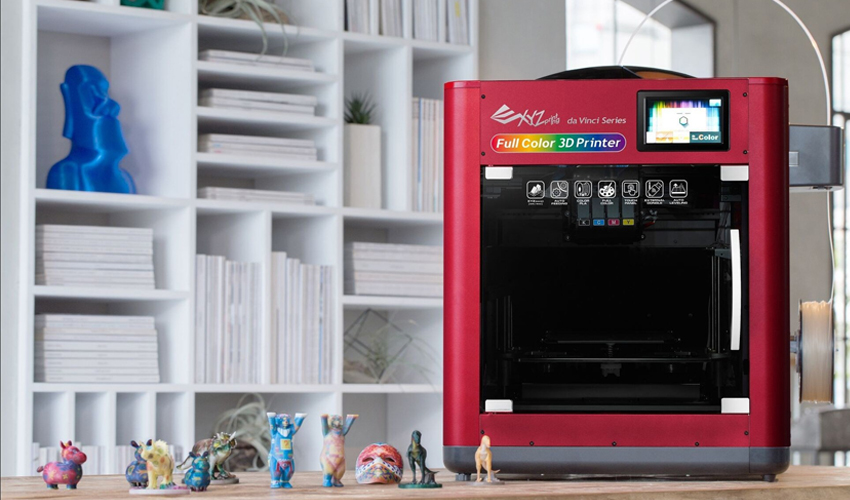 PrintersThe Da Vinci Color 3D printer: Inkjet and FDM 3D printing in oneChinese company XYZprinting has revealed their new line of 3D printers last week, which includes the Da Vinci Color, a machine that is capable of 3D printing up to 16 million different shades of CMYK color code. Printing in color is…
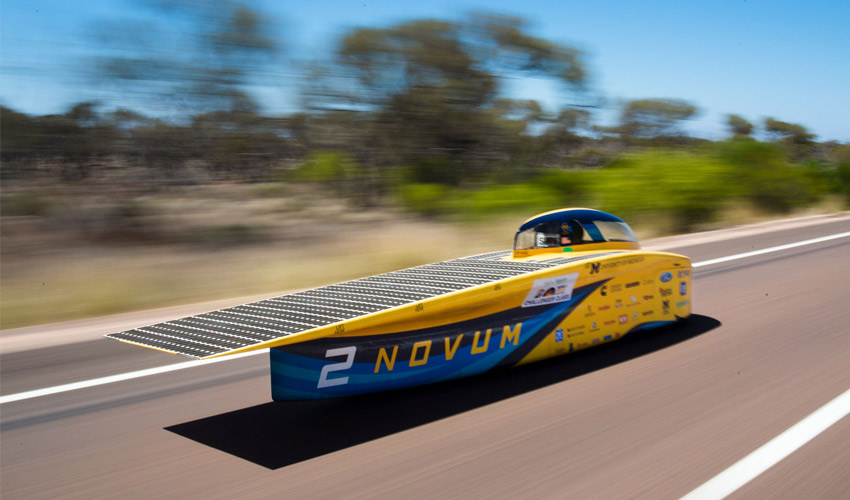 ApplicationsUniformity Labs Has Designed a 3D Printed Metal Roll Cage for a Solar-Powered CarUniformity Labs is a company specializing in manufacturing parts via 3D printing. Recently, they produced an ultra-low-porosity aluminum alloy (AISi10Mg) automotive component for a solar-powered race car. The part in question is a 3D printed roll cage that was made…
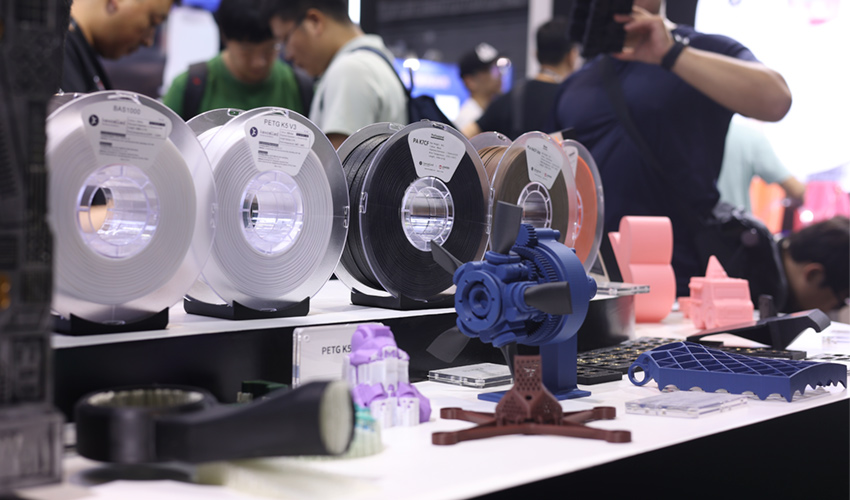 MaterialsKexcelled Talks Its Range of 3D Printing Materials and International ExpansionAs research into new additive manufacturing materials continues to advance, so do the suppliers of these materials. Kexcelled has established itself as a key player in the high-quality materials sector with a wide range of products including both filaments and…
 ApplicationsResearchers in the Netherlands 3D print stents for pediatric patientsResearchers at Eindhoven University of Technology (Tu/e) in the Netherlands have used 3D printing technology to create a new innovation for the future of pediatric medicine. Their creation: a 3D printed biodegradable stent that grows within the pediatric patient. For…
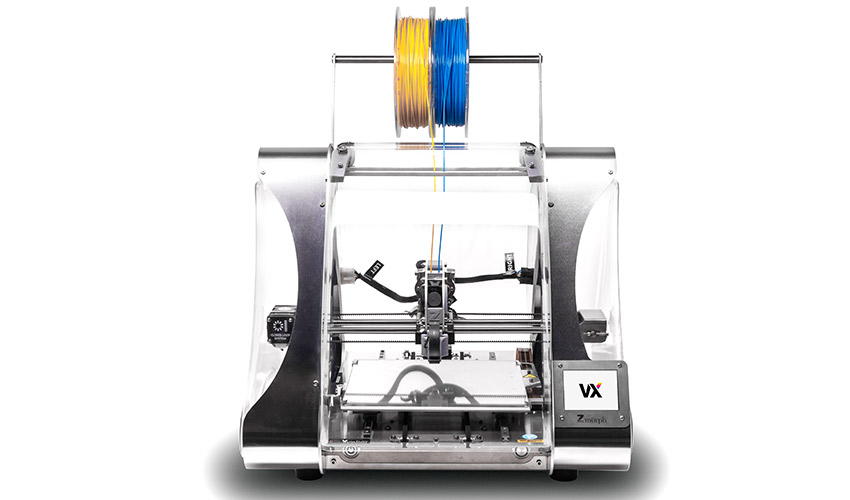 Printers3Dnatives Lab: Testing the ZMorph VX 3D PrinterOriginally from the RepRap world, the Polish manufacturer ZMorph launched itself on the 3D printer market in 2012. Over the years, the brand has made a name for itself with its multi-functional 3D printers. Its latest model, the ZMorph VX,…