Applications
3D Printing and Physiotherapy Help Children with Disabilities Regain Their Independence
A new Spanish project is showing how 3D printing technology can significantly improve the lives of children with disabilities. The initiative was developed by the San Juan de Dios Comillas University School of Nursing and Physiotherapy (EUEF) in Madrid. In…
- 3 min read
- Applications
- Six more stories
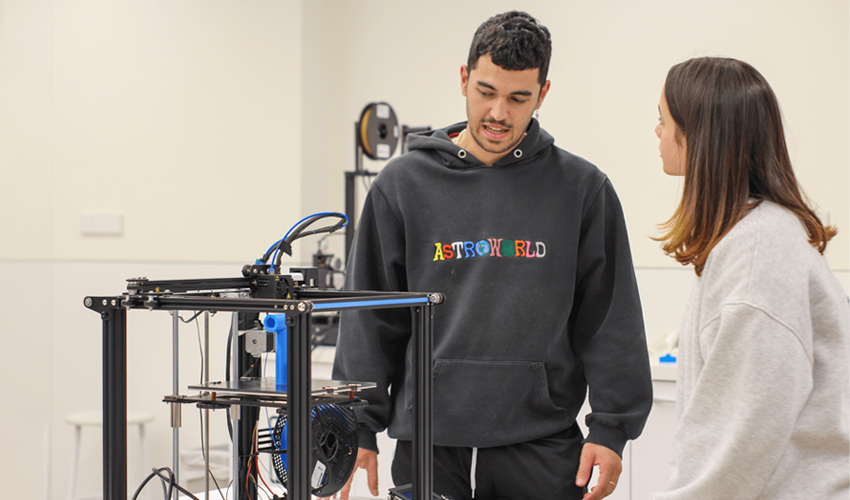
A new Spanish project is showing how 3D printing technology can significantly improve the lives of children with disabilities. The initiative was developed by the San Juan de Dios Comillas University School of Nursing and Physiotherapy (EUEF) in Madrid. In collaboration with five healthcare and social service organizations, the project has enabled third-year physiotherapy students to design and use 3D printing to create customized devices that enhance the autonomy and quality of life of young patients.
The program is part of a Service-Learning methodology, where future professionals not only gain technical skills but also learn through empathy, commitment, and active listening. In this context, 3D printing becomes an accessible and adaptable tool, capable of providing tailored solutions for real-world needs. It also helps overcome both financial and functional barriers that many commercial devices fail to address.
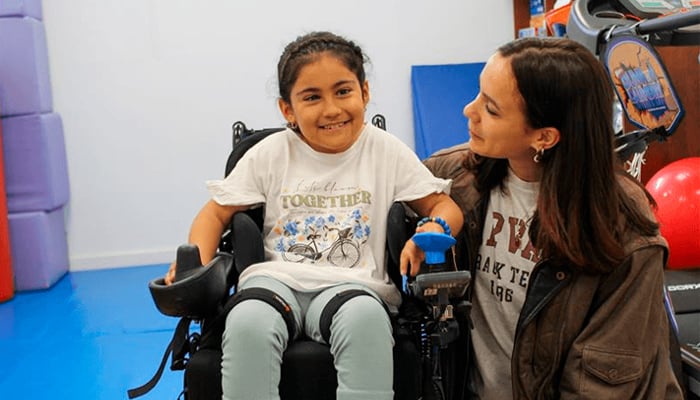
The students have worked closely with other therapists and families.
Students work on individual cases, collaborating closely with therapists and families. One example is Marcela Marcial, who designed a custom wrist splint that improved a young girl’s mobility, making it easier for her to maneuver her wheelchair. Other standout projects include Diego Ruiz’s interchangeable grip system for standing frames and Laura Fernández’s device to help improve thumb extension during physiotherapy sessions.
More from the desk
Six other notes from the rest of the bench.
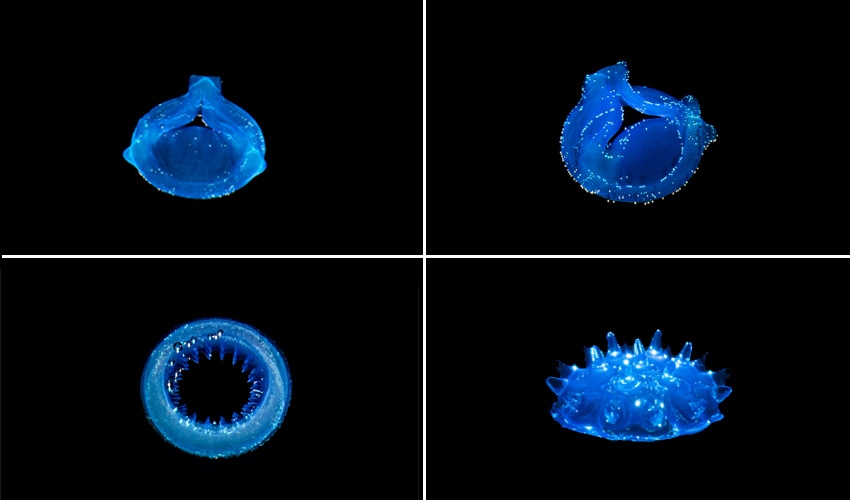 Guides#3DStartup: Readily3D and its Volumetric Printing Technology Based on TomographyReadily3D is a young Swiss startup that has developed a volumetric 3D printing method to create complex organic shapes in just a few seconds. The company used tomography to design its first 3D printer, which is capable of solidifying an…
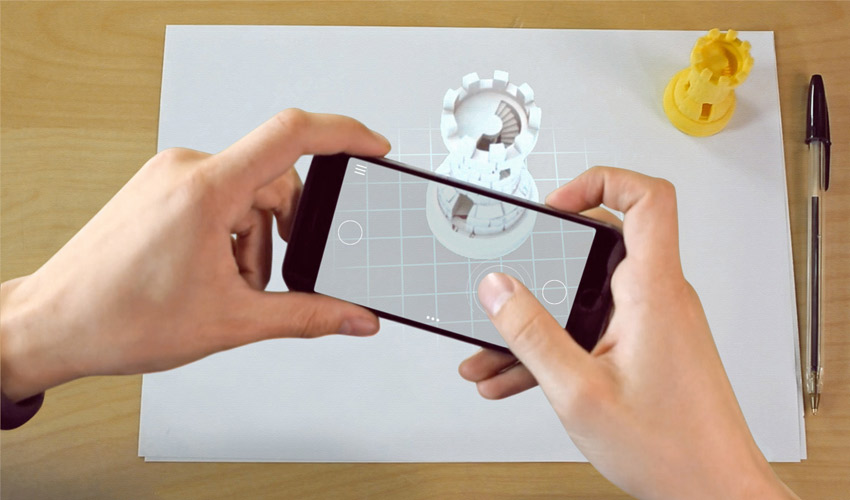 NewsGrib3D, the Free 3D Modelling App based on Augmented Reality3D modelling is a key step in the manufacturing process of a product, especially when it comes to 3D printing. It involves specific knowledge and skills that are not always easily acquired. For this reason, several software companies have developed…
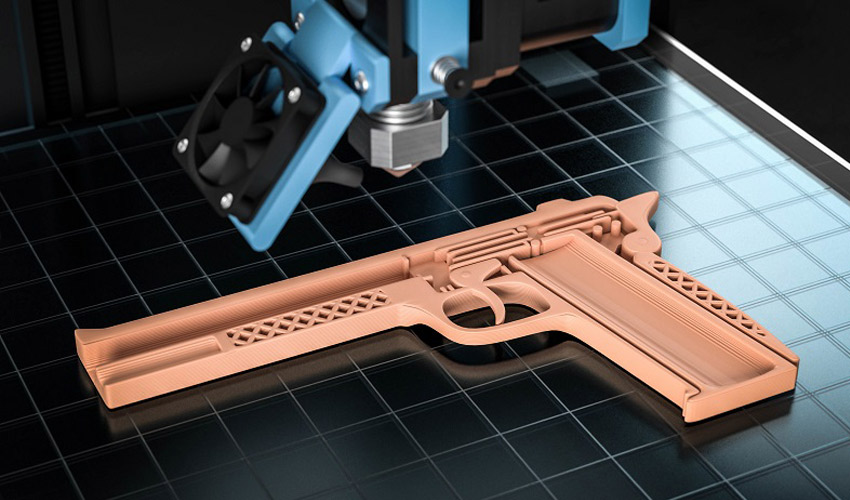 NewsLondon student convicted for 3D printing firearmA student at South Bank University in London, Tendai Muswere, was arrested a few days ago for printing two guns in his apartment. The 26-year-old quickly pleaded guilty and claimed that he was producing props for a film project as…
 MaterialsUBQ Materials and Plastics App Launch New Highly Sustainable 3D Printing MaterialUBQ Materials and Plastics App have joined forces to develop and launch a novel material in order to improve the functionality of sustainable 3D printing. The partnership derives from mutual recognition of the growing demand for zero waste supply chain…
 NewsHow to Make Your Own 3D-Printed Squid Game MaskNetflix’s Squid Game series has taken over the public consciousness and every corner of the internet. The Korean drama tells the story of a group of financially indebted people who risk their lives in a survival competition for the chance…
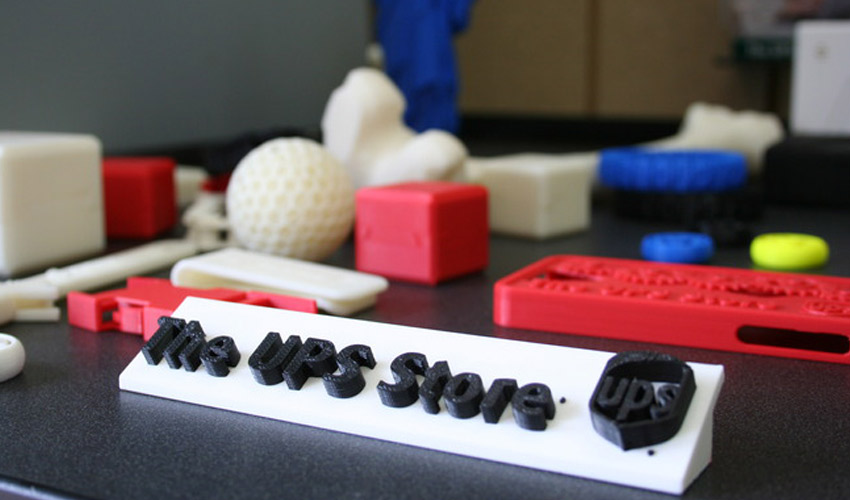 NewsInterview with UPS: how will 3D printing impact the Supply Chain?UPS is one of the world’s leading parcel delivery companies and a leading provider of specialised transportation and logistics services. Since its creation in 1907, the company has evolved tremendously and is quickly turning to innovative solutions. It is no surprise&hellip