News
3D Printing and Intellectual Property: Are the Laws Fit for Purpose?
3D printing, like any other industry, is fraught with intellectual property law considerations at all levels. These range from 3D printing hobbyists who must respect copyright when uploading and sharing file designs, to multinational companies who guard their scientific discoveri
- 3 min read
- News
- Six more stories
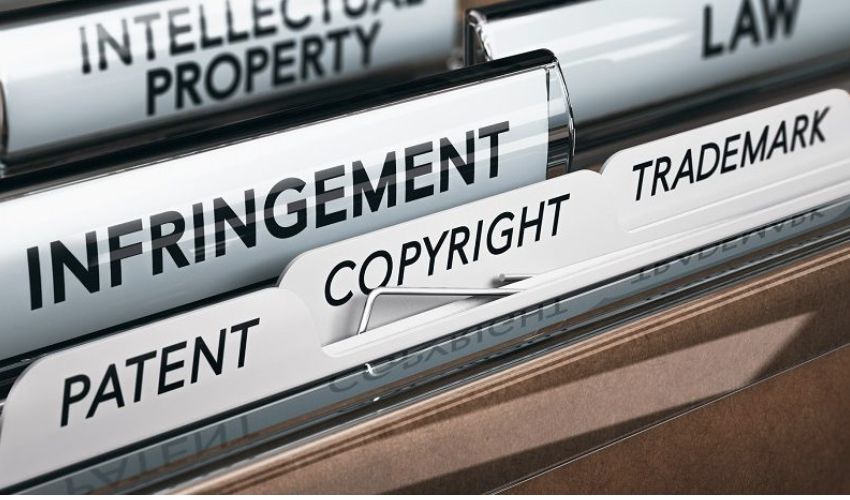
3D printing, like any other industry, is fraught with intellectual property law considerations at all levels. These range from 3D printing hobbyists who must respect copyright when uploading and sharing file designs, to multinational companies who guard their scientific discoveries with patents and marketing designs with trademarks. Parties are not affected equally by these laws: those with a higher stake (monetary or otherwise) in intellectual property face larger repercussions if they do not respect the regulations. Many individuals and organizations consider the laws to sometimes overly favor large companies to the detriment of smaller ones and individuals, and seek reform to make the industry more just. Here, we will look at the different perspectives of this concern, and the people and institutions involved on all sides of debate.
In order to study intellectual property and its relation to 3D printing, we must first define the terms. The World Trade Organisation defines intellectual property as ‘the rights given to persons over the creations of their minds’. Within this falls two categories: copyright, which offers ownership rights to original creations (by people or companies, where the person created it as part of their job) and industrial intellectual property, which includes trademarks, patents, and trade secrets. Let’s take a closer look at each one to understand what it means.

Photo credit: Getty
An Overview Of the Key Terms
What is Copyright?
We can trace copyright law all the way back to 16th century Britain. Attempts at standardization came with the Berne Convention, ratified in 1887, which saw 10 signatory states agree to the automatic protection of created works for 50 years after the author’s death. More recently, EU copyright law offers protection for 70 years after the author’s death, granting economic rights (control over the work and remuneration) and moral rights (right to attribution and right to integrity). In the US, the situation is similar; works created after 1978 with a known author are protected under copyright for 70 years from the author’s death, commonly known as life + 70. These copyright laws do of course apply to 3D printed designs: they can protect the relevant file from which prints are made. It should be said that copyright protection applies to aesthetic or design aspects of a part; useful objects or the useful components of objects are not protected under copyright but can be protected with patents and trade secrets.
More from the desk
Six other notes from the rest of the bench.
 GuidesThe Personalities Who Shaped The Additive Manufacturing Market In 20222022 was an important year for the world of additive manufacturing. However, due to many uncertainties resulting from the health crisis of recent years as well as economic consequences of the war between Russia and Ukraine, it was also a…
 GuidesThe 3D Printing Events You Don’t Want to Miss This YearEvery year in the world, users and actors of additive manufacturing and 3D printing meet at dedicated events, whether fairs, conferences or shows. They are the perfect opportunity to discover the latest innovations in the market and to interact with…
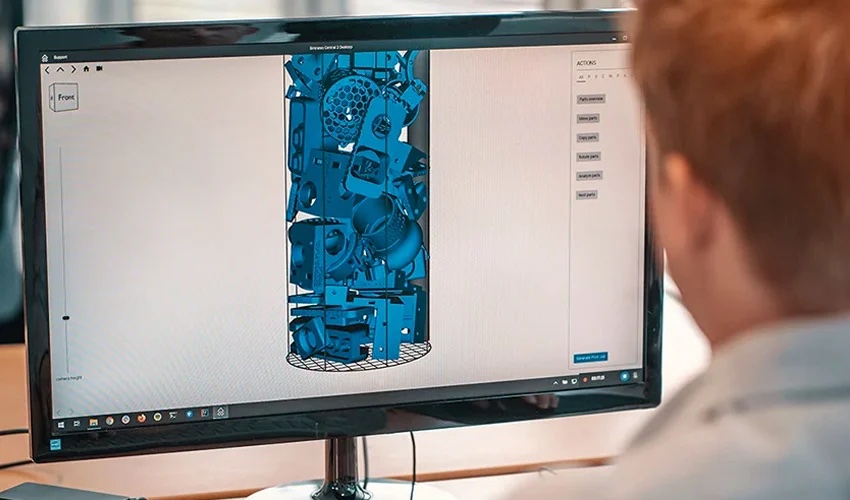 NewsNesting in 3D Printing Helps Optimize SpaceModeling is a key step in additive manufacturing, especially when it comes to the creation of complex parts. In the 3D printing sector, there are a number of CAD programs available for 3D printing. With a growing market, players in…
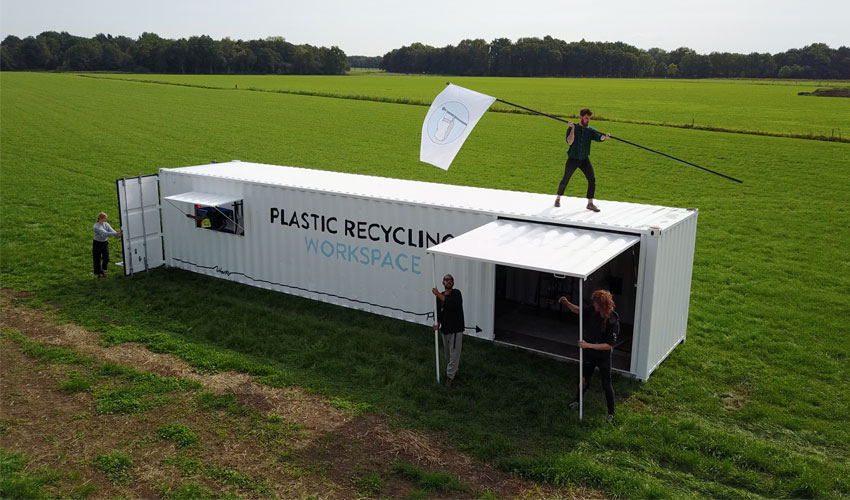 GuidesPrecious Plastic values recycling plastic waste with new technologiesPrecious Plastic is a community that started in the Netherlands with the main goal of fighting “plastic pollution”. For this, they created a network of workspaces where all the tools and machines give a second life to plastics, either directly…
 ApplicationsNASA and KULR to 3D print batteries in spaceBy now it is quite well-known that additive manufacturing is widely used in the aerospace sector. From fully 3D printed rockets by Relativity Space to tiny 3D printed satellites ready to be launched into orbit, we constantly learn about more and…
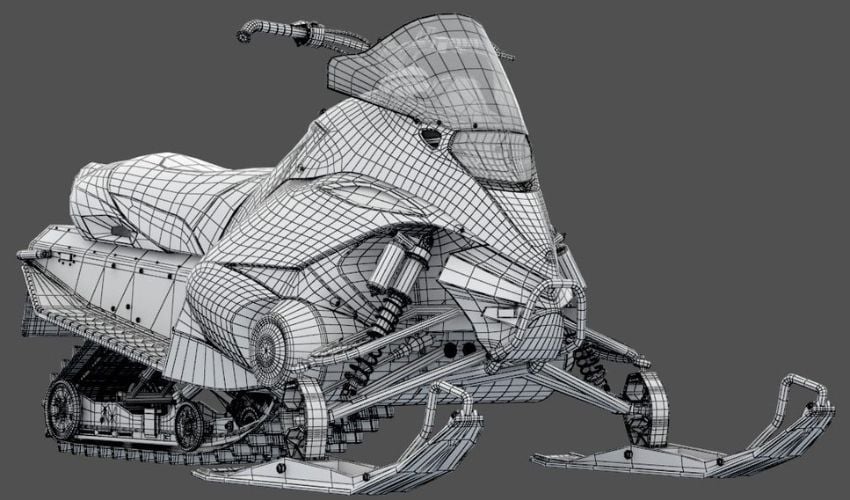 SoftwareEverything You Need to Know About Polygonal Modeling for 3D PrintingPolygons play an essential role in 3D modeling, allowing the design of complex objects with great precision. By assembling simple geometric shapes, it becomes possible to create a variety of three-dimensional models, particularly suitable for 3D printing. But how do…