Applications
NASA and KULR to 3D print batteries in space
By now it is quite well-known that additive manufacturing is widely used in the aerospace sector. From fully 3D printed rockets by Relativity Space to tiny 3D printed satellites ready to be launched into orbit, we constantly learn about more and…
- 3 min read
- Applications
- Six more stories

By now it is quite well-known that additive manufacturing is widely used in the aerospace sector. From fully 3D printed rockets by Relativity Space to tiny 3D printed satellites ready to be launched into orbit, we constantly learn about more and more companies adopting additive manufacturing technologies for space-related purposes. Undoubtedly, NASA is an important player on this arena. Recently, it was announced that their Marshall Space Flight Center (MSFC) has awarded KULR Technology Group a contract to build 3D printed battery systems for manned and robotic space applications.
Based in San Diego, California, KULR Technologies develops next-generation carbon fiber thermal management technologies for batteries and electronic systems. KULR solutions are mostly used in sectors such aerospace, electronics, and electric vehicle production. In June 2020 the company developed a PPR (passive propagation resistant) battery design for space applications. And a few days ago, KULR told the public the big news – NASA wants them to build 3D printed batteries, in space.
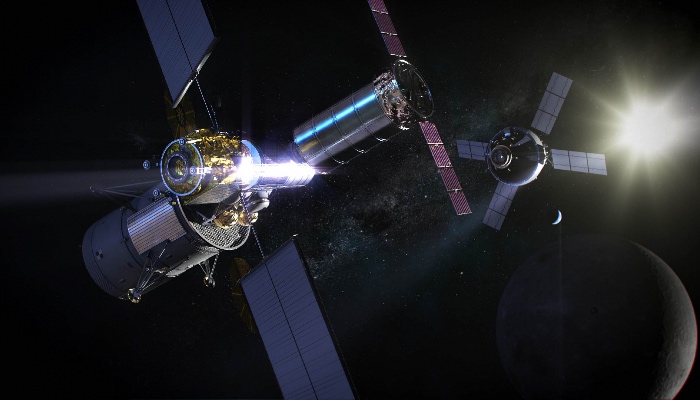
Image credits: NASA
NASA’s expertise combined with KULR’s proficiency in designing PPR battery packs establishes the pinnacle in safe battery power systems manufactured in outer space. According to NASA MSFC Deputy Chief Technologist, John Carr, “NASA employs highly rigorous assurance and safety standards, especially for our man-rated technologies. KULR’s PPR design solution for future manned and unmanned space missions is an ideal fit for mass design, flexibility and cost, all the while maintaining this safety rigor through battery risks such as thermal runaway.”
More from the desk
Six other notes from the rest of the bench.
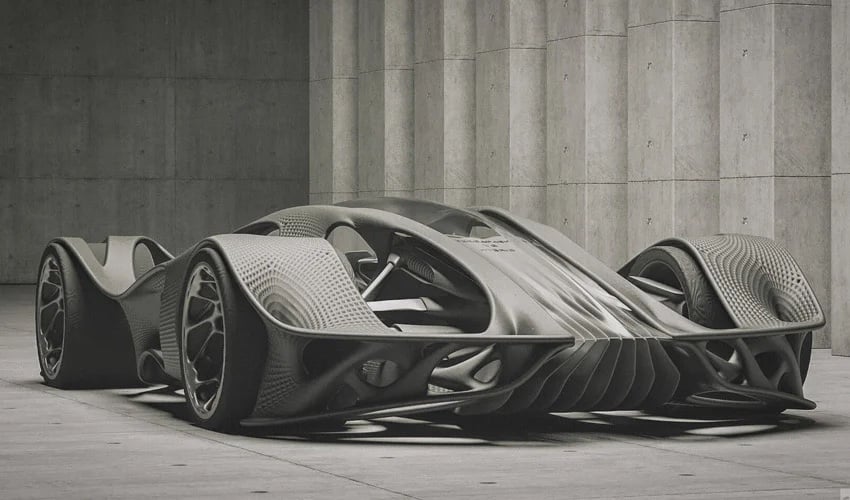 ApplicationsA Futuristic Supercar Model Born From Generative DesignIt is not an actual 3D printed car that we are showing you today but rather a concept born from algorithms and generative design. The HV-001 is a hybrid supercar whose design has been designed to be 3D printed. Architect…
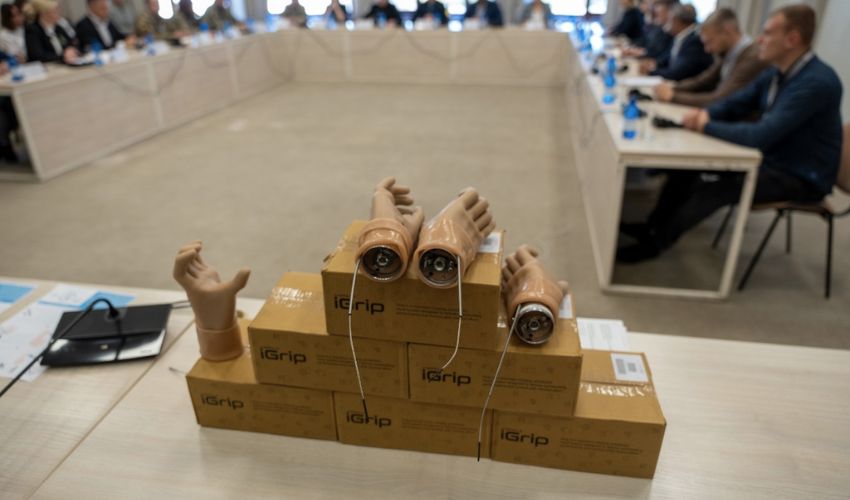 Applications350 Prosthetic Hands Donated to Ukrainian War VictimsThe war in Ukraine began on 24th February 2022 with the Russian invasion of the country. Since then, millions of lives have been affected and countless citizens and soldiers have suffered serious injury resulting in amputation. This is tragic, of…
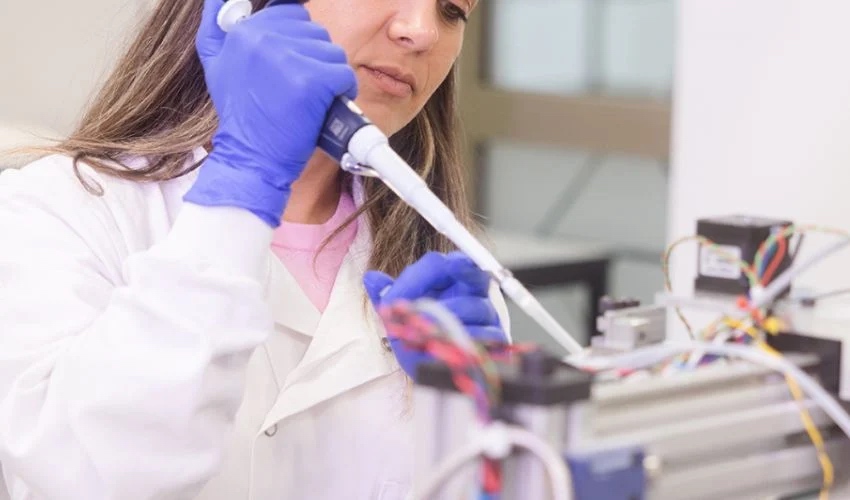 ApplicationsReJI Bioprinting Technology Accelerates Drug Development to Help Fight Cancer and ArthritisBioprinting has been used for medical purposes since around 2000. But, it has its limitations, particularly when it comes to drug development, where costs remain high. However now, thanks to financial support from Versus Arthritis, researchers at Newcastle University have…
 News3D Printing and Haute Couture: Iris Van Herpen presents Shift SoulsDutch designer, Iris van Herpen, is probably one of the most influential designers when it comes to mixing fashion and 3D printing. Many of her collections include 3D printed elements, from dresses to accessories. This time, the designer unveiled 3D…
 ApplicationsBioprinting Is Being Used to Create Eye TissuesWhen it comes to the body, the parts relating to the fives senses are undoubtedly some of the most important. Eyesight, hearing, taste, touch and smell allow humans and other creatures to explore the universe around them and the sudden…
 ApplicationsChina 3D Prints First PEEK Clavicle ImplantThe medical team at Kunming Medical University Hospital in China, in collaboration with the company IEMAI 3D successfully transplants the first clavicle printed in 3D with PEEK. What does this milestone mean for the medical sector? How important is the…