Applications
3D printed Third Thumb lends an extra finger
Today, there are many players in 3D printing – be they companies or associations – who have embarked on the creation of 3D-printed prostheses. Often associated with a physical disability, they replace a broken or underdeveloped part of our body.…
- 3 min read
- Applications
- Six more stories
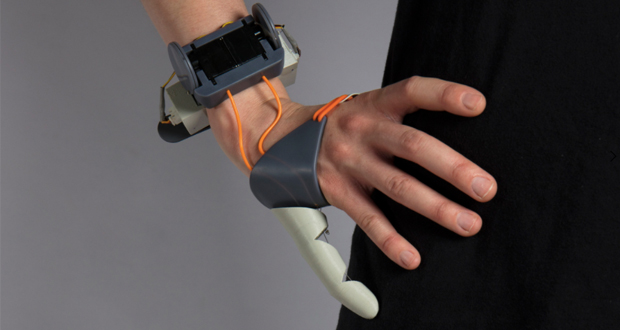
Today, there are many players in 3D printing – be they companies or associations – who have embarked on the creation of 3D-printed prostheses. Often associated with a physical disability, they replace a broken or underdeveloped part of our body. Dani Clode, a graduate of the Royal College of Art in London, wants to break this stigma and show how a prosthesis can be an advantage, not a handicap. It is with this goal in mind that she created the Third Thumb, a 3D printed prosthetic finger.
Prostheses today generally offer their user a considerable benefit, whether that be in terms of mobility or as an aid in the performance of certain tasks. The only downfall of this benefit is the price tag that comes along with it. It is because of this price that we are starting to see more and more 3D printed prostheses, as they give even more personalization at an even lower cost. Several examples of this can be seen, with a more recent one being the Fin– a prosthetic specifically made for a veteran in the United States.
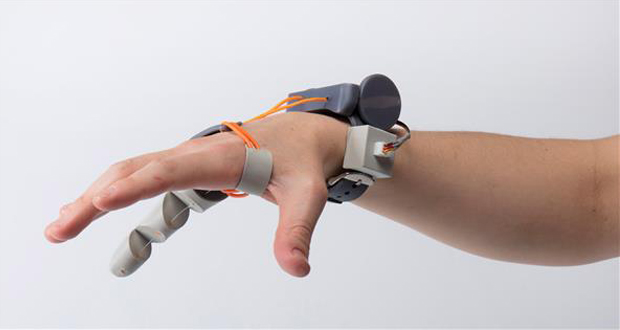
What makes Dani Clode’s prosthesis original is that it is not intended for people who suffer from a physical disability. Instead, it helps the user to catch, squeeze, and perform more complicated tasks- like playing the guitar. Dani Clode’s overall goal with her prosthesis is to change the perception that is usually attached when someone uses them. To her, prosthesis should be seen as something positive, more in the sense that it can increase a person’s abilities, rather than repairing something.
More from the desk
Six other notes from the rest of the bench.
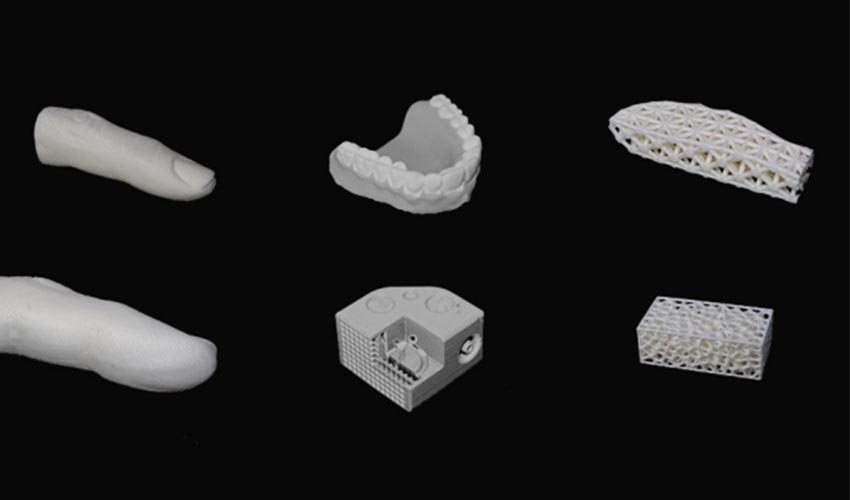 NewsMIT startup Inkbit creates 3D printer powered by machine-vision and AIAt the end of 2018, we told you about the creation of a consortium dedicated to additive manufacturing by MIT – the Additive and Digital Advanced Production Technologies (APT) center seeks to accelerate the implementation of additive manufacturing and to…
 NewsKFC 3D printed chicken nuggets, the fast-food of the future is almost here?Kentucky Fried Chicken, more commonly known as KFC, is one of the leading fast-food chains in the world with more than 24,000 restaurants in 145 countries across the globe. The brand is mostly known for its “special recipe” fried chicken,…
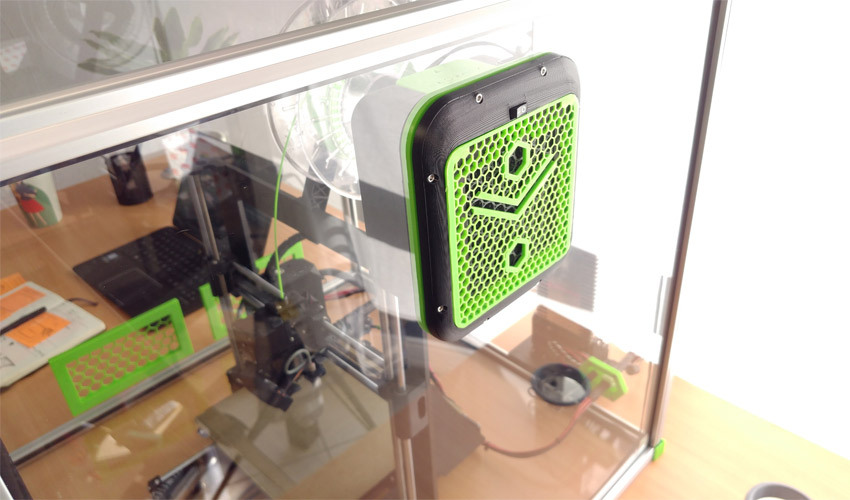 GuidesAlveo3D, a filtering kit for safer 3D printing at home & officeAlveo3D is a young French company, which has developed a nanoparticle filtration system for 3D printers. Its objective is to reduce toxic emissions from machines by reducing the risk of air pollution when they operate in a very poorly ventilated…
 NewsDigital Gastronomy, infusing traditional cooking with 3D printing technologiesDigital Gastronomy is a culinary vision that seeks to offer hybrid solutions. They are hybrid in that they combine traditional cooking with new computational abilities. Researcher Amit Zoran, part of the Digital Gastronomy project, told us how his research in…
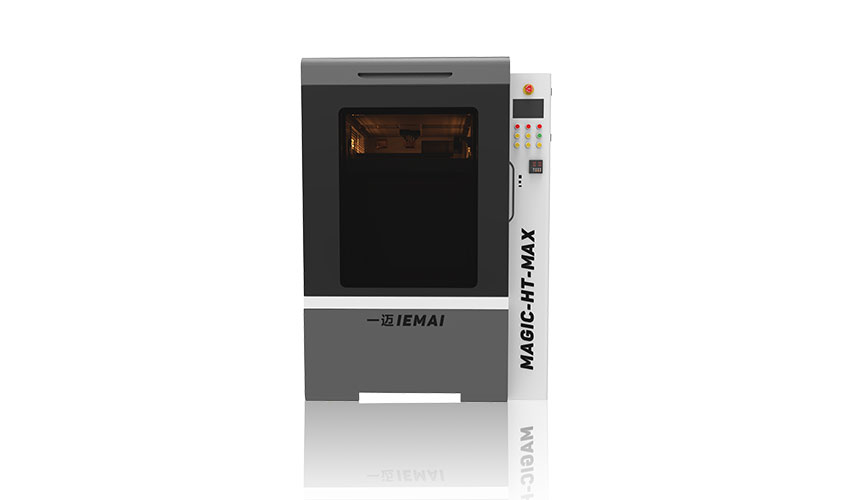 PrintersMAGIC-HT-MAX, the large format 3D printer for HPPsIEMAI 3D is an Asian manufacturer of 3D printers specialized in the development of machines that work with advanced materials on a large scale. In 2019 it made its entry to the European market by presenting us with its MAGIC-HT-PRO,…
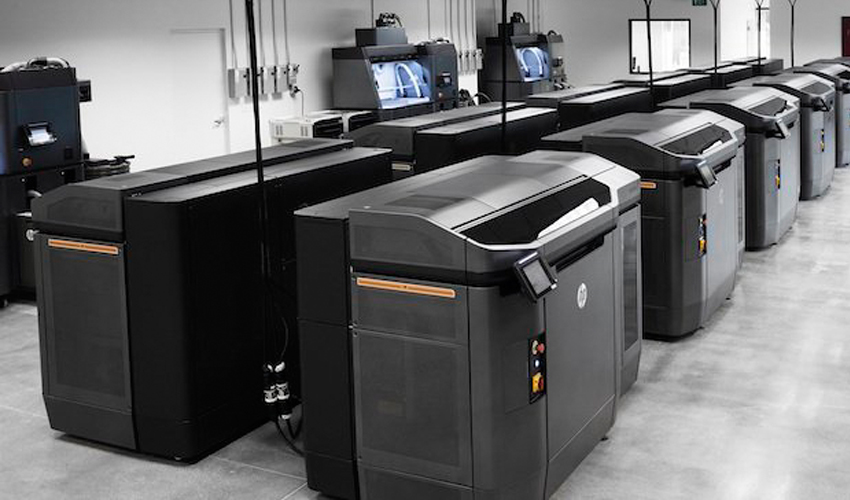 PrintersHP Announced New 3D Printer: Jet Fusion 3D 4210HP has expanded its additive manufacturing selection by announcing their new 3D printer – the HP Jet Fusion 3D 4210. This announcement also included the release of 3 new materials. The printer is designed for industrial-scale 3D production, and aims…