Printers
First Ever 3D Printed Shark Fins Help Combat Illegal Wildlife Trade
Once again, 3D printing will be used to help in wildlife conservation efforts. TRAFFIC, a leading non-government organization (NGO) working to fight against illegal wildlife trade, has announced that they have been using the world’s first-ever 3D printed shark fins…
- 3 min read
- Printers
- Six more stories
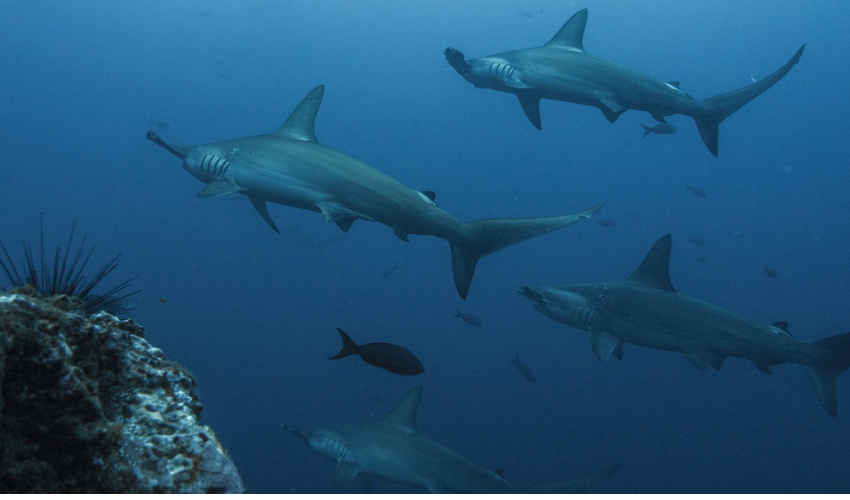
Once again, 3D printing will be used to help in wildlife conservation efforts. TRAFFIC, a leading non-government organization (NGO) working to fight against illegal wildlife trade, has announced that they have been using the world’s first-ever 3D printed shark fins to help assist customs officials and enforcement officers in their attempts to identify smuggled protected shark species. As the demand for shark fins grows, many organizations have sought ways to identify fins from species that are moving closer and closer to extinction due to smuggling and overfishing. Now officials will be able to download the free scans from TRAFFIC’s website to create their own super-realistic replicas which they can use to help identify shark species from the fins alone, helping them in their fight.
According to global estimates, somewhere between 26 and 73 million sharks are traded each year, though it is possible that even that number is low. Additionally, sharks are being overfished worldwide, with negative consequences for many marine biomes and especially marine biodiversity. The World Wildlife Fund (WWF), notes that due to these factors and the general degradation of the oceans, a number of shark species have become endangered or vulnerable, notably the Oceanic Whitetip, porbeagle and three hammerhead species. Due to this vulnerability (as well as the fact that they are regularly traded) TRAFFIC identified these specieis among others to be on the list of scanned shark fins.
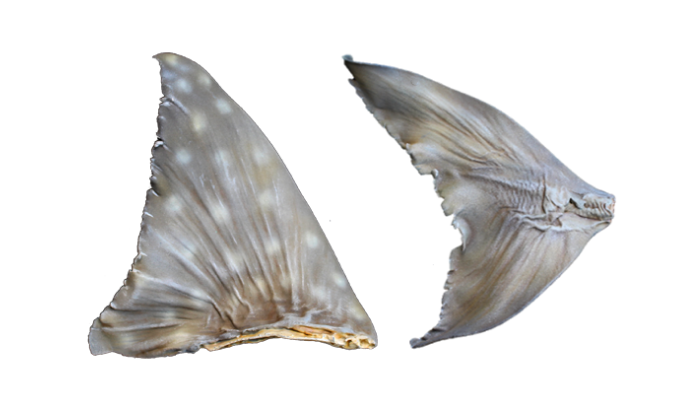
3D printed and painted Bowmouth Guitarfish fins (photo credits: TRAFFIC)
TRAFFIC started this program as it can be difficult to identify the species of dried shark fins by sight alone, especially when there has not been sufficient training. Furthermore, many customs and and law enforcement agencies working to combat wildlife trafficking are understaffed and under-equipped. These 3D printed replicas provide a cheaper, easy-to-use identification tool that will help them in their work. TRAFFIC fisheries trade expert Markus Burgener expanded, “These replica fins are expected to significantly improve the accuracy of active inspection, identification, and seizure of illegal shark fin consignments. They will help empower law enforcement officials the world over to more effectively disrupt the illegal trade in shark fins, which is causing significant detriment to our oceans.”
More from the desk
Six other notes from the rest of the bench.
 PrintersWhat are the trends and key challenges in 3D post-printing?PostProcess Technologies has just published its first annual study on post-processing trends in 3D printing. Produced in collaboration with the Society of Manufacturing Engineers, it highlights the practices and challenges that users face today, regardless of their industry. 66%
  Printers3Dnatives Lab: Testing the Bambu Lab P1S 3D PrinterIn 2020, Bambu Lab entered the world of additive manufacturing through crowdfunding. Thanks to the dazzling success of their Kickstarter campaign, during which they raised over $7 million, Bambu Lab has become the new player everyone’s talking about. Indeed Bambu…
 ApplicationsBritish Patient Receives First-Ever 3D Printed Eye ProstheticHow can additive manufacturing help patients in the medical industry? Well, for one UK patient we may have our answer. Recently, Steve Verze from Hackney, UK, became the first person in the world to receive a fully 3D printed eye…
 NewsTop 5 Videos: Stargate 3D Printing Advances Terran R Rocket for Space ExplorationWelcome to our weekly roundup of the Top 5 most compelling 3D printing videos. This week’s edition kicks off with a fascinating look into Relativity Space’s use of 3D printing, employing their Stargate technology at NASA’s Stennis Space Center to…
 ApplicationsNew Multi-Material Metal 3D Printing Technique for Lightweight, Durable Automobile PartsLightweighting, or the concept that lighter cars can achieve better fuel efficiency, battery range, acceleration, braking and handling, is one of the biggest trends in automobile manufacturing today. But challenges remain, notably when it comes to combining materials to take&hell
 NewsAngel Trains and Stratasys; Collaboration developing railway additive manufacturingAngel Trains is one of the largest train hire specialists in Britain; They recently partnered with ESG Rail and the manufacturer Stratasys to 3D print certain interior components of their trains. This including certain spare parts establishing railway additive manufacturing. Toge