Printers
What are the trends and key challenges in 3D post-printing?
PostProcess Technologies has just published its first annual study on post-processing trends in 3D printing. Produced in collaboration with the Society of Manufacturing Engineers, it highlights the practices and challenges that users face today, regardless of their industry. 66%
- 3 min read
- Printers
- Six more stories
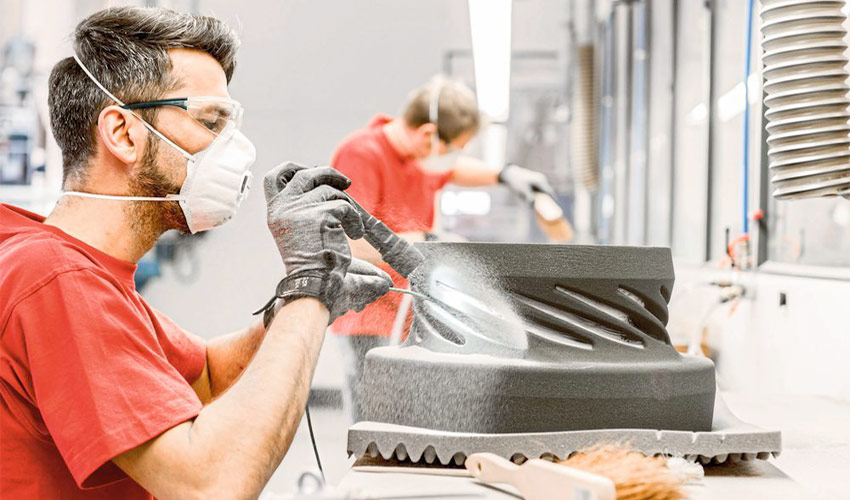
PostProcess Technologies has just published its first annual study on post-processing trends in 3D printing. Produced in collaboration with the Society of Manufacturing Engineers, it highlights the practices and challenges that users face today, regardless of their industry. 66% of participants said they face at least two barriers with their current solutions, including time, quality and resource requirements.
In the 3D printing process, post-processing steps can often be crucial, giving the created part its final surface finish, color or strength. In recent months, there have been initiatives aimed at automating this process as much as possible, seeking to minimize its time and optimize its efficiency. Some players have even designed machines with integrated post-processing such as Velox or DyeMansion to save the user time. Moreover, PostProcess’ study reveals that for 75% of participants, the duration of the process is the main barrier to post-processing. The consensus is that overall, it is too time-consuming.
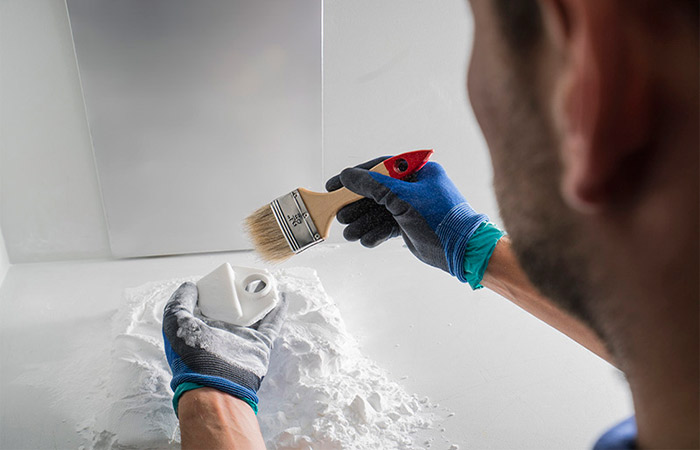
The 3D post-printing process is different depending on the 3D printing technology used | Credits: Beamler
This statement is reinforced when several 3D printing technologies are used. 50% of respondents use 2 to 3 different methods, 33% more than 4, but the more technologies involved, the more post-processing challenges are numerous. This makes perfect sense given that each technology uses different post-processing techniques. For example, when talking about Laser Powder Bed Fusion, printing supports are highly recommended, so they should be removed. However, with SLS technology, they are not necessary. The report shows that the removal of printing media is the most time-consuming post-processing step for 50% of participants.
More from the desk
Six other notes from the rest of the bench.
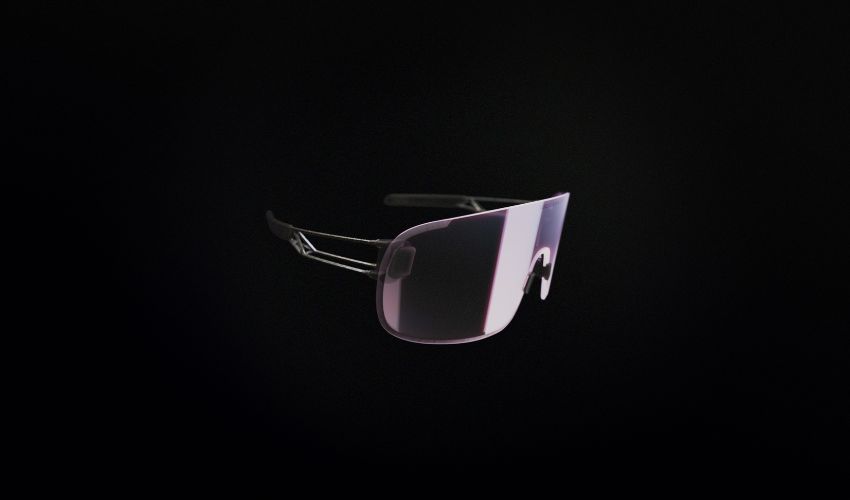 News‘Elicit Ti’ Cycling Goggles: The Fusion of Quality and SustainabilityAdditive manufacturing, also known as 3D printing, is being used in a wide range of fields, including construction, medicine, and space exploration. In the world of sports, 3D printing has already made an impact, creating customized bicycle grips, helmets, and…
 NewsBecome Part of Barbenheimer With 3D PrintingSince COVID-19, it is clear that the way people experience movies has changed. Even as restrictions have gone down, attending the cinema is no longer the common activity that it once was. Indeed, more and more movies are being released…
 GuidesThe Faces of Additive Manufacturing: Terry WohlersAfter Avi Reichental, Hanan Gothait, and Gil Lavi we continue our series on additive manufacturing personalities with Terry Wohlers. The well-known additive manufacturing expert has been active in the industry for over 30 years and is the man behind the famous…
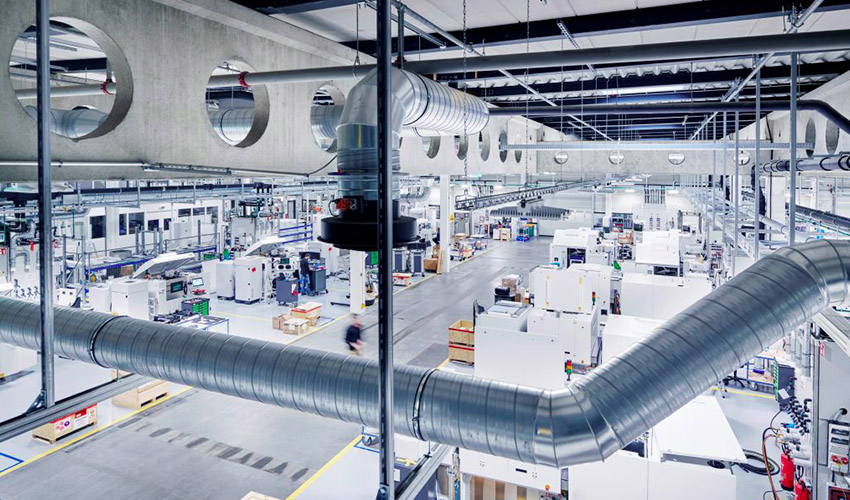 NewsIndustrial scale 3D printing will experience tremendous growth in 2020In a study conducted by Essentium back in March, it was reported that users of AM were starting to invest in 3D printing for mass-production. The report was based on an online survey of 114 stakeholders responsible for decisions regarding…
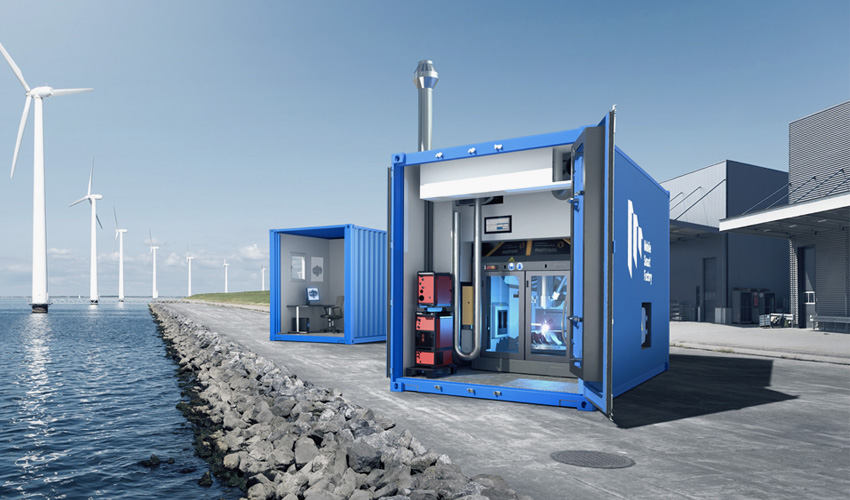 PrintersAn intelligent production module to 3D print parts on siteCan you imagine a parts factory inside a container? The so-called Mobile Smart Factory is a practical solution to bring the production process with 3D printing closer to anyone, anywhere. It is a factory inside modular containers equipped with devices…
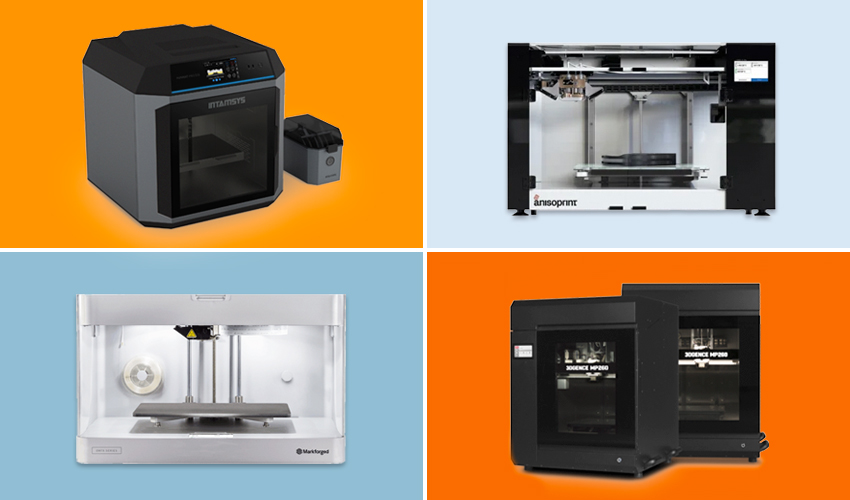 PrintersThe Top Compact, Industrial FDM 3D PrintersDespite the growth in other additive manufacturing technologies in other years, fused deposition modeling continues to dominate a large share of the market. This can be seen not only with a corresponding rise in commercial, lower-cost solutions in recent years,…