Applications
3D Printed Robot Can Assess Embryonic Development
Embroyonic development, or more simply the development and formation of an embryo mostly through cell division and cellular differentiation, is one of the most important biological processes on Earth. This basic step is the cornerstone of all multicellular life on…
- 3 min read
- Applications
- Six more stories
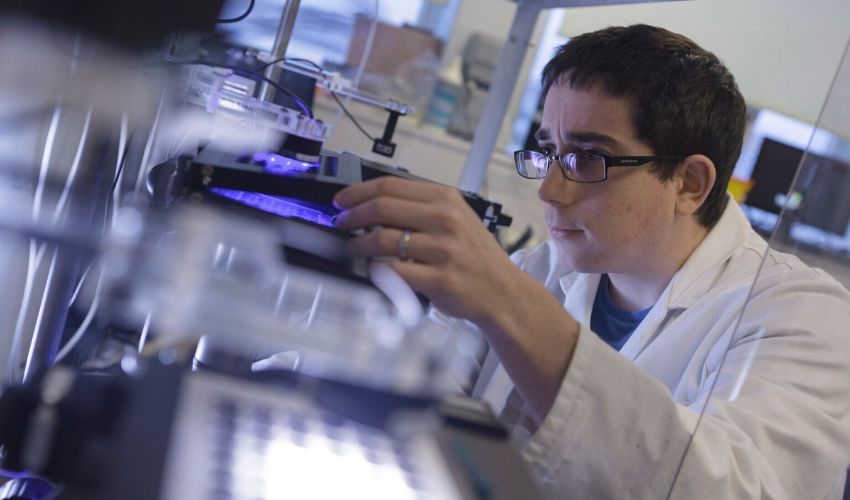
Embroyonic development, or more simply the development and formation of an embryo mostly through cell division and cellular differentiation, is one of the most important biological processes on Earth. This basic step is the cornerstone of all multicellular life on the planet, from the smallest nematode worm all the way through to the largest blue whale. And insight into how the earliest stages of development, and especially how they can be impacted by environmental conditions, has become a crucial topic in recent years due to the risks posed by climate change. It is for this reason that scientists at the University of Plymouth have developed the LabEmbryoCam using 3D printing.
As it names suggests, the LabEmbryoCam is a robotic instrument that has been designed to autonomously monitor the earliest stages of development in any aquatic species. Aquatic species are expected to be some of the most affected by climate change as it will cause warming in the oceans, disturbing habitats such as what has already been done to coral reefs. The LabEmbryoCam therefore has been conceived as an accessible and scalable way to visualize and measure development in large numbers of embryos simultaneously.
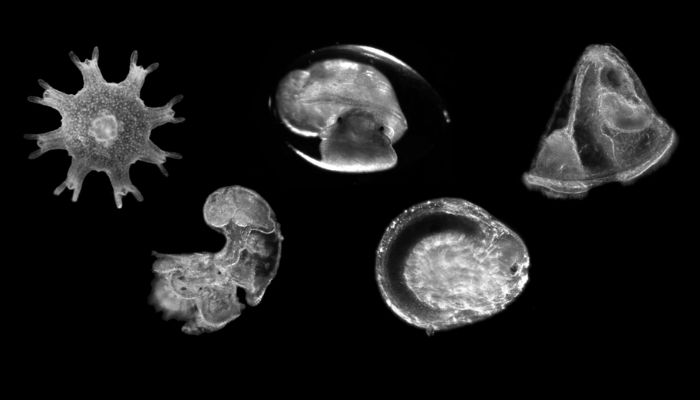
The LabEmbryoCam can be used to study early embryonic development of aquatic species, such as those pictured here
Dr. Oliver Tills, Senior Research Fellow at the University of Plymouth, explained, “We developed the LabEmbryoCam to provide an accessible window on how animals put themselves together, and what impact the environment has on this. It capitalizes on enabling technologies such as 3D printing and AI. The LabEmbryoCam is enabling us, and others, to address complex research questions that were not otherwise possible. Our opensource [sic] ethos makes the capabilities that are central to our own research available to others.”
More from the desk
Six other notes from the rest of the bench.
 NewsMetal additive manufacturing continues to grow rapidlyThe research firm Technavio has just published its report on the international metal additive manufacturing market. According to the market research company, the metal AM segment should grow by 4.42 billion dollars over the period 2020-2024, which represents an annual…
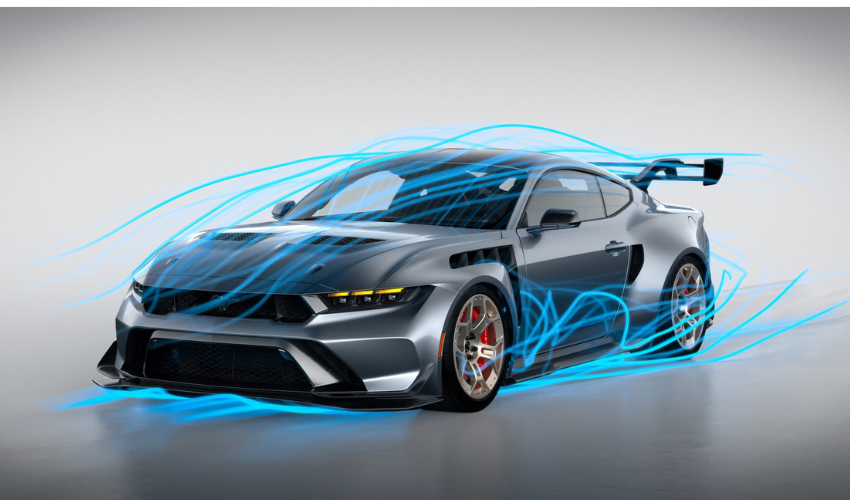 ApplicationsFord Uses On-Site 3D Printing to Boost Mustang GTD PerformanceFord has taken a major step forward in automotive performance with the launch of the 2025 Mustang GTD. The track-focused supercar, equipped with a supercharged 5.2L V8 and advanced carbon fiber bodywork, achieved a stunning 6:52.072 lap at Germany’s Nürburgring,…
 ApplicationsEasy to Swallow: Deglumed’s Personalized Medicine Uses 3D PrintingDeglumed is a project that aims to move towards personalized medicine. Through the use of various technologies, including 3D printing, the aim is to create drugs that adapt to the needs of each patient. This initiative could make it easier…
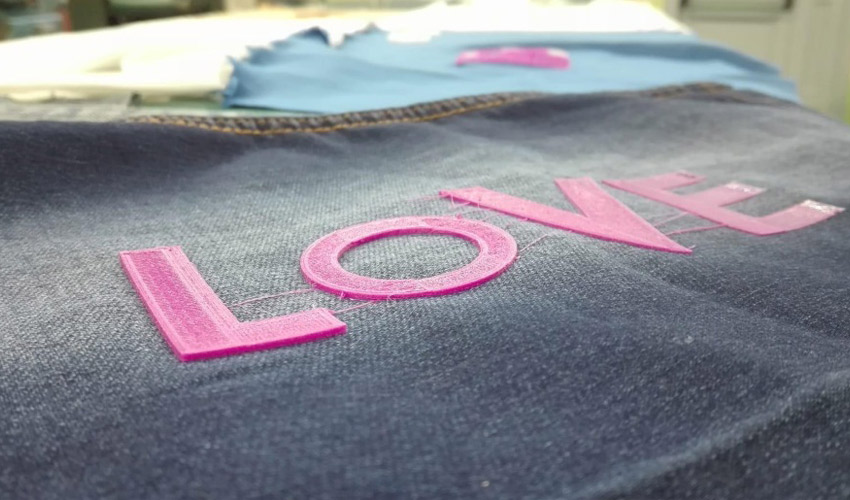 MaterialsA 3D printing method to personalise textile to infinite lengthThe Catalan technology centre, Eurecat, recently presented an innovative application of continuous 3D printing to personalise textile. Indeed, by adapting the Blackbelt machine, it can 3D print patterns on fabrics, and this in a seemingly infinite way. The 3D printer…
 MaterialsScientists Eye 3D Printing for Next-Gen Flexible Batteries3D printing has proven to be the perfect ally for a myriad of technologies. We’re increasingly witnessing a growing trend of 3D printing expanding into diverse fields with remarkable outcomes. Recent breakthroughs, such as the proposal by a team of…
 NewsTOP 5 VIDEOS: 3D printing for athletes…This week we found the top 5 videos about 3D printing and the way additive manufacturing is shaping our society. The technology has infiltrated many sectors, from medical to automotive! Check out our selection of the week to keep up with the innovations! This week we…