News
Metal additive manufacturing continues to grow rapidly
The research firm Technavio has just published its report on the international metal additive manufacturing market. According to the market research company, the metal AM segment should grow by 4.42 billion dollars over the period 2020-2024, which represents an annual…
- 3 min read
- News
- Six more stories

The research firm Technavio has just published its report on the international metal additive manufacturing market. According to the market research company, the metal AM segment should grow by 4.42 billion dollars over the period 2020-2024, which represents an annual growth rate of 14%. The dynamics will be driven mainly by the automotive sector, which is more interested in AM in order to produce lighter, more complex and higher performance components – particularly interesting for the motorsports segment. The study also shows that investment in research and development will be higher: manufacturers will rely on faster and more innovative processes.
Over the last decade, we have seen a real boom in metal 3D printing, especially with the arrival of manufacturers who wanted to reduce the cost of available technologies. Examples of such companies include Desktop Metal or Markforged that have relied on MIM systems to make available machines that used to cost tens of thousands of dollars. It’s not so surprising to see metal additive manufacturing growing. Add to this the fact that manufacturers are making greater use of 3D printing technologies for the production of end use parts in sectors such as aerospace, automotive and medical, which have always been consumers of metals.
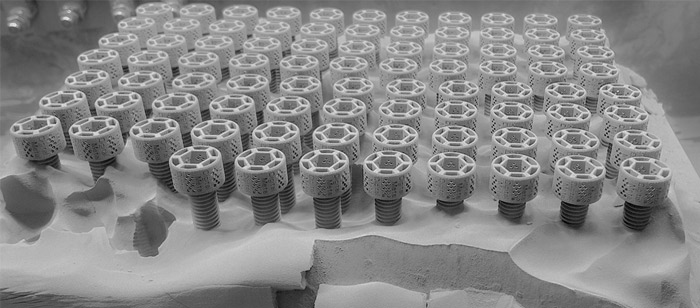
Metal additive manufacturing is used for the production of end use parts
Technovia’s new study “Global Metal Additive Manufacturing 2020-2024” forecasts a progressive growth of 4.42 billion dollars until 2024, mainly driven by North America (at 32%), followed by Europe and Asia Pacific. This year, the growth rate should reach 13.45%. Technovia also points out that the automotive market will be the driver of this increase: manufacturers see it as a means of producing lighter and more complex spare parts and end use parts. This enables them to achieve a better level of performance while reducing time-to-market. This is particularly true for Formula 1, where several teams already use metal additive manufacturing – Scuderia Ferrari, Williams Martini Racing, etc. – to produce lighter and more complex parts. They use 3D printing for parts such as rear spoilers, body parts or components for gearbox assembly.
More from the desk
Six other notes from the rest of the bench.
 ApplicationsAM Helped General Motors Avoid Supply Chain Problems With the Chevrolet Tahoe 2022These days, many industries are being affected by supply chain problems. One sector that is particularly troubled by this is the automotive industry. All over the world, delays of important parts lasting weeks are definitely making the life of car…
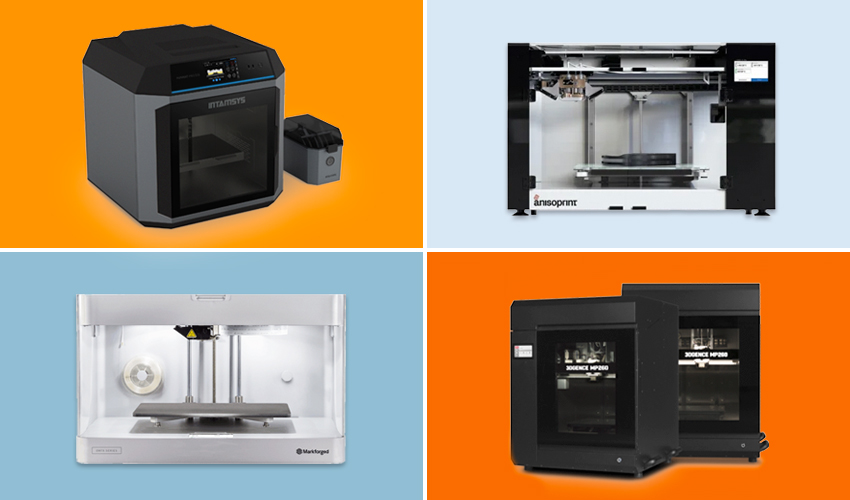 PrintersThe Top Compact, Industrial FDM 3D PrintersDespite the growth in other additive manufacturing technologies in other years, fused deposition modeling continues to dominate a large share of the market. This can be seen not only with a corresponding rise in commercial, lower-cost solutions in recent years,…
 GuidesThe Faces of Additive Manufacturing: Terry WohlersAfter Avi Reichental, Hanan Gothait, and Gil Lavi we continue our series on additive manufacturing personalities with Terry Wohlers. The well-known additive manufacturing expert has been active in the industry for over 30 years and is the man behind the famous…
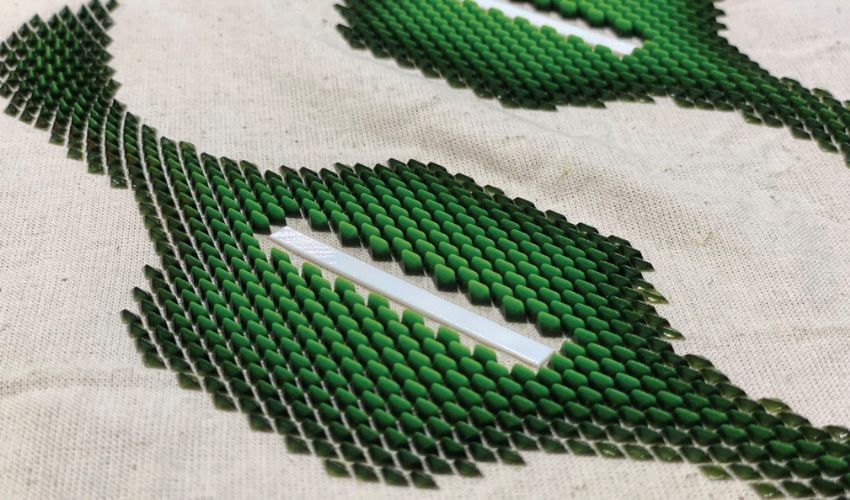 NewsAMGTA Study: Additive Manufacturing Reduces Emissions and Resource Consumption in Fashion IndustryAmong the industries that are experimenting with additive manufacturing the most in recent years, the fashion industry is making important progress. However, freedom of design, shapes and materials is not the only reason for considering this production method. Sustainability and&
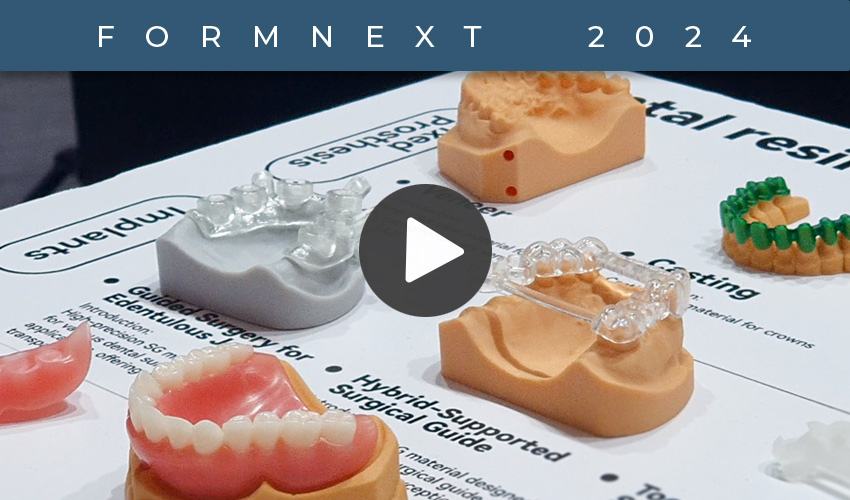 NewsProfessionals and Hobbyists Are Benefitting From Kexcelled’s 3D Printing MaterialsKexcelled is a global manufacturer of advanced 3D printing materials offering a wide range of filaments for FFF technology and photopolymer resins. The company is dedicated to supplying its global customer base with affordable, high-quality 3D printing materials. Kexcelled’
 News3D Printed Fish Tissue Successfully Created in ChinaConsuming fish, whether sourced through fishing or aquaculture, comes with environmental drawbacks. However, it doesn’t look like fish are leaving our diets anytime soon. According to the Food and Agriculture Organization of the United Nations, 140 million tons of fish…