Applications
Ford Uses On-Site 3D Printing to Boost Mustang GTD Performance
Ford has taken a major step forward in automotive performance with the launch of the 2025 Mustang GTD. The track-focused supercar, equipped with a supercharged 5.2L V8 and advanced carbon fiber bodywork, achieved a stunning 6:52.072 lap at Germany’s Nürburgring,…
- 3 min read
- Applications
- Six more stories
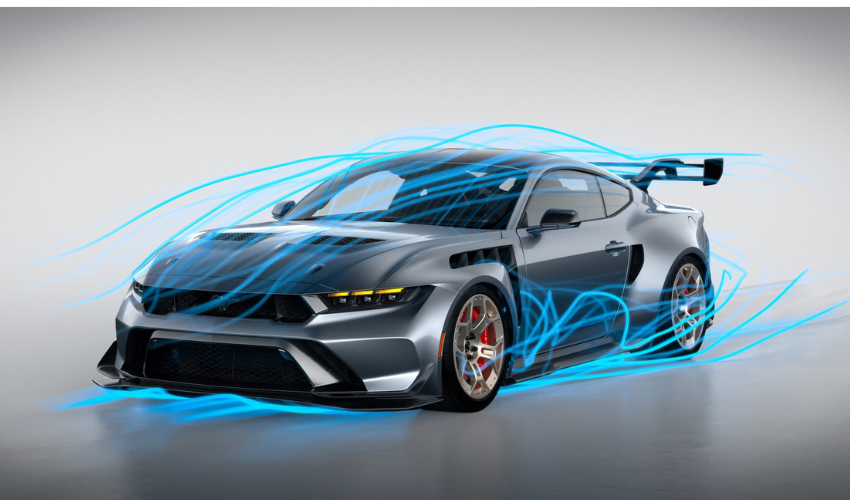
Ford has taken a major step forward in automotive performance with the launch of the 2025 Mustang GTD. The track-focused supercar, equipped with a supercharged 5.2L V8 and advanced carbon fiber bodywork, achieved a stunning 6:52.072 lap at Germany’s Nürburgring, beating every Ferrari on the circuit. The secret behind this leap in performance? Tiny 3D-printed “hood flicks” that were developed and installed during testing at the track.
The hood flicks, small raised pieces positioned around the vents on the car’s hood, subtly reshaped airflow to increase front-end downforce without adding drag. Chief Program Engineer Greg Goodall explained that these parts allowed the GTD to reach sub-seven-minute lap times, something that would have been very difficult without the on-the-fly 3D printing. The design process for the hood flicks was remarkably fast, with eight iterations tested in just a couple of weeks.

The use of 3D printing allowed Ford engineers to experiment with complex aerodynamic tweaks far later in development than would have been possible using traditional manufacturing. “We were able to design and test these parts at the track itself, which saved valuable time and let us optimize performance directly under real-world conditions,” said Goodall. The result is a car that blends raw American power with precision engineering and modern additive manufacturing.
More from the desk
Six other notes from the rest of the bench.
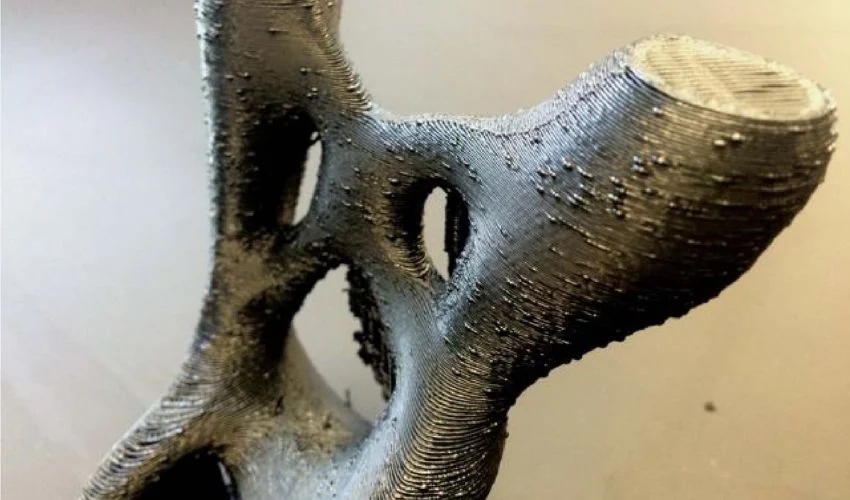 PrintersHow to Avoid Blobs in 3D Printing?3D printing, like any manufacturing process, has its advantages and disadvantages, and comes with its own set of constraints. Indeed, it’s not uncommon to encounter problems and obstacles when creating parts and structures of varying complexity. Examples include over-extrus
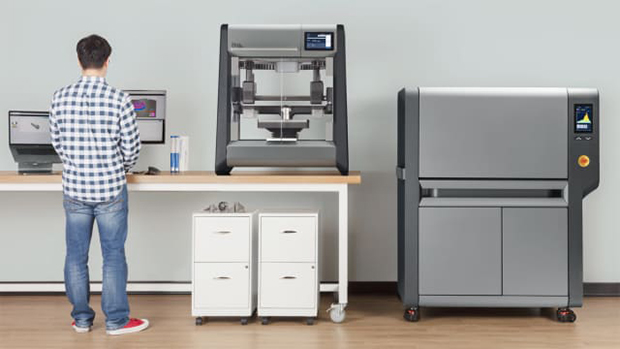 PrintersDesktop Metal announces new products to make 3D metal printing even more accessibleHold on to your breeches there folks because Desktop Metal, the Massachusetts based startup, has just announced their launch of two new game changing products: The DM Studio and DM production systems. After raising $97 million from an array of innovators,…
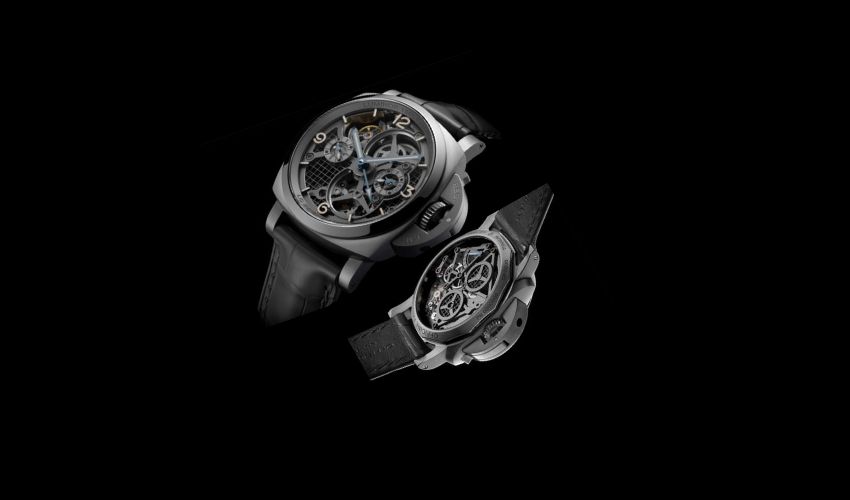 NewsThe Next Generation of Timepieces: Panerai’s 3D Printed Submersible WatchAdvancements within the watchmaking industry continue to captivate enthusiasts, pushing the boundaries of tradition and embracing technological innovations. Panerai, a company with a rich history dating back to 1860, showcased their commitment to embracing change at the recent Sa
 NewsTop 5 Videos: 3D Printing for Formula SAE Race Cars!We’re back with another Top 5 Videos related to the 3D printing industry, and as always, we have videos you don’t want to miss. First up, watch our exclusive interview with Kilometro Rosso and Polimarche Racing to learn how they’re…
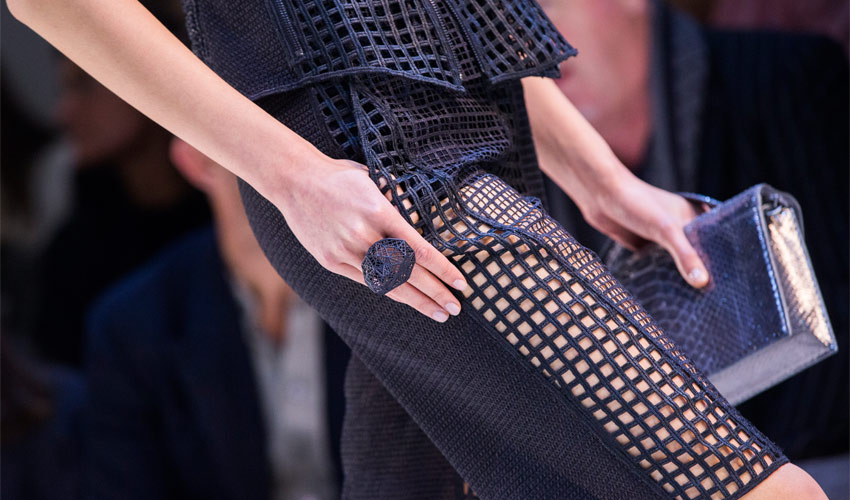 GuidesVOJD Studios combines 3D printing & craftsmanship of fashion & luxuryAdditive manufacturing allows for a high level of customisation, which is harder to achieve with traditional design methods. Some interesting advantages have especially show up in the medical sector. However also in jewellery and fashion, where end consumers are looking for tailo
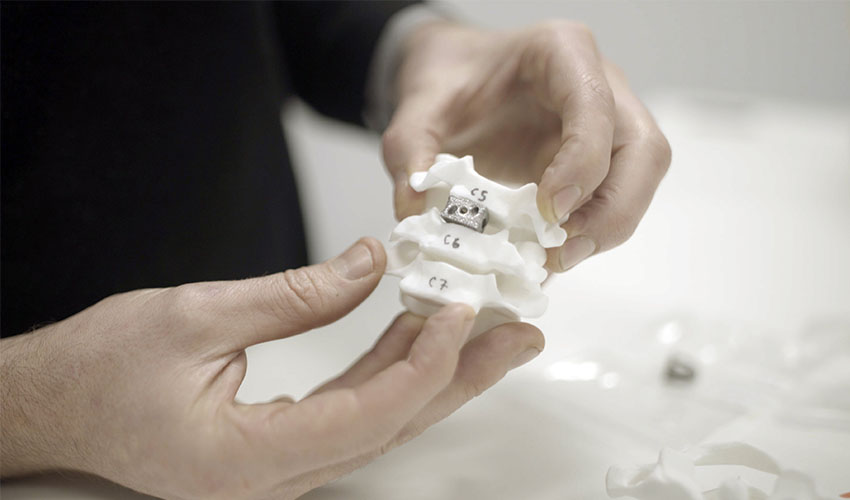 ApplicationsRenishaw partners with IMR and nTopology to 3D print spinal implantsRenishaw announced not too long ago that it will be collaborating with Irish Manufacturing Research (IMR) and nTopology to demonstrate the advantages of additive manufacturing in the production of spinal implants. This collaboration also aims to show how much more…