Materials
Scientists Eye 3D Printing for Next-Gen Flexible Batteries
3D printing has proven to be the perfect ally for a myriad of technologies. We’re increasingly witnessing a growing trend of 3D printing expanding into diverse fields with remarkable outcomes. Recent breakthroughs, such as the proposal by a team of…
- 3 min read
- Materials
- Six more stories
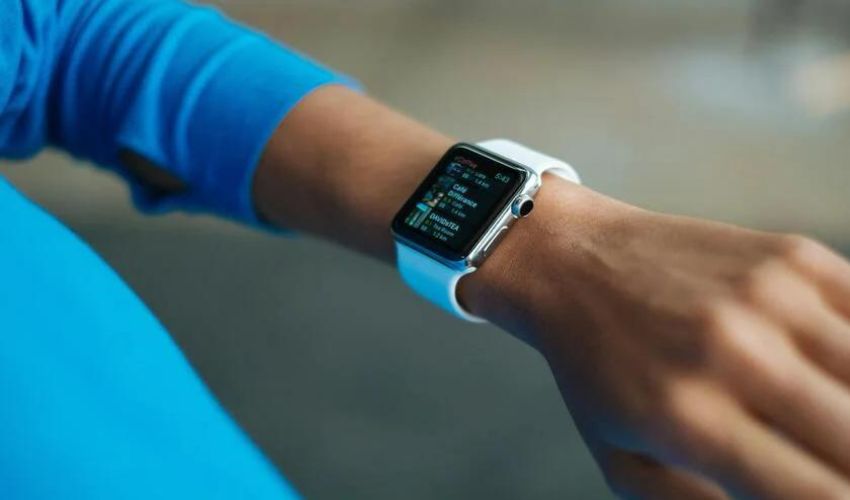
3D printing has proven to be the perfect ally for a myriad of technologies. We’re increasingly witnessing a growing trend of 3D printing expanding into diverse fields with remarkable outcomes. Recent breakthroughs, such as the proposal by a team of researchers from various Chinese universities to 3D print flexible batteries, exemplify this trend. Their scientific article sets the stage for future advancements in manufacturing, particularly in the realm of flexible electronics.
Since the inception of flexible batteries, the proliferation of wearable electronic devices has surged. From watches to foldable smartphones, smart clothing, and even medical implants, these batteries have found diverse applications. Their unique ability to bend and stretch without compromising functionality makes them ideal for devices with varied designs, seamlessly conforming to the contours of the human body. Just as flexible batteries have changed the technological landscape, so has 3D printing. Today, we’ll explore a groundbreaking collaboration among researchers from various universities in China, pioneering the fusion of additive manufacturing of flexible batteries.
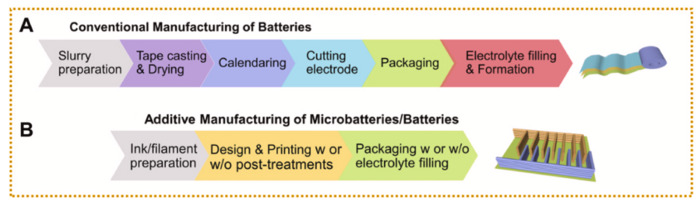
The concept of 3D printing flexible batteries holds promise, potentially streamlining the manufacturing process with fewer steps.Propuesta de impresión 3D de baterías flexibles. (Photo Credits: Journal of Power Sources)
Not So Flexible, Flexible Batteries
The conventional approach to manufacturing flexible batteries, known as “sludge coating,” involves combining cathodes, anodes, and electrolytes, which are the primary components of batteries. While effective, researchers note that this method falls short, leaving much to be desired in terms of customizing the battery’s architecture, configuration, and appearance.
More from the desk
Six other notes from the rest of the bench.
 SoftwareAstroPrint Allows You to Control the 3D Printing ProcessAstroprint is a software platform designed to help users to manage 3D printers It was launched in 2015, and is available through applications like Google Play and the Apple Store. It is open source, free and available on all operating…
 Printers3Dnatives Lab: Testing the ZMorph VX 3D PrinterOriginally from the RepRap world, the Polish manufacturer ZMorph launched itself on the 3D printer market in 2012. Over the years, the brand has made a name for itself with its multi-functional 3D printers. Its latest model, the ZMorph VX,…
 ApplicationsBuilding on the Moon: China’s 3D Printing MissionChina’s plans to use additive manufacturing to construct buildings on the moon are becoming a reality. The countries aim to begin testing this technology during its upcoming Chang’e 8 mission, set to take place in 2028, will reportedly include an…
 Applications350 Prosthetic Hands Donated to Ukrainian War VictimsThe war in Ukraine began on 24th February 2022 with the Russian invasion of the country. Since then, millions of lives have been affected and countless citizens and soldiers have suffered serious injury resulting in amputation. This is tragic, of…
 News3D Printed Runners for Hydropower Dams to be Developed by ORNLAccording to the Department of Energy (DOE), hydropower accounts for nearly 27% of utility-scale renewable electricity generation in the United States. A runner, the rotating part of a turbine that turns the energy of falling water into electricity, is key…
 NewsThe AIRLAB pavilion made from 3D printed steel nodes explores design freedomA number of designers and architects have been exploring 3D printing technologies in order to experiment with materials and structures. Yet another example is AIRLAB’s mesh-covered pavilion made from 3D printed steel nodes at Singapore’s Garden by the Bay. The…