Applications
3D Printed Lung Tissue Used to Analyze the Impact of Toxic Fumes on Humans
Throughout the day, we are surrounded by a variety of odors, some of which can be harmful to our health. Indeed, chemicals such as ammonia and chlorine can be particularly dangerous. The people most at risk are those who work…
- 3 min read
- Applications
- Six more stories
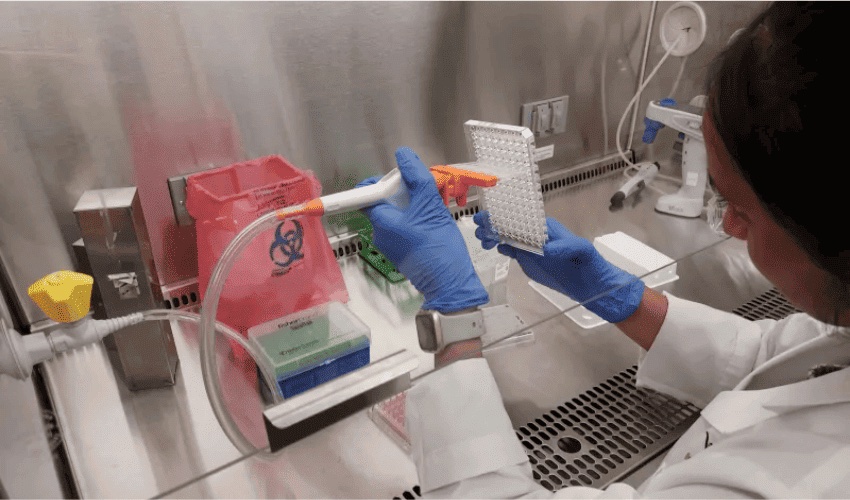
Throughout the day, we are surrounded by a variety of odors, some of which can be harmful to our health. Indeed, chemicals such as ammonia and chlorine can be particularly dangerous. The people most at risk are those who work in ports and factories, where incidents can occur. These two substances are still among the most widely transported in the USA in particular, making their management and handling delicate and potentially dangerous.
To better understand the hazards associated with certain chemicals, the Science & Technology Division of the U.S. Department of Homeland Security and its Chemical Safety Analysis Center (CSAM) have collaborated with the Wake Forest Institute for Regenerative Medicine (WFIRM). Together, they are working to reduce the effects of exposure to these substances. They have developed 3D-printed human lung cells and tissues on microchips to be used for in-depth studies on what is harmful to our health.
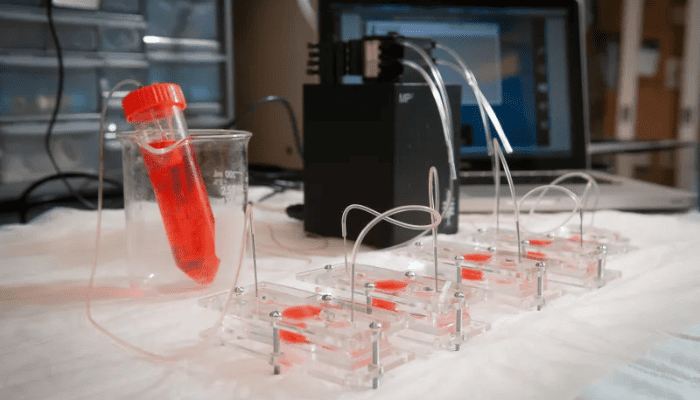
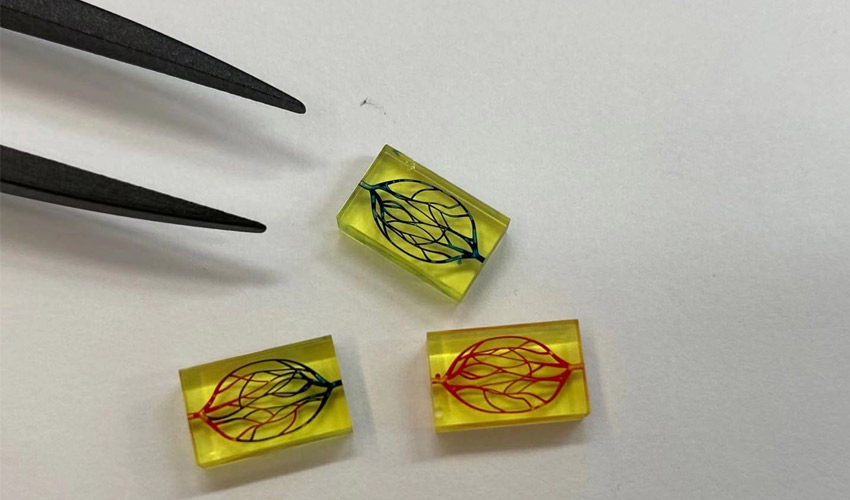
Multiple Organ-on-a-Chip slides that are being used for testing
3D Printing to Recreate and Study Lung Tissue
Theresa Pennington, project manager, emphasizes the importance of their research: “The Organ-on-a-Chip studies that we are conducting with our partners at the Wake Forest Institute are incredibly important.” Indeed, Wake Forest’s 3D printer for organic lung tissue marks a great advance on traditional methods.
More from the desk
Six other notes from the rest of the bench.
 NewsNadarra, the 3D Printed Wall of Sand on Display in DubaiWhen people think of materials for 3D printing, they primarily think of polymers, resins or even metals, which have been on the rise in recent years. But ceramics are also becoming increasingly popular and one must not forget about the…
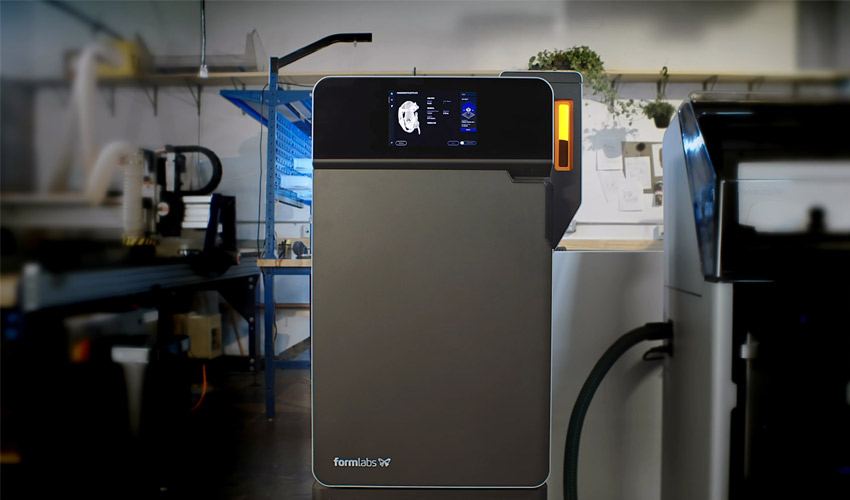 PrintersFormlabs reveals the Fuse 1 at our ADDITIV virtual eventDo you remember Formlabs’ announcement in June 2017? The 3D printing manufacturer, best known for its resin solutions, announced their intention to tackle the selective laser sintering (SLS) market with a desktop machine, the Fuse 1. After developing several prototypes,…
 NewsFollow All the Formnext 2022 News on 3Dnatives!Formnext, the international trade fair for additive manufacturing, is returning to Frankfurt from November 15th to 18th for its seventh year. This time around promises to be even richer in innovations and novelties! While the 2021 event brought together more…
 ApplicationsMedical Application of the Month: Discovering Micro 3D PrintingHow can micro 3D printing technology revolutionize the medical sector and advance research? Can it be used to create medical devices, treatments for various forms of disease, or even functional tissues and organs? Boston Micro Fabrication is asking itself all…
 NewsUSA Is Leading the Charge in Additive Manufacturing InnovationThe European Patent Office (EPO) has just published a new report on the 3D printing market, showing among other things, that the number of patent applications in the international market grew at an average annual rate of 26.3% between 2013…
 SoftwareSlic3r: A Free and Open-Source Slicer to Prepare 3D ModelsAmong the many different 3D printing software available, slicers serve as an intermediary between a 3D model and the 3D printer. More precisely, the slicer cuts a 3D model into a succession of layers that will be 3D printed by…