Software
Slic3r: A Free and Open-Source Slicer to Prepare 3D Models
Among the many different 3D printing software available, slicers serve as an intermediary between a 3D model and the 3D printer. More precisely, the slicer cuts a 3D model into a succession of layers that will be 3D printed by…
- 3 min read
- Software
- Six more stories
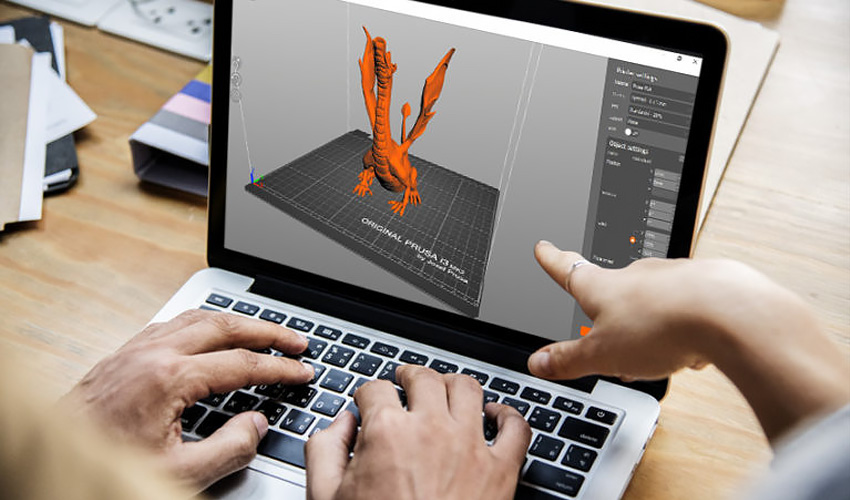
Among the many different 3D printing software available, slicers serve as an intermediary between a 3D model and the 3D printer. More precisely, the slicer cuts a 3D model into a succession of layers that will be 3D printed by the machine. The instructions to print these layers are converted into a special language called G-code, which a 3D printer can follow. Due to their importance, numerous slicers are available on the market, and cater to various levels of experience in additive manufacturing. However, today we will take a closer look at a well-known slicing solution: Slic3r.
Slic3r is open-source software independent of commercial companies or printer manufacturers. It was launched in 2011 as part of the RepRap community, led by Alessandro Ranellucci. It’s a non-profit project, so Slic3r can be downloaded free of charge from the official website or Github. Version 1.3.0 is currently available, after 48 different official versions! It is compatible with the main file formats on the market – STL, AMF and OBJ – and easily generates G-code or SVG files. It’s a particularly popular slicer, used on many machines: UltiMaker, Prusa Mendel, MendelMax, TAZ, Rostock, etc.
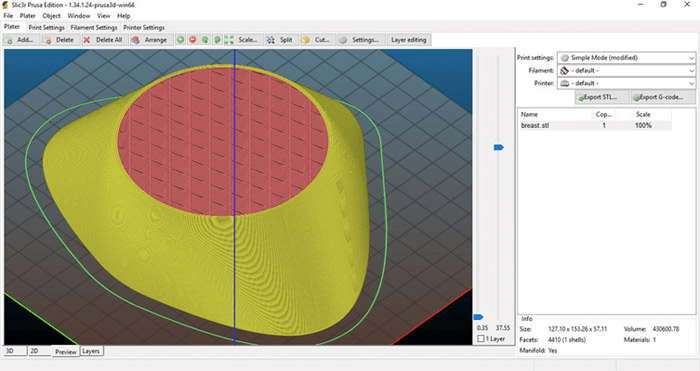
Photo Credit: Slic3r
First Steps
The first step is to download the software – it is compatible with Windows, Mac OS X and Linux. Windows users can choose between 32- and 64-bit versions adapted to their system. After downloading, simply install Slic3r. Before the first print, it’s essential that the 3D machine is properly calibrated, as the software and, ultimately, the print quality depend on it. If, for example, the extrusion speed is not set correctly, the machine will not produce the quantity of filament that has been determined, resulting in 3D printing problems.
More from the desk
Six other notes from the rest of the bench.
 ApplicationsASTRO America to 3D Print Combat Vehicle Hull for U.S. ArmyOn Tuesday, the Applied Science & Technology Research Organization, also known as ASTRO America, announced that it had been chosen by the U.S. Army for the “Jointless Hull Project”. Contracted through LIFT, the Department of Defense supported manufacturing innovation institut
 Materials3D Printing Can Be Done With Soil and Seeds3D printing in housing is usually done with concrete materials, but this produces homes which, while well-insulated, can be sometimes expensive and with interior temperatures which are difficult to regulate. Furthermore, concrete is not a particularly environmentally friendly mat
 ApplicationsThe First 3D Printed Unmanned Ship Prototype, ‘Hydra’, Unveiled in UAEAl Seer Marine is a marine equipment manufacturer based in Abu Dhabi, United Arab Emirates. A recent development sees the company turn to 3D printing with Hydra, a 3D printed unmanned surface vessel (USV). This drone ship is currently only…
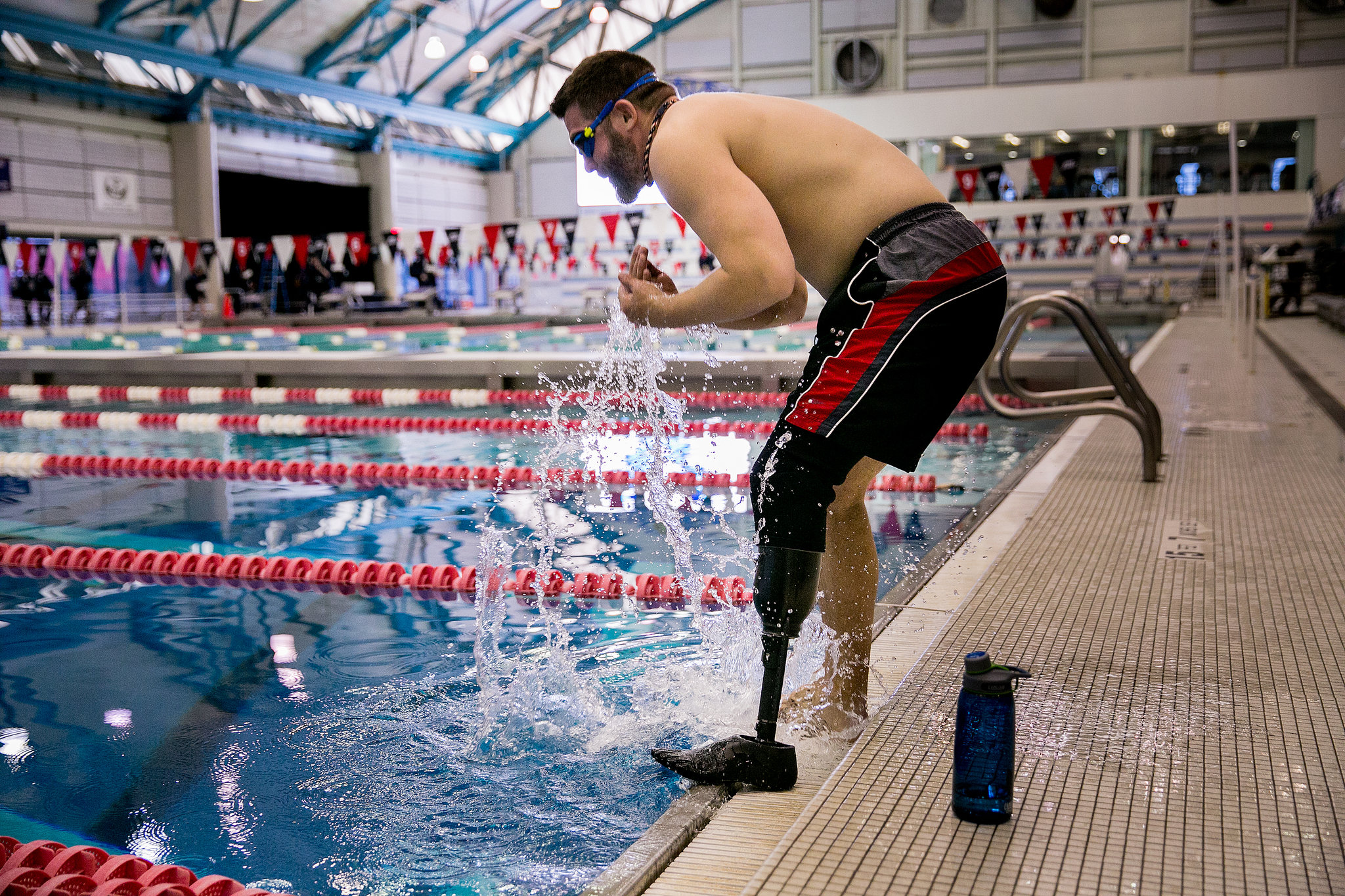 ApplicationsA new innovation in the 3D printing of ProstheticsAnother breakthrough in 3D printing, Northwell Healthcare has announced one of the first 3D printed land to water prosthetics called “The Fin”. This device offers amputees more ease when performing athletic activities, giving them the ability to take part in…
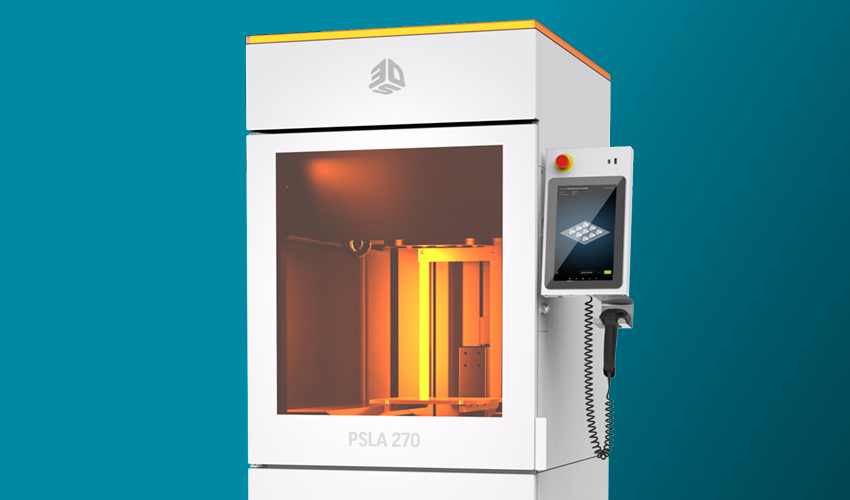 PrintersNew PSLA 270 from 3D Systems Combines Projection Technology Speed with SLA QualityUntil now, there has been no solution in the additive manufacturing market that meets the requirements of high productivity, injection molded quality high resolution, long-lasting durability and part size. In response to this demand, 3D Systems has unveiled a new…
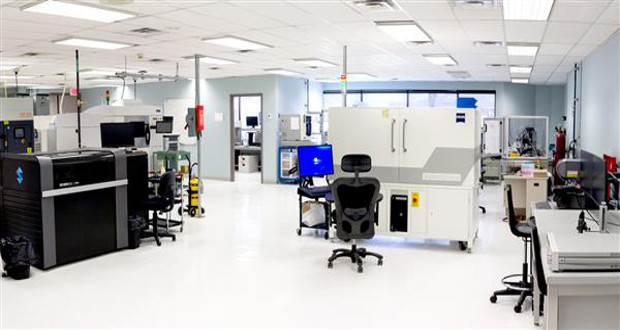 News$27 million investment for an AM labThe University of Waterloo in Ontario, Canada is leading the way for educational institutions with their latest investment in 3D printing technology. On Wednesday May 24, the Federal Economic Development Agency for Southern Ontario (FedDev) announced their investment of $8.9 mill