Applications
Medical Application of the Month: Discovering Micro 3D Printing
How can micro 3D printing technology revolutionize the medical sector and advance research? Can it be used to create medical devices, treatments for various forms of disease, or even functional tissues and organs? Boston Micro Fabrication is asking itself all…
- 3 min read
- Applications
- Six more stories
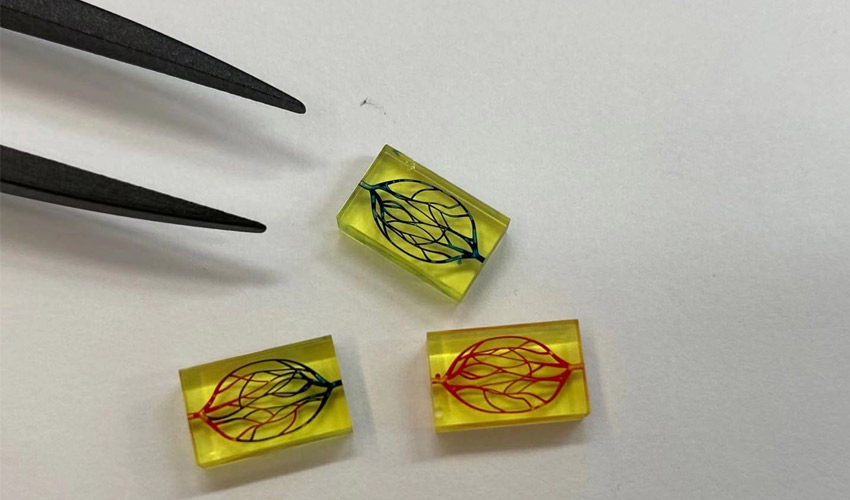
How can micro 3D printing technology revolutionize the medical sector and advance research? Can it be used to create medical devices, treatments for various forms of disease, or even functional tissues and organs? Boston Micro Fabrication is asking itself all these questions and has joined a program led by the University of Nottingham, specifically its Center for Additive Manufacturing. The “Dial Up” project is funded by an EPSRC grant and aims to “standardize 3D printing in medical technology and life science applications.” BMF’s micro-printing technology is currently being used to develop various medical applications: intestinal patches to combat certain chronic diseases, microstructures to control cell phenotype, etc.
The benefits of additive manufacturing for the medical sector need no further introduction. Healthcare professionals are increasingly interested in this technology, which enables them to develop tailor-made devices and improve their tools or even their surgical training aids, for example. Depending on the technology used, it also enables high levels of precision and resolution, mimicking a micro-injection molded part. This is one of the added values of Boston Micro Fabrication’s micro-stereolithography technology. It offers microprinting solutions that are repeatable, precise and accurate – resolution can reach 2 microns. By relying on its 3D printers, it is possible to achieve very fine features and complex geometries, often sought-after in a sector as demanding as healthcare.
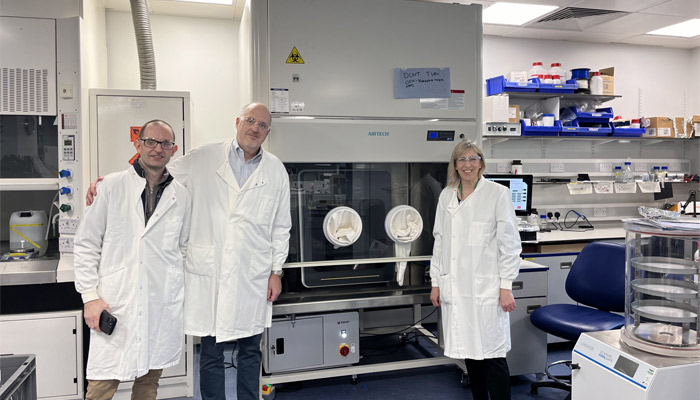
Professors Ricky Wildman and Felicity Rose from the University of Nottingham’s Biodiscovery Institute with BMF’s CEO John Kawola
In this context, the Dial Up project tests BMF’s micro-printing process and develops several concrete applications for the medical sector. The first concern is intestinal diseases: the aim is to create a patch capable of regenerating inflamed intestinal tissue. The patch is to be placed inside the patient’s body and must, therefore, be non-intrusive. In addition, the materials used must have suitable characteristics for the body’s own cells. These constraints cannot be overcome by all printing technologies.
More from the desk
Six other notes from the rest of the bench.
 ApplicationsPOLARIS Spaceplanes Tests a 3D Printed Aerospike Rocket EngineGerman aerospace start-up POLARIS Spaceplanes, based in Bremen, has achieved a key milestone by successfully testing a 3D printed Aerospike rocket engine. This achievement highlights the growing importance of 3D printing technology in the aerospace sector. During the tests, the&h
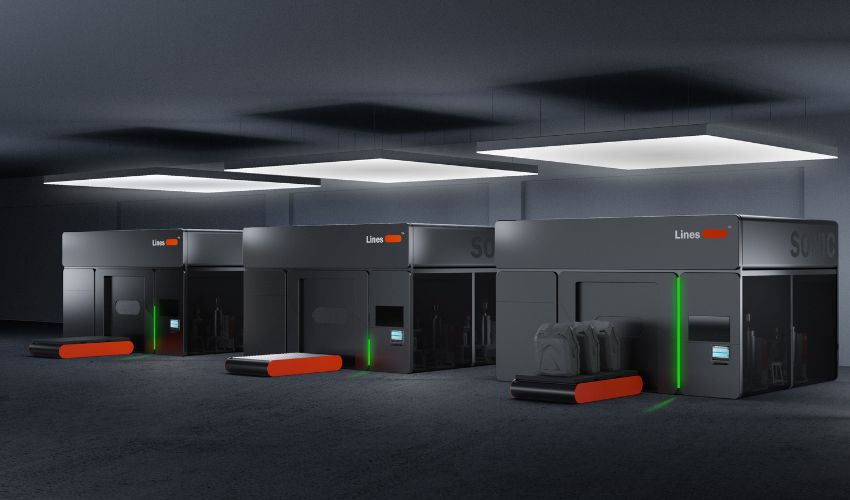 NewsLines Manufacturing Is Combining Large Format and High Speed in Its Industrial 3D PrinterFounded in 2019, French start-up Lines Manufacturing intends to make its mark on the large-format additive manufacturing market with its Lines SONIC solution. The special feature of this FGF machine is the printing speed it can achieve, even on large…
 NewsWEBINAR: Precision 3D Printing in FDM – How to Overcome the Challenges of High Accuracy PrintsThough there are a number of different technologies that are available today for additive manufacturing, some of the most popular go back to the very beginning. One notable example is Fused Deposition Modeling (FDM), which could be considered the second…
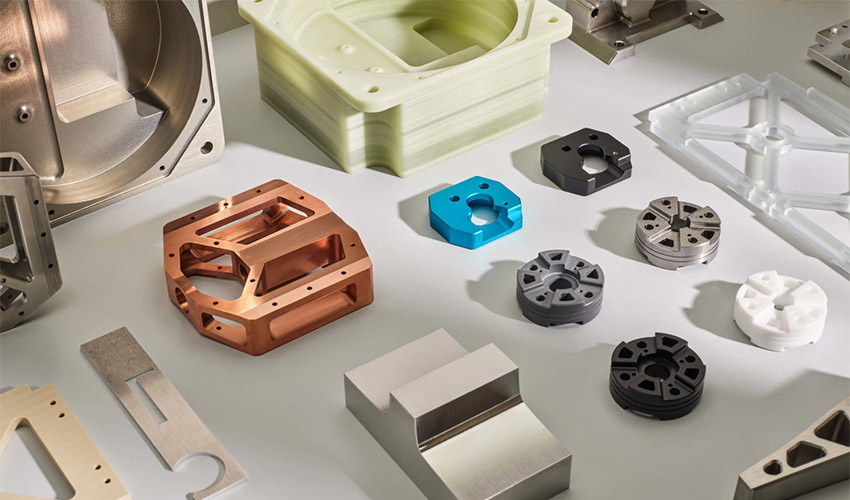 NewsHubs and its Online Manufacturing Platform at Formnext 2019To enable additive manufacturing users to get instant quotes and produce parts quickly, Hubs, formerly 3DHubs, offers an online manufacturing platform where it is possible to connect with professionals. Through a network of highly qualified manufacturing partners, the company con
 GuidesBeyond Recruiter Buzzwords: How 20 Years in Additive Manufacturing Shapes Modern HiringIf you’ve been following 3Dnatives, you’ve probably come across Gil Lavi before. We first profiled him and his company, 3D Alliances, back in 2019, and again in 2024 when 3D Alliances launched IMPACT, a program to help additive manufacturing companies optimize their channel netwo
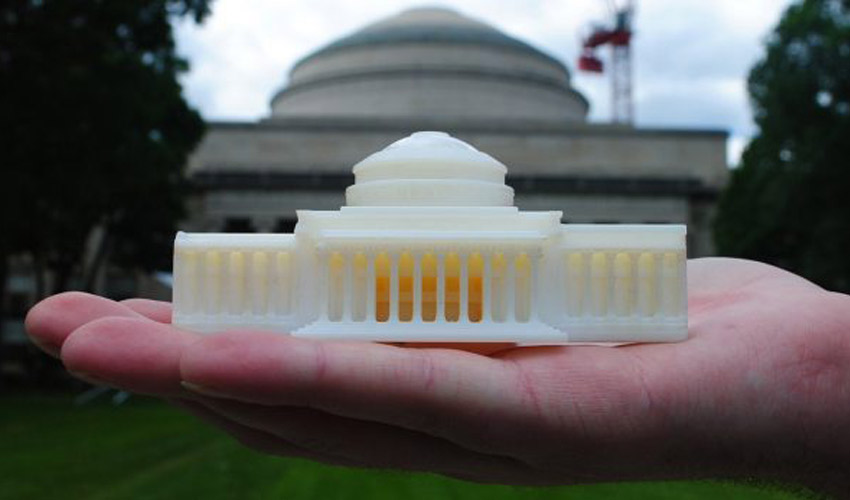 NewsMIT launches ADAPT; A consortium dedicated to additive manufacturingThe American research institute MIT announced the creation of a consortium dedicated to additive manufacturing called ADAPT (for Additive and Digital Advanced Production Technologies). The goal of this business association is to identify visionary research, scalable education pla