News
Ford and EOS develop high security 3D printed locking wheel nuts
About a year ago, Ford had produced what they claim to be the largest automotive 3D printed part in history. Their additively manufactured aluminium intake manifold was installed in the Hoonitruck, a 1977 Ford F-150 with a twin-turbo 3.5-litre V6…
- 3 min read
- News
- Six more stories
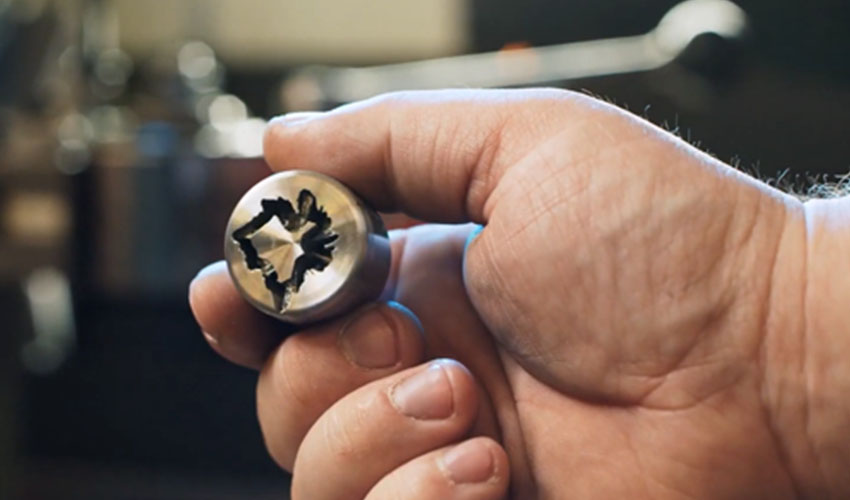
About a year ago, Ford had produced what they claim to be the largest automotive 3D printed part in history. Their additively manufactured aluminium intake manifold was installed in the Hoonitruck, a 1977 Ford F-150 with a twin-turbo 3.5-litre V6 EcoBoost engine owned by Ken Block, star of popular YouTube series, Gymkhana. More recently, the car manufacturer partnered with leading 3D printing manufacturer EOS to create unique 3D printed locking wheel nuts that will prevent wheel and tire thefts.
These are not any locking wheel nuts. In fact, they are made using a unique biometric signature based on the car owner’s recorded voice. Just like some systems will use biometric identification based on fingerprints or iris scan, recording the voice of the driver can be used to create a completely unique design. Engineers record the voice of the driver and then use software to convert the soundwaves into a pattern that can be 3D printed on the locking nut. The nut and key are designed as a single piece and 3D printed using acid and corrosion-resistant stainless steel. Later, they are separated and ready for use after a small amount of finishing.
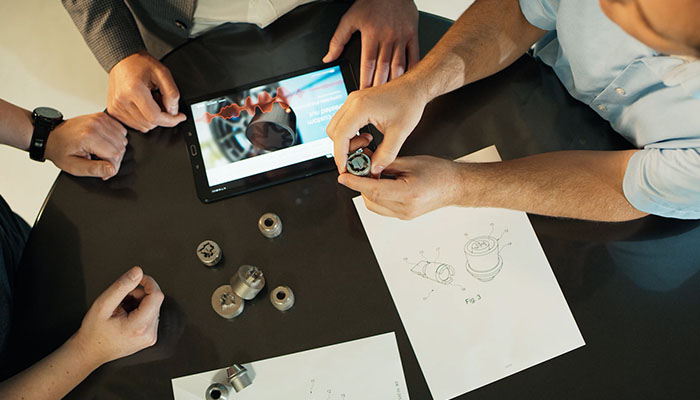
The nut and key are 3D printed as a single piece using stainless steel | Credits: Ford Motor Co.
“Some alloy wheels can cost thousands to replace, but these unique rim nuts will stop thieves in their tracks. Making wheels more secure and offering more product personalization are further proof that 3D printing is a game-changer for car production,” commented Raphael Koch, Research Engineer for Advanced Materials and Processes at Ford.
More from the desk
Six other notes from the rest of the bench.
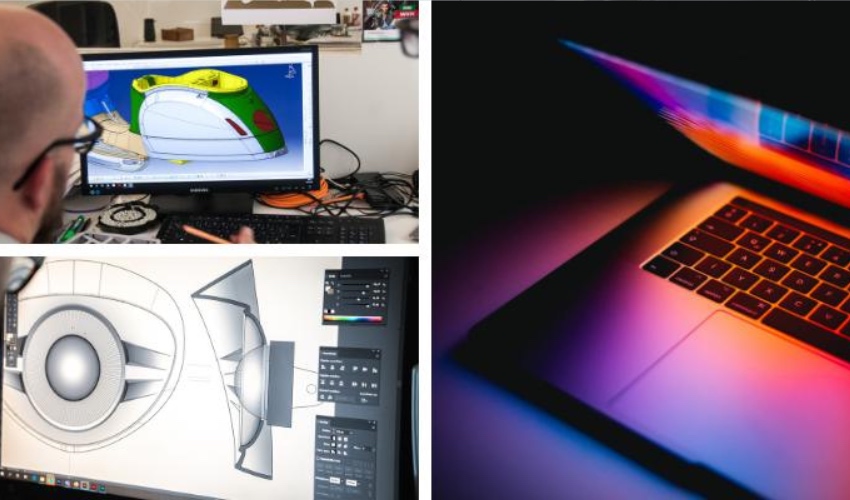 SoftwareHow to Choose the Best Computer for 3D Modeling and CADCAD, or computer-aided design, is the process of creating, modifying and optimizing designs using specialized software. It is widely used in a number of industries, including architecture, engineering, manufacturing (including additive manufacturing) and entertainment. CAD softwa
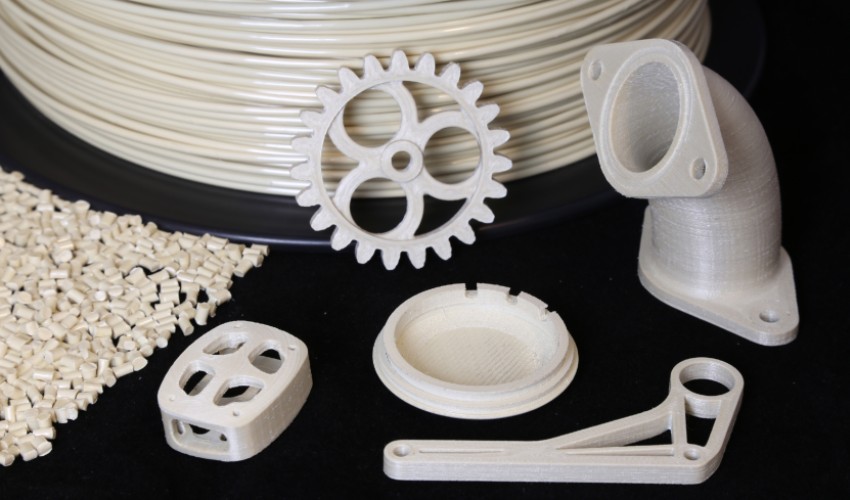 MaterialsHigh-Performance Liquid Crystal Polymers from NematX are 10x Stronger than PEEKGiven the many advantages plastics offer, such as a lower cost, versatility and water resistance, they are popular materials in additive manufacturing. They can be used as filament for FDM printing, powder for SLS printing, or resin for SLA printing.…
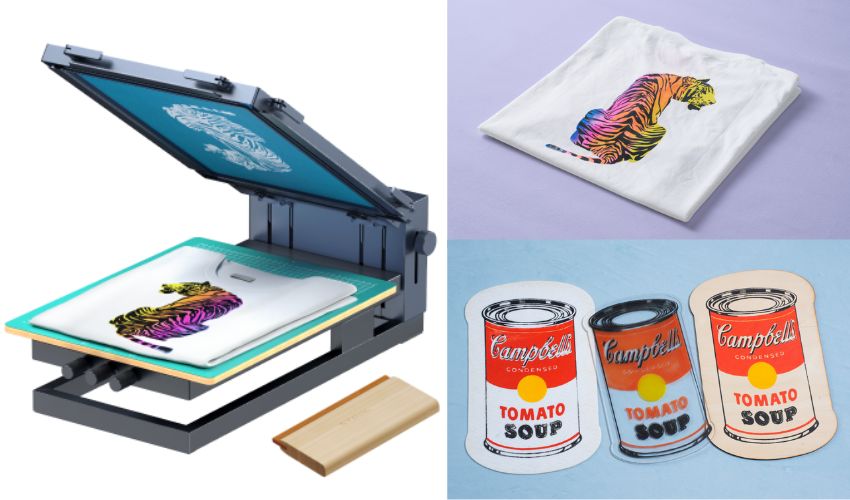 NewsxTool Screen Printer Accelerates Screen Printing With Laser EngravingScreen printing is a centuries-old technique that is appreciated by artists and hobbyists alike. Famous pop artists such as Andy Warhol and Roy Lichtenstein used screen printing to create and reproduce their unique works. Warhol’s famous “Shot Sage Blue Marilyn”
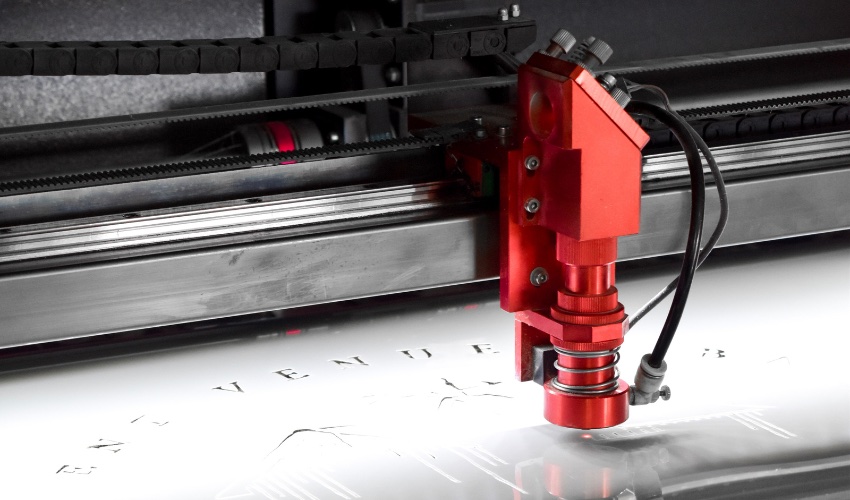 GuidesThe Top Laser Cutters Available in 2022A CO2 laser cutter, unlike a diode laser, is primarily used to cut a material. While the latter relies on a diode with a light power of less than 10 watts, the CO2 laser is capable of reaching a power…
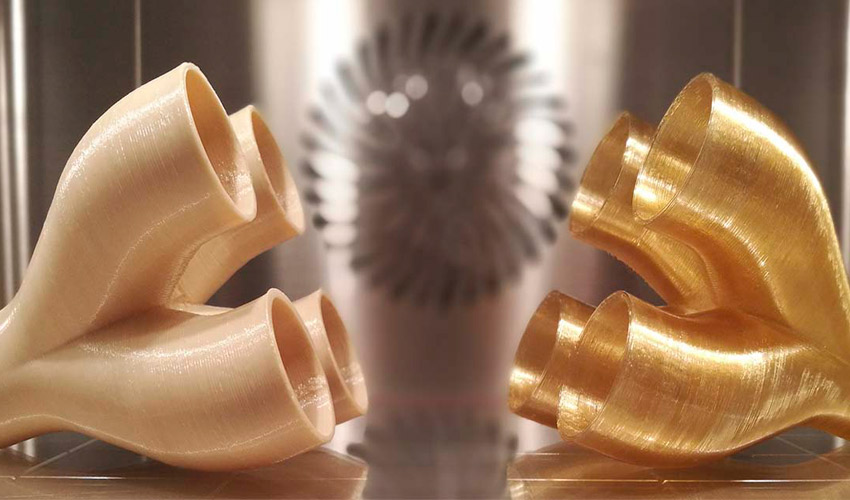 MaterialsThe High-Performance Polymer Market: An Opportunity for 3D Printing?Research and Markets recently released its latest report on the Global High-Performance Materials in Additive Manufacturing Market. Entitled ‘The Global 3D Printing High-Performance Plastic Market’, it analyzes the place and evolution of high-performance polymers such
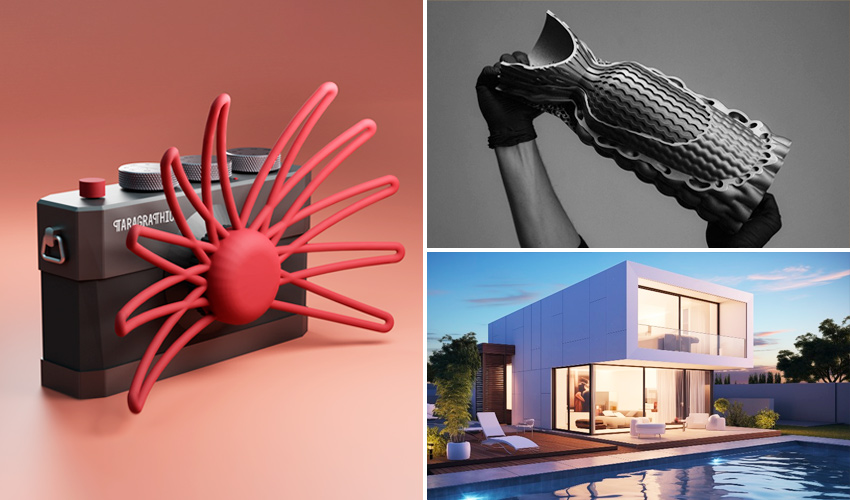 GuidesThe Top Projects Combining AI and 3D PrintingWhen it comes to innovative technologies, artificial intelligence and 3D printing are always at the top of the list. Both of these so-called “disruptive” technologies have the potential to completely reinvent the way we manufacture in numerous industries. But what…