Materials
High-Performance Liquid Crystal Polymers from NematX are 10x Stronger than PEEK
Given the many advantages plastics offer, such as a lower cost, versatility and water resistance, they are popular materials in additive manufacturing. They can be used as filament for FDM printing, powder for SLS printing, or resin for SLA printing.…
- 3 min read
- Materials
- Six more stories
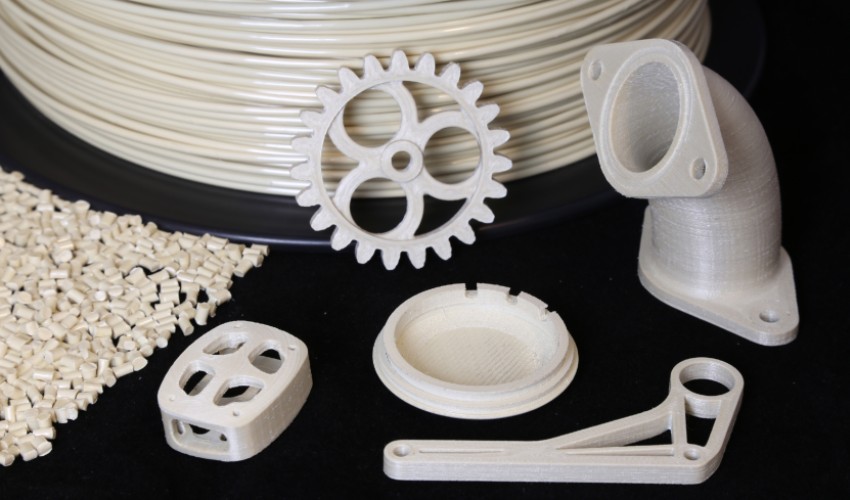
Given the many advantages plastics offer, such as a lower cost, versatility and water resistance, they are popular materials in additive manufacturing. They can be used as filament for FDM printing, powder for SLS printing, or resin for SLA printing. However, their biggest application so far has been for prototyping. To ensure that your application goes beyond prototype development, companies are striving to develop high-performance plastics that are also suitable for manufacturing end-use parts. One of the players in this field is NematX, a startup founded in 2020.
NematX is a Swiss company specializing in the development of filaments made from high-performance plastics. In doing so, they are reinventing filament development through the use of liquid crystal polymers. By using liquid crystal polymers, the filaments are said to be 10 times stronger than PEEK and can withstand temperatures of over 250°C. These properties make them suitable for the production of end-use parts for aerospace, medical and special industrial applications. With their “Nematic 3D printing” technology, the company even managed to emerge as one of the winners of the Startup Challenge at Formnext Connect. We met with Silvan Gantenbein, the inventor of the technology as well as the CTO and co-founder of NematX, for an interview.
3DN: Can you introduce yourself and your connection to additive manufacturing?

Silvan Gantenbein
NematX specializes in a new class of high-performance plastics for additive manufacturing. We are a spin-off of ETH Zurich and are the first company to make liquid crystal polymers that are accessible for 3D printing. Until now, this class of materials has mainly been used in the electronics sector and in the form of high-strength fibers. Our goal is to use the outstanding properties of this class of materials for additive manufacturing and to improve them further.
More from the desk
Six other notes from the rest of the bench.
 ApplicationsMexican students develop 3D breast prosthesesThis year alone in the United States will more than 266,000 women be diagnosed with breast cancer. This disease is the one that attacks most women in the world, and often leads to a mastectomy. This process can be painful and difficult,…
 NewsETH Zurich Will Use Robots to Make a 3D Printed Cultural SiteETH (Swiss Federal Institute of Technology) Zurich is very active in the field of additive manufacturing. This is shown not only by the numerous partnerships but also by the long list of spin-offs, among which some companies, such as 9T…
 GuidesElementum 3D on Materials and Expansion in Metal Additive ManufacturingOne of the many considerations in 3D printing is what materials should be used for the printing process. Though still limited, 3D printing materials have expanded in recent years. Going from traditional materials like plastics and polymers, like PEEK and…
 NewsTop 5: Markforged’s 3D Printed Movie PropsHello and welcome to our first Top 5 videos of 2023. We have a selection of exciting videos for you this week, from Markforged’s parts made for film, to Shining 3D and their scanning settings. There is also a video…
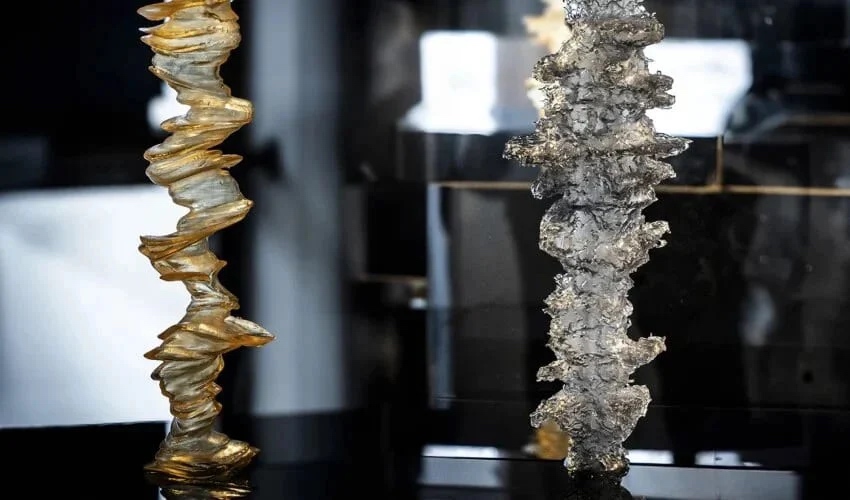 NewsFrozen Music: Transforming Melodies Into 3D SculpturesThe “Frozen Music” project is pushing the boundaries of artistic creation by transforming music into 3D-printed sculptures. This collaboration between the Gävle Symphony Orchestra, Austrian designer Julia Körner and curator Andreas Vierziger offers a unique sensory ex
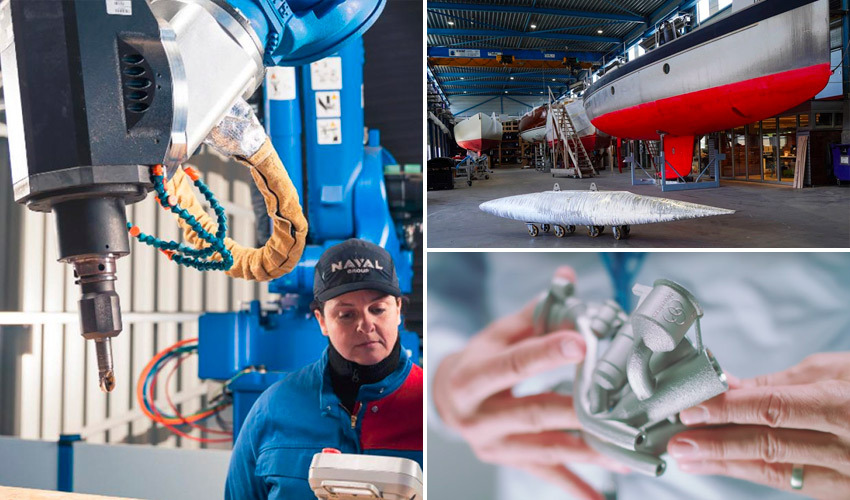 GuidesTaking a Closer Look at 3D Printing Applications in the Maritime SectorIt is common knowledge that additive manufacturing is helping the conquest of space, but did you know it can also be found in our oceans? From 3D printed boat propellers to submarine parts and metal keels, the applications of 3D…